Tianyi Sensor IOT Technology Co., Ltd
Sales Manager:Ms. Emily Wang
Cel,Whatsapp,Wechat:+86 15898932201
Email:info@fengtutec.com
Add:No. 155 Optoelectronic Industry Accelerator, Gaoxin District, Weifang, Shandong, China


Sales Manager:Ms. Emily Wang
Cel,Whatsapp,Wechat:+86 15898932201
Email:info@fengtutec.com
Add:No. 155 Optoelectronic Industry Accelerator, Gaoxin District, Weifang, Shandong, China
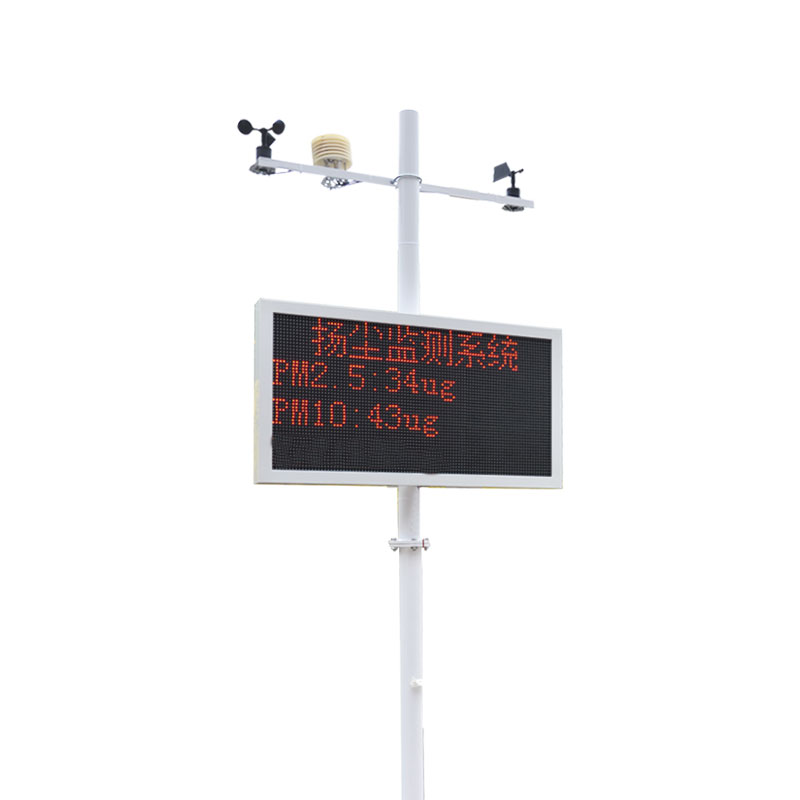
Model:FT-YC02
Brand:tianyi
Dust Monitoring Equipment is used to measure dust, fumes, mist, smoke, condensation and fog and is ideal for dust monitoring applications.In order to improve air quality, our company uses wireless sensor technology and laser dust testing equipment, Dust Monitoring Equipment independently developed , in addition to achieving dust monitoring, can also monitor environmental factors such as PM2.5, PM10, PM1.0, TSP, noise, ambient temperature, environmental humidity, wind speed, wind direction, etc.The test data of each test point is directly uploaded to the monitoring backend through wireless communication, greatly saving the monitoring costs of the environmental protection department and improving monitoring efficiency.
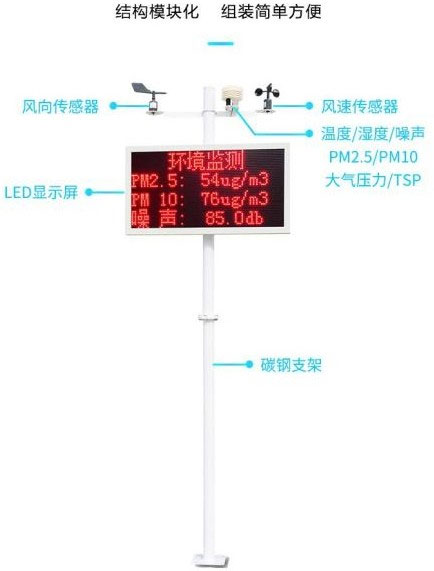
Dust Monitoring Equipment Application Industry:
It is mainly suitable for construction sites, demolition sites, coal mines, industrial parks, communities, urban environments, residential communities, etc.
Dust Monitoring Equipment Technical Parameters:
1.PM range: 0~1000ug/m3, resolution: 1ug/m3, accuracy: ±10%F·S;
Air temperature sensor range: -40~70℃, resolution: 0.1℃, accuracy: ±0.2℃;
Air humidity sensor range: 0~100%, resolution: 0.1%, accuracy: ±3%;
Wind speed sensor range: 0~60m/s, resolution: 0.1m/s Accuracy: ±0.3m/s;
Wind direction sensor range: 8 azimuth;
Noise sensor range: 30~130db, resolution: 0.1db Accuracy: ± 0.5% F·S
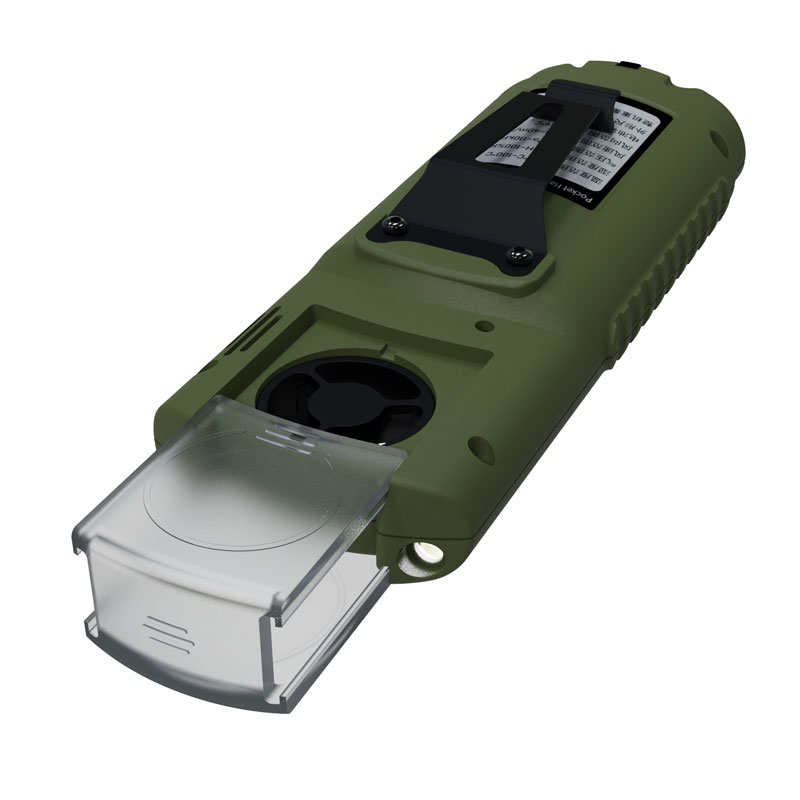
2.The Pm measurement adopts the principle of laser scattering, uses a fan as the power, and has a built-in insect-proof net, so that data measurement will not be inaccurate due to small insects.
3.The equipment has 1-channel louver box (temperature, humidity, noise, PM2.5, PM10, air pressure) collection, 1-channel wind speed collection, and 1-channel wind direction collection.
4.Supports secondary development, including networking modules, default GPRS upload, and can connect to government project platforms in various regions for free (4G upload method can be changed), and defaults to 1 standard modbus output.
5.The default is to have one relay output, and the Pm2.5 exceeds the limit and can automatically associate the fog cannon for on-site dust reduction control;
6.The LED screen display header can be changed at any time and anywhere, and the header can be changed through the configuration APP and software side;
7.The LED large screen size is 54cm*102cm, and can be displayed in three lines or four lines and can be changed at will;
8.Optional on-site sound and lightning alarm, waterproof tank, lightning arrester
9.Simple and convenient installation, fool-style installation
Based on the principle of aerosol forward scattering, the instrument calculates the extinction coefficient and then derives the visibility value by measuring the intensity of infrared light scattered by atmospheric particles. It has a range of 10km, is equipped with dual power supply (battery...
A meteorological observation station is a facility used to monitor and record meteorological information. It collects data on weather conditions through various instruments and equipment, providing important basis for weather forecasting, climate research and disaster warning.As a professional facil...
In the cold winter, transmission lines often face severe challenges of icing. When conditions such as low temperature, high humidity, and specific wind speed occur simultaneously, the phenomenon of icing on transmission lines is likely to form. Line icing not only increases the mechanical load on co...
Water quality monitor system for drink water is a water quality analysis device that integrates multidisciplinary technologies such as sensor technology, automatic control, and data communication. Its core monitoring parameters include residual chlorine, pH, water temperature, turbidity, and conductivity. This device is widely used for online continuous monitoring of water quality in various scenarios, including urban and rural water treatment plants, water distribution networks, secondary water supply systems, end-user points, indoor swimming pools, large-scale water purification equipment, and direct drinking water projects....


 Get a Free Quote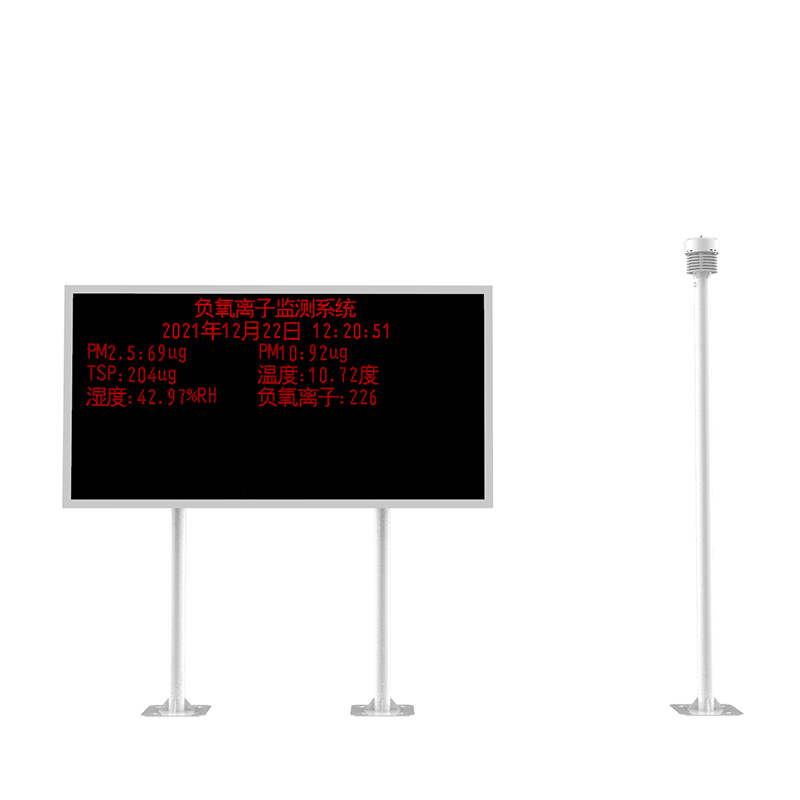
 Skype
Skype
 whatsapp
 mail
mail