Tianyi Sensor IOT Technology Co., Ltd
Sales Manager:Ms. Emily Wang
Cel,Whatsapp,Wechat:+86 15898932201
Email:info@fengtutec.com
Add:No. 155 Optoelectronic Industry Accelerator, Gaoxin District, Weifang, Shandong, China


Sales Manager:Ms. Emily Wang
Cel,Whatsapp,Wechat:+86 15898932201
Email:info@fengtutec.com
Add:No. 155 Optoelectronic Industry Accelerator, Gaoxin District, Weifang, Shandong, China
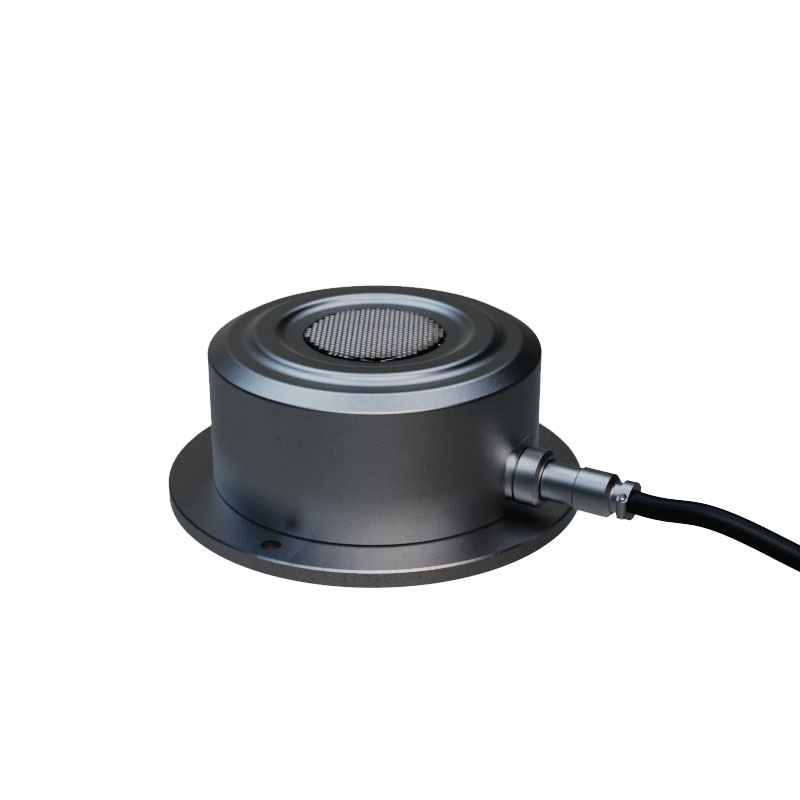
Model:FT-XL2
Brand:tianyi
1.Ultrasonic Snow Depth Sensor Product Introduction
Ultrasonic Snow Depth Sensor is an advanced digital ultrasonic device that sends ultrasonic waves to the snow surface, providing continuous, accurate snow accumulation measurements.Ultrasonic Snow Depth Sensor is a sensor that uses ultrasonic technology to detect distances on snow surfaces.The sensor adopts an integrated capacitive electrostatic transducer probe design, with high sensitivity, strong anti-interference ability and high accuracy.
2.Ultrasonic Snow Depth Sensor Technical Indicators
Power supply: DC12V
Working environment: -40-60℃, humidity ≤100% without condensation
Communication interface: RS485
Operating current: 18mA DC12V
Minimum data interval: 0.2S
Housing material: aluminum alloy material
Range: 0-2000mm
Measurement resolution: 1mm
Accuracy: 1mm±0.2%
3.Ultrasonic Snow Depth Sensor Product Size Diagram
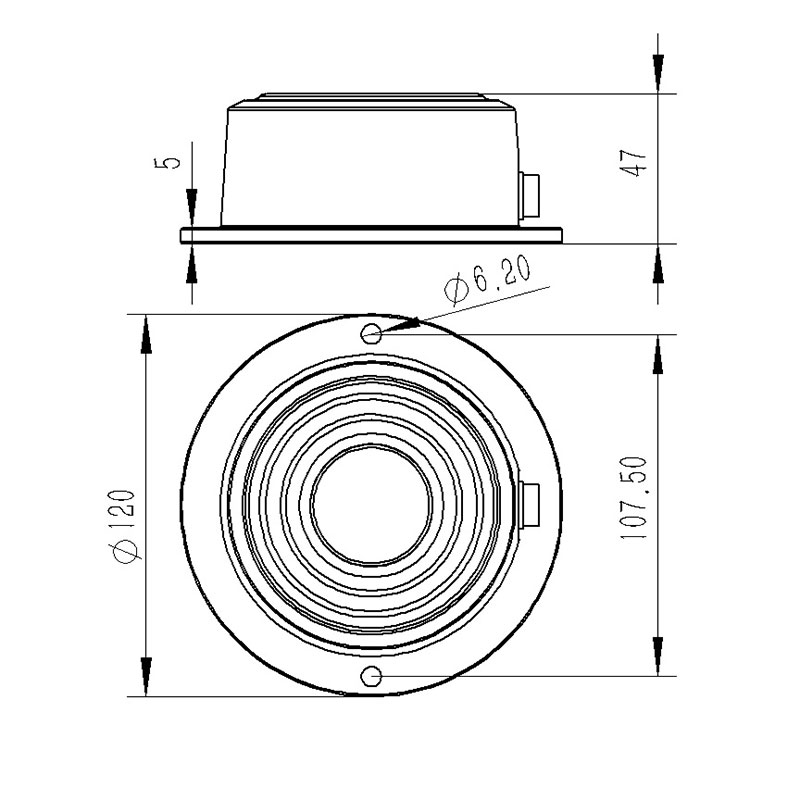
4.Ultrasonic Snow Depth Sensor products
The equipment installation location should be open
The equipment installation cross arm should be guaranteed to be at least 1M
There should be no obstruction above the device
The distance from the equipment to the ground level should be within 20cm-200cm.In order to ensure measurement accuracy, the recommended distance is 100cm.
The equipment installation bracket should be kept horizontal.It is best to treat the reflective ground of the sensor horizontally.The reflection point should be within a radius of 1 meter.The weed interference should be avoided.
Why Does Wind Power Generation Easily Encounter Icing Issues?First, wind farms are mostly located in areas with abundant wind resources such as mountains and coastal regions, where harsh climatic conditions (high humidity, low temperatures) easily lead to weather phenomena like clouds, fog, and free...
The Negative Oxygen Ion Monitoring Station features comprehensive multi-factor monitoring capabilities. It can conduct real-time monitoring of multiple environmental factors simultaneously and flexibly add or remove monitoring items according to actual usage needs, so as to adapt to monitoring requi...
People have been measuring the wind for a long time, and the tools for wind measurement have been constantly upgraded. In the 15th century, Leonardo da Vinci designed a vane anemometer, marking the beginning of the era of scientific wind measurement. In 1846, Thomas Romney Robinson, a British naval...
Radar rain detector is a precipitation measurement instrument that uses 24GHz Doppler radar technology. It identifies rain, snow, and hail types and measures rainfall intensity by analyzing the falling velocity and particle size of precipitation particles. Unaffected by foliage cover, it offers sensitive and rapid detection and is widely used in meteorology, hydrology, environmental protection, and flood control....


 Get a Free Quote
 Skype
Skype
 whatsapp
 mail
mail