Tianyi Sensor IOT Technology Co., Ltd
Sales Manager:Ms. Emily Wang
Cel,Whatsapp,Wechat:+86 15898932201
Email:info@fengtutec.com
Add:No. 155 Optoelectronic Industry Accelerator, Gaoxin District, Weifang, Shandong, China


Sales Manager:Ms. Emily Wang
Cel,Whatsapp,Wechat:+86 15898932201
Email:info@fengtutec.com
Add:No. 155 Optoelectronic Industry Accelerator, Gaoxin District, Weifang, Shandong, China
time:2025-12-16 11:02:19 source:Weather Station viewed:432 time
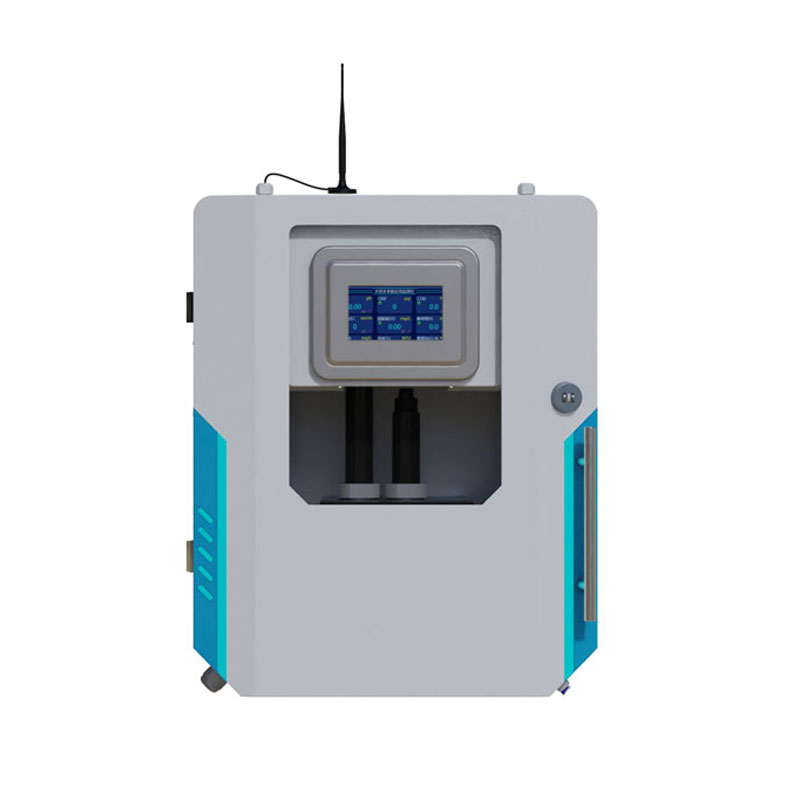
Water quality monitor system for drink water is a water quality analysis device that integrates multidisciplinary technologies such as sensor technology, automatic control, and data communication. Its core monitoring parameters include residual chlorine, pH, water temperature, turbidity, and conductivity. This device is widely used for online continuous monitoring of water quality in various scenarios, including urban and rural water treatment plants, water distribution networks, secondary water supply systems, end-user points, indoor swimming pools, large-scale water purification equipment, and direct drinking water projects.
Water quality monitor system for drink water is an integrated system used for real-time, continuous monitoring of key physical and chemical indicators of water bodies. By combining multiple independent sensor modules with a unified data acquisition and processing unit, it can simultaneously acquire and transmit five core parameters reflecting the basic condition of water quality, providing timely and reliable data support for water quality safety management and process control.
The five parameters monitored by the device each have clear indicative meanings. Residual chlorine concentration is a key indicator for evaluating the disinfection effect and continuous bactericidal ability of drinking water, ensuring the biological safety of the water supply during pipeline transportation. pH value reflects the acidity and alkalinity of the water, affecting the efficiency of treatment processes, pipeline corrosion trends, and disinfectant activity. Water temperature is a basic physical parameter, which has corrective significance for chemical reaction rates, microbial activity, and sensor measurements. Turbidity characterizes the content of suspended particles in the water, directly reflecting the sensory characteristics and filtration treatment effect of the water body. Conductivity indirectly indicates the total concentration of dissolved inorganic ions in the water and is often used to assess purity or salinity changes.
A typical Water quality monitor system for drink water system mainly consists of a sensor group, a flow-through measuring cell (or immersion mounting bracket), a cleaning unit, a control transmitter, and a data communication module. The sensor group is the core component, with each sensor working independently according to its measurement principle: residual chlorine measurement usually uses an electrochemical method; pH measurement uses a glass electrode method; turbidity measurement is based on the optical scattering principle; conductivity measurement is based on the conductive electrode method; and water temperature is obtained by a platinum resistance or other temperature sensor. The control transmitter is responsible for powering the sensors, signal acquisition, data calculation, temperature compensation, and outputting standardized results. The device is usually equipped with an automatic cleaning device to regularly clean the sensor's optical window or electrode surface, reducing maintenance frequency and ensuring long-term data accuracy.
The core advantages of this device lie in its integration and automation. This device integrates measurement tasks that previously required multiple independent instruments, simplifying installation, wiring, and management processes. Its continuous online operation mode replaces the traditional, delayed method of periodic manual sampling and laboratory analysis, allowing it to capture instantaneous fluctuations and trends in water quality parameters and provide early warning capabilities.
In specific application scenarios, this device plays a crucial monitoring and control role. In water treatment plants, it is installed at key process points such as after filtration and at the plant outlet to monitor treatment effectiveness and optimize the dosage of chemicals used in coagulation, filtration, and disinfection processes. In water distribution networks and secondary water supply facilities, the device can be used to monitor water quality stability during transport, promptly detecting water quality degradation caused by stagnation, contamination, or pipe corrosion. Monitoring at end-user points (such as schools, hospitals, and residential areas) is a direct means of ensuring drinking water safety for the "last mile."
In swimming pool water circulation systems, large commercial water purification equipment, and direct drinking water networks, this device is fundamental to achieving automatic water quality control. The system can automatically adjust the addition of disinfectants and acids/bases based on real-time monitoring of residual chlorine and pH values; determine the operating status of filters based on turbidity values; and control the flushing or regeneration cycle of pure water equipment based on conductivity values, thus continuously ensuring that the water quality meets standards without manual intervention.
Device selection and installation should consider actual working conditions. Depending on whether the monitored water body is a pressurized pipeline or an open channel, either a pipe insertion type or immersion type installation should be chosen. Regular sensor calibration, reagent replenishment (such as electrolyte for residual chlorine electrodes), and preventive maintenance of mechanical components are necessary to ensure long-term data reliability. Measurement data can be accessed by a monitoring center or cloud platform via 4-20mA, RS-485, or IoT wireless modules, forming a distributed online water quality monitoring network.
In summary, the Water quality monitor system for drink water device, by integrating the simultaneous online monitoring of key indicators, becomes an indispensable technological tool in the entire process of water quality safety management from source to tap, providing a solid data foundation for ensuring water supply safety, optimizing water treatment processes, and achieving intelligent operational management.
People have been measuring the wind for a long time, and the tools for wind measurement have been constantly upgraded. In the 15th century, Leonardo da Vinci designed a vane anemometer, marking the beginning of the era of scientific wind measurement. In 1846, Thomas Romney Robinson, a British naval...
The Negative Oxygen Ion Monitoring Station features comprehensive multi-factor monitoring capabilities. It can conduct real-time monitoring of multiple environmental factors simultaneously and flexibly add or remove monitoring items according to actual usage needs, so as to adapt to monitoring requi...
Water Rescue Equipment refers to a remotely controlled lifebuoy. Controlled wirelessly, it is powered by four ducted propulsion units, achieving an unloaded speed of 27 km/h. It supports one-key return and automatic return upon loss of contact, making it suitable for rescue operations in river...
The standout advantage of the Portable Weather Station is its "portability," a feature directly reflected in its name. Compared with traditional fixed meteorological monitoring equipment, it has a significantly smaller size and lighter weight, with its overall design fully considering the...


 Skype
Skype
 whatsapp
 mail
mail