Tianyi Sensor IOT Technology Co., Ltd
Sales Manager:Ms. Emily Wang
Cel,Whatsapp,Wechat:+86 15898932201
Email:info@fengtutec.com
Add:No. 155 Optoelectronic Industry Accelerator, Gaoxin District, Weifang, Shandong, China


Sales Manager:Ms. Emily Wang
Cel,Whatsapp,Wechat:+86 15898932201
Email:info@fengtutec.com
Add:No. 155 Optoelectronic Industry Accelerator, Gaoxin District, Weifang, Shandong, China
time:2025-12-15 13:22:03 source:Weather Station viewed:402 time
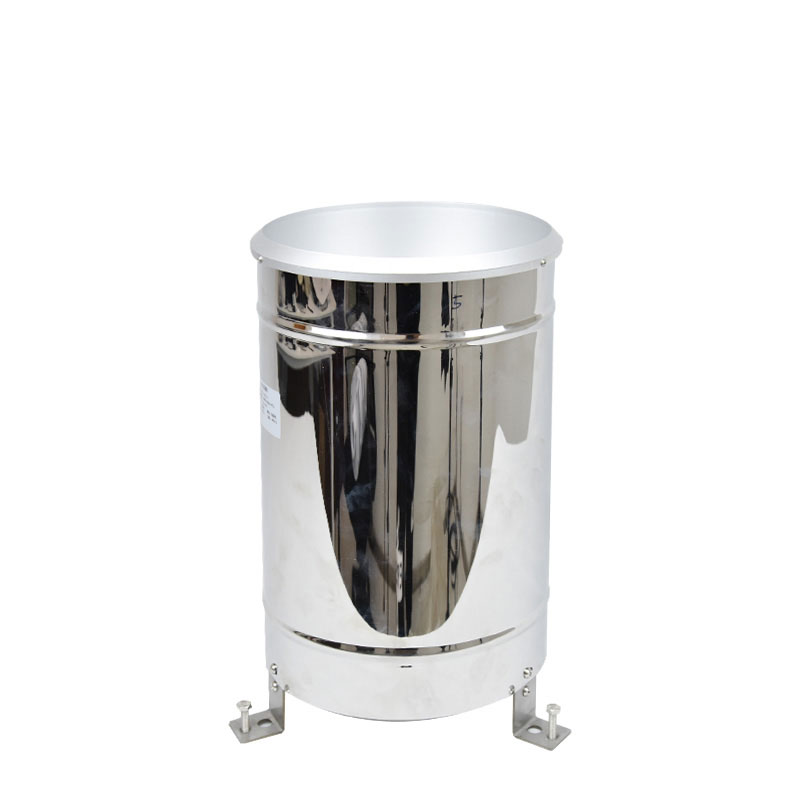
Stainless Steel Tipping Bucket Rain Gauge is a hydrometeorological instrument used to measure natural rainfall,It converts precipitation into a digital signal output, offering high detection accuracy and strong anti-interference capabilities, making it suitable for meteorological monitoring and hydrological data acquisition.
Stainless Steel Tipping Bucket Rain Gauge is a hydrometeorological instrument specifically designed to measure natural precipitation. Its core function is to automatically and continuously record rainfall processes and convert the collected liquid precipitation into standard digital information in the form of a switch signal output, thus providing accurate and reliable precipitation data sources for various monitoring systems.
This sensor operates based on the tipping bucket measurement principle. Its main components include a water collector, a funnel, and a double-sided symmetrical miniature tipping bucket. Rainwater is collected by the water collector, guided through the funnel, and poured into one side of the tipping bucket. When the accumulated rainwater on that side reaches a preset fixed volume (e.g., 0.1 mm, 0.2 mm, or 0.5 mm precipitation equivalent), the tipping bucket rotates due to the shift in its center of gravity, emptying the water, while the other side rotates to the water-receiving position to begin collecting water. Each tipping bucket movement triggers a switch, such as a reed switch or Hall element, generating a pulse signal. The data collector calculates the cumulative rainfall and rainfall intensity by counting the number of pulses.
In terms0 of technical performance, Stainless Steel Tipping Bucket Rain Gauge has a defined measurement range and intensity limit. Standard models typically have a rainfall intensity measurement range of 0 to 4 mm per minute, and can withstand short periods of rainfall intensity up to 8 mm per minute without damage or significant distortion. For areas prone to heavy rainfall, there are also heavy rainfall models with a measurement range of 0 to 10 mm per minute, allowing for a maximum rainfall intensity of 15 mm per minute. This design ensures the sensor's applicability and data integrity in various precipitation scenarios, from drizzle to heavy rain.
Accurate rainfall measurement is crucial for several fields. In agriculture, real-time precipitation data is direct evidence for guiding irrigation, assessing soil moisture, and preventing drought and flood disasters. In flood control and disaster reduction, a network of sensors distributed throughout the river basin can provide timely rainfall information, gaining valuable time for flood forecasting, reservoir management, and emergency response. In meteorological operations, it is a fundamental component of the weather observation network, serving the production and verification of weather forecasts. In hydrological research, long-term, continuous precipitation sequences are indispensable basic data for analyzing water resource evolution and constructing hydrological models.
The sensor's design emphasizes environmental adaptability. Its structure is typically robust and simple, with no complex electronic components exposed, allowing it to adapt to various harsh outdoor environments and providing excellent dust and insect resistance. At the same time, the mechanical measurement method makes it less susceptible to temperature, humidity, and electromagnetic interference, ensuring long-term operational stability and data accuracy.
In summary, the Stainless Steel Tipping Bucket Rain Gauge, with its reliable principle, durable structure, and intuitive data, has become one of the most mainstream automated devices for precipitation monitoring. By converting rainfall measurements into standard electrical signals, it seamlessly integrates into modern data acquisition systems, providing crucial technical support for various departments requiring accurate precipitation information, including meteorology, hydrology, environmental protection, agriculture, and transportation.
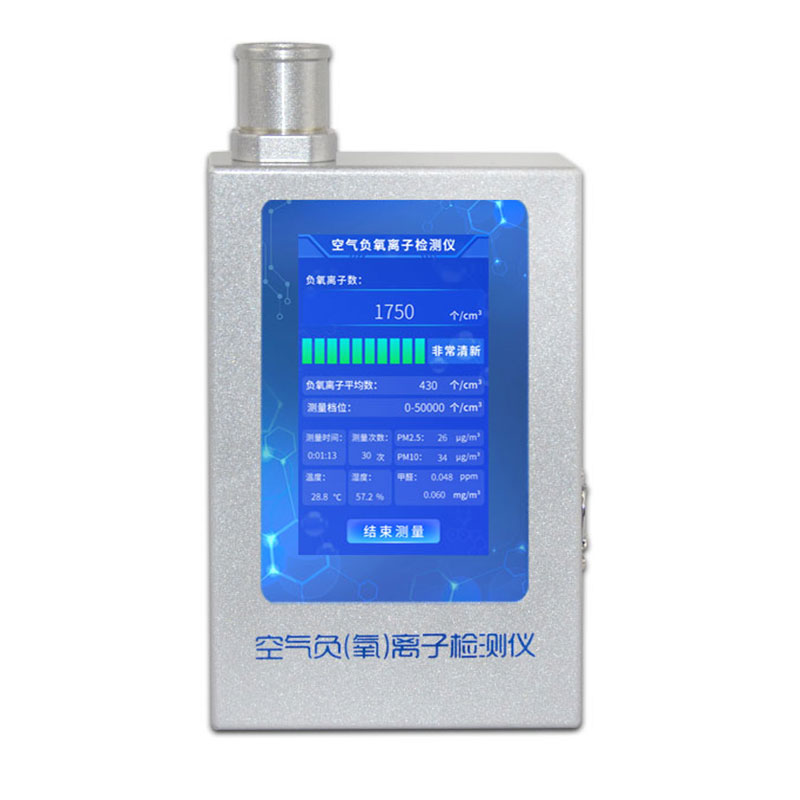
For a long time, air quality indicators have mostly been negative pollutants such as PM2.5 and sulfur dioxide. In contrast, negative oxygen ions, known as "air vitamins" beneficial to human health, serve as important positive indicators for measuring air freshness and ecological constructi...
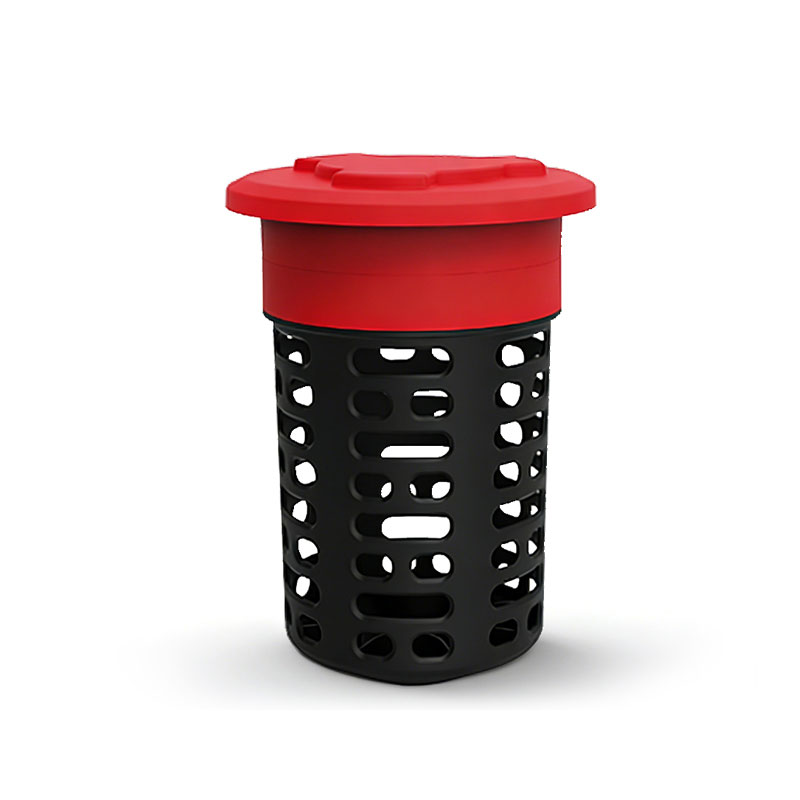
Entering the high - standard farmland demonstration area, 25 newly installed Solar insecticidal lamps are neatly arranged in the fields. These devices consist of silver lamp poles, black solar panels, and green lamp housings. They absorb solar energy and store electricity during the day, and at nigh...
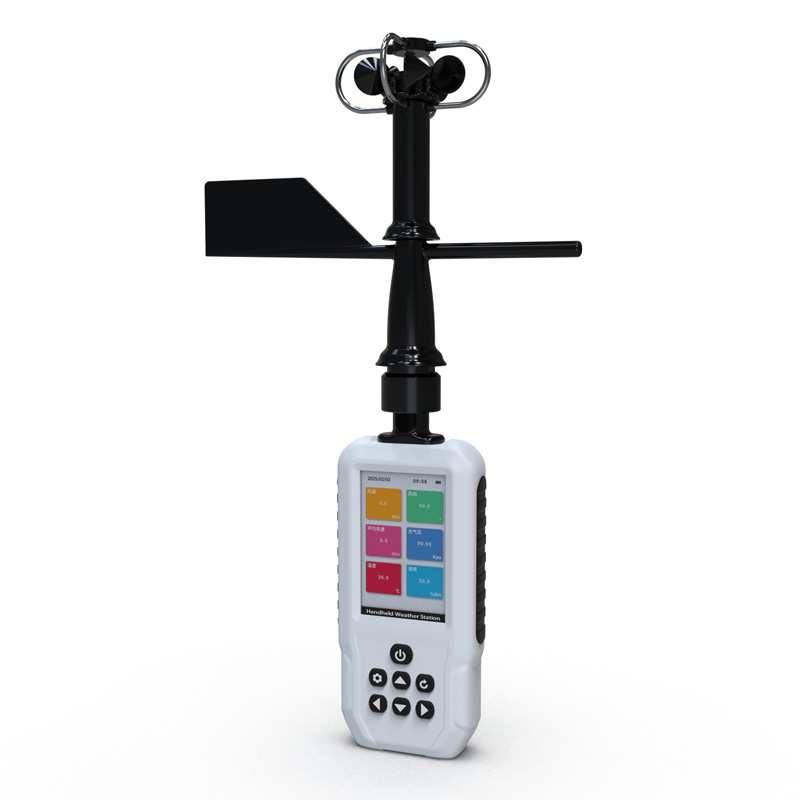
Ports serve as critical hubs connecting the ocean and land, with numerous vessels entering/exiting and cargo being loaded/unloaded daily. However, due to their unique geographic locations, ports face complex and variable meteorological conditions. Among these, wind speed and direction significantly...
Shandong Fengtu IoT Technology Co., Ltd., established in 2017 and located in Weifang High-tech Zone, has launched the FT-SQ2 handheld anemometer, weighing approximately 0.5 kg. It measures both wind speed and direction, with a data storage capacity of 40,000 records. The suggested retail price...


 Skype
Skype
 whatsapp
 mail
mail