Tianyi Sensor IOT Technology Co., Ltd
Sales Manager:Ms. Emily Wang
Cel,Whatsapp,Wechat:+86 15898932201
Email:info@fengtutec.com
Add:No. 155 Optoelectronic Industry Accelerator, Gaoxin District, Weifang, Shandong, China


Sales Manager:Ms. Emily Wang
Cel,Whatsapp,Wechat:+86 15898932201
Email:info@fengtutec.com
Add:No. 155 Optoelectronic Industry Accelerator, Gaoxin District, Weifang, Shandong, China
time:2025-05-22 10:12:16 source:Weather Station viewed:439 time
The IV curve, or current-voltage curve, visually demonstrates the current output of a photovoltaic (PV) cell or module at different voltages. Through this curve, core parameters such as open-circuit voltage, short-circuit current, and maximum power point can be obtained. These parameters are crucial for evaluating PV cell performance, assessing module quality, and determining optimal operating points in system design. For example, during system design, engineers can use IV curves to precisely match inverters and other equipment, ensuring the entire PV system operates efficiently and stably. In component quality inspection, the shape and parameters of the IV curve can quickly reveal issues such as hidden cracks, local contamination, or aging in modules.
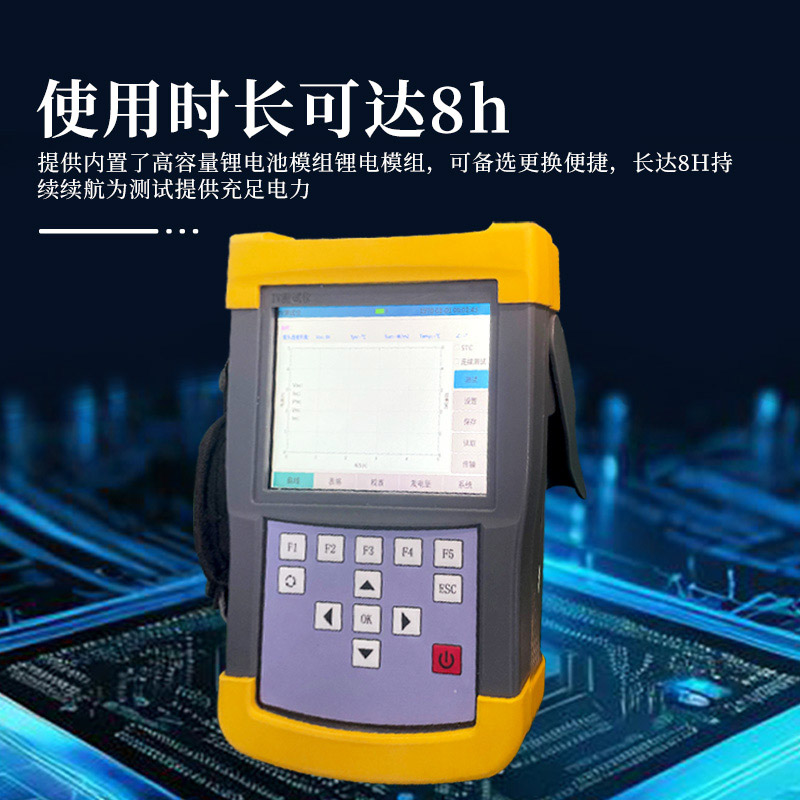
The Portable IV Curve Tester is a highly efficient tool specifically designed for on-site performance testing of PV modules. The FT-IV1 is compact and portable, allowing workers to easily carry it to the location of the module being tested in scenarios such as outdoor PV power plant inspections and rapid acceptance of module installations. It features a simple and intuitive operation interface with a user-friendly human-computer interaction experience, enabling users to master its use after brief training.
In terms of configuration, it can perform volt-ampere characteristic tests in low-light outdoor environments and provide corrections for standard STC (Standard Test Conditions). It has a built-in rich database of correction models for solar cell modules, covering products from most module manufacturers, while also offering comprehensive parameter settings for users to manually add test correction models. The internal high-voltage isolated power supply design includes automatic range switching and overvoltage/overcurrent and temperature protection mechanisms to ensure safe operation. Equipped with a large-capacity replaceable lithium-ion battery, it has strong battery life and includes environmental monitoring functions such as panel temperature detection and solar irradiance detection. It can measure a wide range of parameters, including I-V curves, P-V curves, short-circuit current, open-circuit voltage, and maximum power.
The Farmland Weather Station is a product of the integration of information technology and agricultural meteorological monitoring. By integrating multiple technical means, it achieves real-time and efficient processing of agricultural meteorological data, addressing the issues of delayed data collec...
In today's intertwined context of agricultural modernization and ecological conservation needs, dynamic changes in soil moisture directly impact crop growth, water resource utilization, and ecosystem stability. Automatic Soil Monitoring Systems are becoming the link connecting farmland managemen...
Leveraging the propagation characteristics of sound waves underwater, Water Rescue Equipment performs underwater detection through electro-acoustic conversion and signal processing. It provides scanned views, 3D visualizations, and underwater life detection capabilities for riverbeds and water...
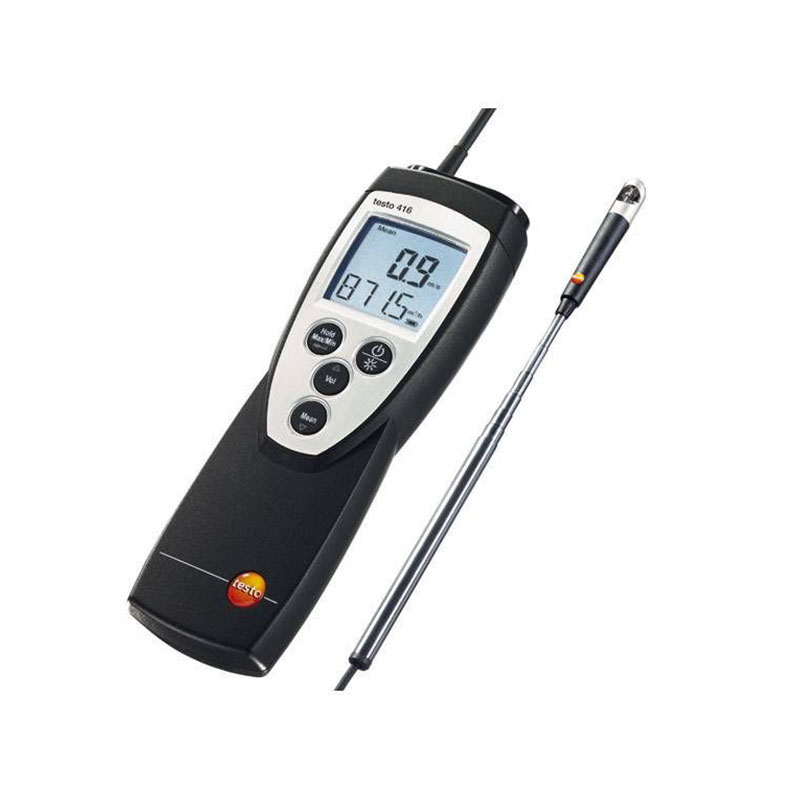
A Portable Weather Station is a highly integrated automatic field meteorological data collection and transmission device. Essentially, it is a fully functional mobile observation platform capable of rapidly establishing temporary meteorological observation points in areas not covered by conventional...



 Skype
Skype
 whatsapp
 mail
mail