Tianyi Sensor IOT Technology Co., Ltd
Sales Manager:Ms. Emily Wang
Cel,Whatsapp,Wechat:+86 15898932201
Email:info@fengtutec.com
Add:No. 155 Optoelectronic Industry Accelerator, Gaoxin District, Weifang, Shandong, China


Sales Manager:Ms. Emily Wang
Cel,Whatsapp,Wechat:+86 15898932201
Email:info@fengtutec.com
Add:No. 155 Optoelectronic Industry Accelerator, Gaoxin District, Weifang, Shandong, China
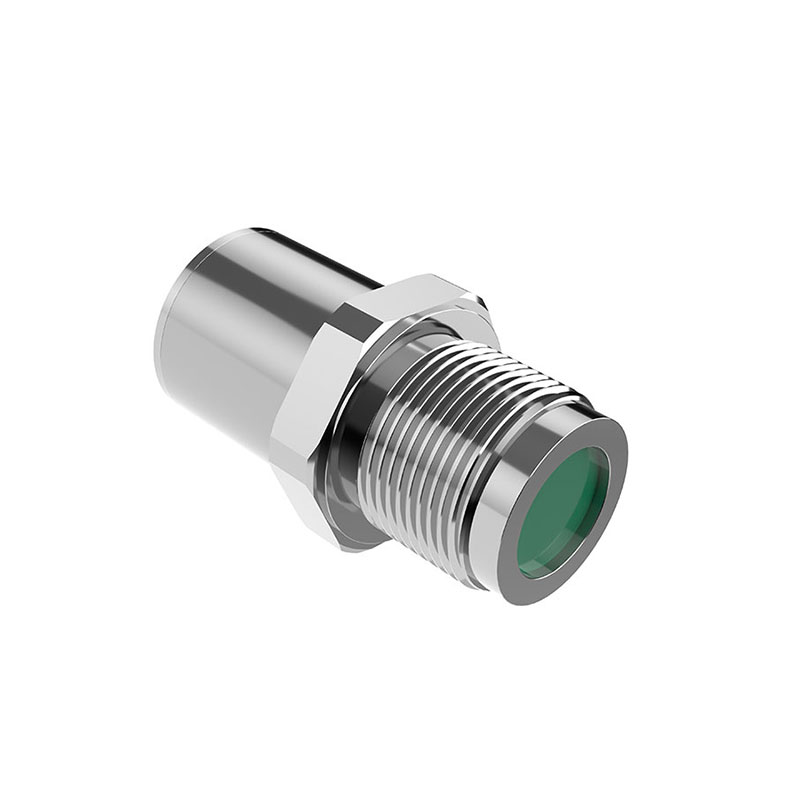
Model:ME-5
Brand:tianyi
1、Metallic Particle Sensor Product Introduction
Metallic Particle Sensor is used to detect the size, mass, properties, and accumulation trend of metal wear debris and particles in lubricating oil.Metal shavings are generated during the operation of bearings and gears in transmission machinery. These shavings are carried into the return oil line by the lubricating oil. An online metal shavings monitoring sensor is installed in the return oil line to monitor the size, mass, properties, and accumulation trend of the metal shavings. The monitored data is recorded in real time, and through data demodulation, the health status of the transmission equipment is determined. This provides reliable early warning and lifespan prediction for mechanical equipment.
The Metallic Particle Sensor sensor mainly consists of a sensor, a signal conditioning module, and connecting cables. It involves knowledge from multiple disciplines including mechanics, electronics, signal processing, and computer science, and is a typical product of the integration of multiple high technologies. Installed in the lubrication system's oil circuit, the Metallic Particle Sensor monitors the accumulation of parameters such as the quantity and size of metal shavings in the power transmission system in real time to analyze the health status of the power transmission system, enabling proactive maintenance measures to ensure reliable system operation.
The Metallic Particle Sensor sensor uses the principle of electromagnetic induction to detect the quantity of metal particles in the lubrication system, serving as a basis for determining the degree of damage to bearings or gearboxes. The sensor must be installed before the filter, at the lowest point of the return line.
2、Metallic Particle Sensor Features
Online, real-time detection of metal particles
Full-flow design
100% detection rate of ferromagnetic metal particle concentration
Easy to install
Intuitive and clear display of monitoring data
Robust structural design
No moving parts
Long transmission distance, up to 1000 meters
Signal line withstands 5KV high isolation voltage
3、Metallic Particle Sensor Application areas
Lubricating oil is the "blood" of critical equipment. Lubricating oil failure directly leads to abnormal wear of non-critical mechanical components, a major cause of equipment malfunctions and serious accidents.
Metallic Particle Sensor can monitor the wear level of the oil in the hydraulic system 24/7, providing real-time feedback on the oil's condition. This helps users avoid or mitigate equipment failures caused by lubricating oil failure.
Metallic Particle Sensor can be widely used in industries such as power, mining, cement, shipbuilding, military, industrial manufacturing, papermaking, petrochemicals, transportation, metallurgy, aviation, oil fields, and ports. Applications include: wind turbine gearboxes, aircraft/helicopter gearboxes, hydraulic transmission systems, machining centers, steam turbines, gearboxes, and gasoline/diesel engines.
4、Metallic Particle Sensor Technical parameters
Particle Concentration
Detection Range: 0~100%
Resolution: 0.01%
Temperature
Detection Range: -40~120°C
Detection Accuracy (Typical Value at 23°C):
±0.5°C or ±3% (whichever is greater)
Resolution: 0.01°C
Electrical Parameters
Communication Protocol: MODBUS RTU
Cable Interface: M12*15 cores or M8*16 cores
Cable Length: 1.5m (Customizable)
Operating Voltage: DC 24V
Power: ≤1W (Sensor Detection); ≤5W (Compensation for Permanent Magnet Magnetic Field)
Other Parameters
Threaded Interface: G1/2〃(GB/T7307-2001), G1 (selectable)
Pressure Resistance: 0~5MPa
Oil Sample Flow Rate: ≤3m/s
The buoy-type online water quality monitoring system is a modern water body monitoring method. As an automated device for long-term and real-time monitoring of water quality, it is widely used in environmental monitoring of various water areas such as rivers, lakes, oceans, reservoirs, and aquacultu...
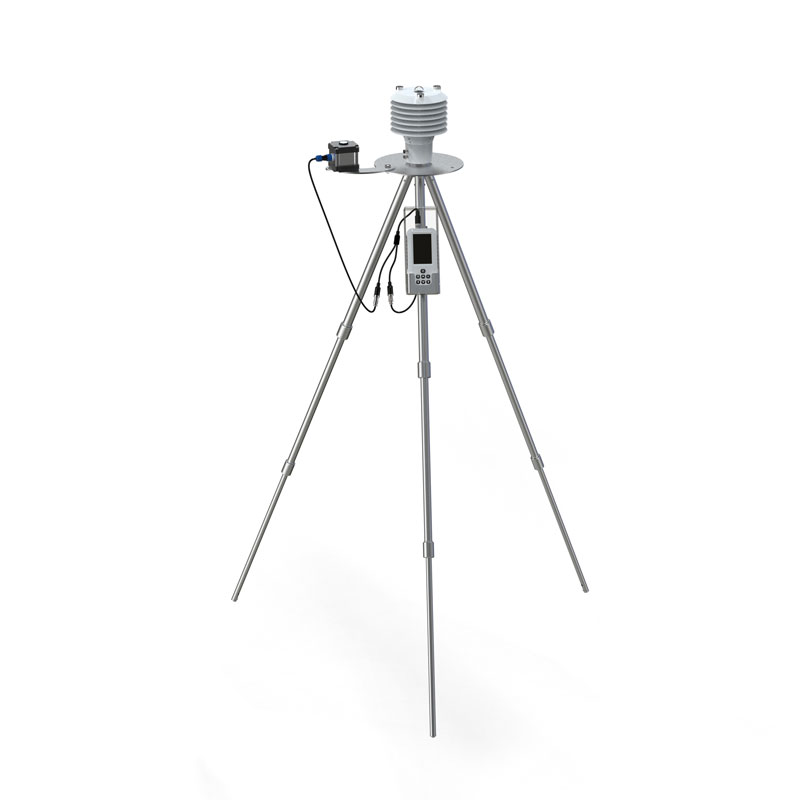
Weighing Rain Gauge is based on weighing principle technology, utilizing high-precision sensors to real-time measure the pressure change of precipitation on the receiving container, thereby accurately calculating precipitation intensity. It can measure both liquid and solid precipitation, as well as mixed solid-liquid precipitation, suitable for long-term automatic monitoring needs in hydrology, meteorology, forestry, and other departments....
Debris flow is a common sudden geological disaster in mountainous areas. Triggered by heavy rains and melting snow and ice, it carries a large amount of solid materials such as sediment and rocks, flowing rapidly with strong impact force and a wide range of destruction. It often causes severe damage...
COD Analyzer complies with the national standard HJ828-2017 and employs the potassium dichromate oxidation spectrophotometric method. It enhances detection accuracy through dilution injection and chloride ion masking technology. The equipment boasts strong anti-interference capabilities, conve...


 Get a Free Quote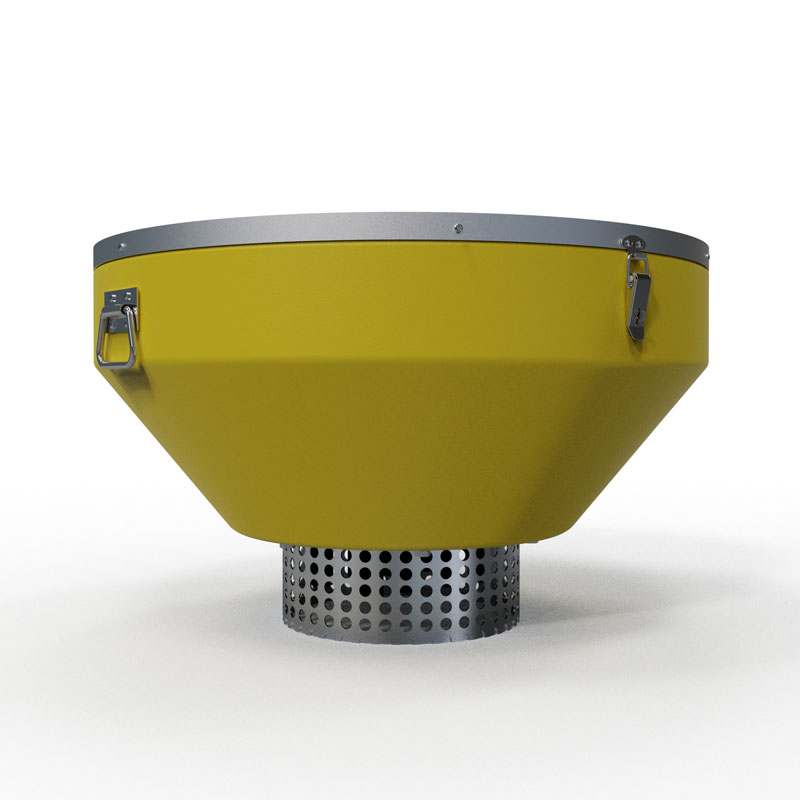
 Skype
Skype
 whatsapp
 mail
mail