Tianyi Sensor IOT Technology Co., Ltd
Sales Manager:Ms. Emily Wang
Cel,Whatsapp,Wechat:+86 15898932201
Email:info@fengtutec.com
Add:No. 155 Optoelectronic Industry Accelerator, Gaoxin District, Weifang, Shandong, China


Sales Manager:Ms. Emily Wang
Cel,Whatsapp,Wechat:+86 15898932201
Email:info@fengtutec.com
Add:No. 155 Optoelectronic Industry Accelerator, Gaoxin District, Weifang, Shandong, China
time:2025-03-07 09:45:06 source:Weather Station viewed:459 time
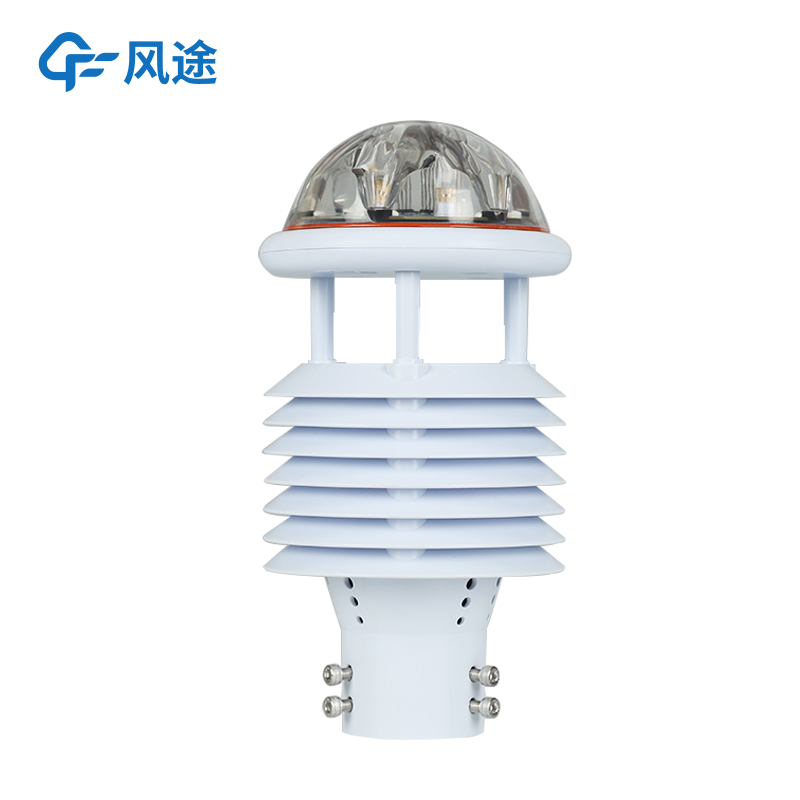
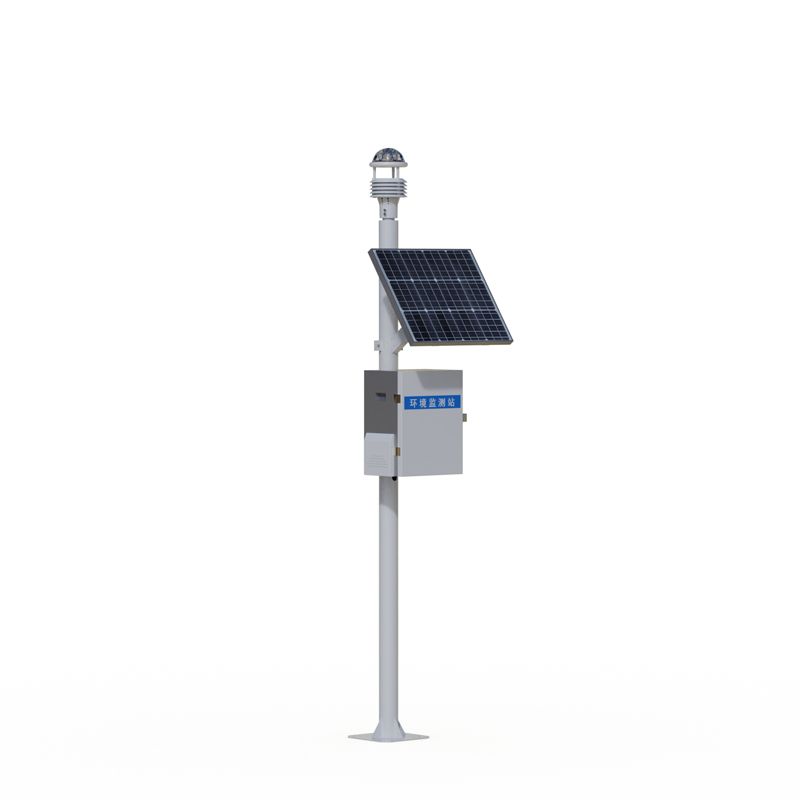
The FT - WQX9 Outdoor Weather Sensors are common devices in the field of meteorological monitoring. Integrating multiple sensors, they can accurately measure data such as wind speed, wind direction, temperature, humidity, air pressure, PM2.5, PM10, rainfall, and solar radiation, providing real - time and accurate records of meteorological changes.
It adopts all - digital sensors and an intelligent signal processing unit. The data collection is efficient and stable, with both instantaneity and accuracy, providing a reliable basis for meteorological analysis.
With a rugged and durable design, a solid housing, and good protection performance, it is not afraid of extreme weather. Whether in fierce storms or severe cold and heat, it can operate stably and continuously output accurate data.
It has a wide range of applications and is mainly used in fields such as meteorology, environmental protection, airports, ports, laboratories, traffic management, industry, and agriculture, providing comprehensive meteorological monitoring solutions for various industries.
Working Principles of Outdoor Weather Sensors
Wind Speed and Direction Sensor
Based on the principle that the propagation speed of ultrasonic waves in the air is affected by wind speed, the sensor emits and receives ultrasonic signals. The wind speed is calculated by measuring the time difference in the propagation of ultrasonic waves in the wind direction.
Temperature Sensor
Using the diode junction voltage method, taking advantage of the characteristic that the junction voltage of the diode PN junction changes with temperature. When the temperature rises, the forward voltage drop of the diode will decrease. The temperature change is calculated by measuring the change in the junction voltage, thus realizing temperature measurement.
Relative Humidity Sensor
Based on the principle of capacitive sensors, using the characteristic that the dielectric constant of polymer materials changes after absorbing moisture. The humidity value is calculated by measuring the change in capacitance.
Air Pressure Sensor
Utilizing the piezoresistive effect of semiconductor materials, the atmospheric pressure causes the resistance value of the sensor to change, thereby determining the air pressure.
PM2.5/PM10 Sensor
Based on the principle of laser scattering, a laser irradiates suspended particulate matter in the air, generating scattered light. The sensor receives the scattered light signal and analyzes the concentration of particulate matter.
Rainfall Sensor
Mostly uses an infrared light - emitting diode and a phototransistor. When raindrops enter the detection area, they change the light propagation, causing the light intensity received by the phototransistor to change. The circuit converts this into an electrical signal, and through analysis, the size and quantity of raindrops are calculated to obtain the rainfall.
Solar Radiation Sensor
Using a thermocouple or thermopile to measure the heat of solar radiation, converting solar radiant energy into thermal energy, and then into an electrical signal output through the thermoelectric effect.
Product Features of Outdoor Weather Sensors:
All - digital Detection
With digital detection technology and high - precision sensors, it effectively eliminates interference and ensures the accuracy and reliability of the output data, providing a solid data foundation for meteorological monitoring.
Multi - function Integration
The highly integrated design can accurately detect nine key meteorological parameters such as wind speed, wind direction, ambient temperature, relative humidity, atmospheric pressure, rainfall, photoelectric radiation, PM2.5, and PM10 in one - stop, meeting diverse meteorological monitoring needs. There is no need for multiple independent devices, saving costs and space.
High - strength Structural Design
Made of high - quality ASA engineering plastic materials and with a scientific structural design, it has excellent anti - aging and corrosion - resistance properties. It can work stably in various harsh climate environments such as high temperature, low temperature, high humidity, strong wind, and heavy rain. It is rugged, durable, and has a long service life.
Easy Installation and Maintenance
The unique snap - on probe design makes the installation process simple and quick, and can effectively avoid loosening problems during transportation and installation. At the same time, the device has functions such as automatic reset, eliminating the need for complex on - site maintenance and calibration work, reducing the use threshold and maintenance costs, and the operation is very simple.
Visibility and Present Weather Sensor uses the forward scattering method to measure the total extinction coefficient of air and calculate visibility. It can identify various weather phenomena such as fog, rain, snow, mixed precipitation, and clear skies, with a recognition rate of over 95%. It...
Agriculture, as the foundation of human survival, is intricately linked to the weather. Weather conditions profoundly influence every aspect of agricultural production. During the sowing stage, seed germination requires suitable accumulated temperature, typically above 10°C. If the temp...
Based on the HJ536-2009 standard for salicylic acid spectrophotometry, the online automatic ammonia nitrogen monitor is resistant to interference from water color and suspended solids. It offers high measurement accuracy, long maintenance cycles, and is suitable for long-term online monitoring...
Present weather and visibility sensor is a professional meteorological device used for automatically identifying and observing weather phenomena such as fog, rain, snow, mixed precipitation, and clear skies, and for measuring current visibility. It enables fully automatic and accurate recording of weather type, visibility, and precipitation....


 Skype
Skype
 whatsapp
 mail
mail