Tianyi Sensor IOT Technology Co., Ltd
Sales Manager:Ms. Emily Wang
Cel,Whatsapp,Wechat:+86 15898932201
Email:info@fengtutec.com
Add:No. 155 Optoelectronic Industry Accelerator, Gaoxin District, Weifang, Shandong, China


Sales Manager:Ms. Emily Wang
Cel,Whatsapp,Wechat:+86 15898932201
Email:info@fengtutec.com
Add:No. 155 Optoelectronic Industry Accelerator, Gaoxin District, Weifang, Shandong, China
time:2026-04-20 11:40:19 source:Weather Station viewed:225 time
Developed based on the principles of charge induction and MEMS technology, this lightning warning system utilizes a combined electric field differential and threshold-based algorithm to effectively prevent false alarms caused by adverse weather conditions—such as rain, strong winds, and blowing dust. With a detection radius of 15 kilometers, the system provides critical lightning warnings for sectors including petrochemicals, power grids, and scenic tourist areas.
The lightning warning system serves as a fully digital platform for electric field detection and lightning alerts. Its core electric field sensing structure is engineered based on charge induction principles and developed using MEMS technology. Devoid of motors or other moving mechanical parts prone to wear and tear, the system boasts distinct advantages such as a compact size, low power consumption, high reliability, and ease of integration. When thunderclouds form or approach, the intensity of the static electric field relative to the ground exhibits distinct patterns of change. The system detects and analyzes these thunderclouds by continuously measuring the ambient static electric field; a gradual increase in electric field intensity signals a high probability that lightning activity is imminent within the monitored area.
Regarding its warning algorithms, the system employs a sophisticated approach that combines electric field differentiation with dynamic threshold analysis to optimize lightning alerts. Compared to conventional methods that rely solely on fixed thresholds, this system significantly reduces the likelihood of false alarms triggered by environmental disturbances—including weather factors such as rain, strong winds, snow, and blowing dust—thereby substantially enhancing the accuracy of its warnings. The system features a three-tier warning capability, enabling it to transmit distinct alert signals to audible and visual alarm devices; furthermore, it supports integration with cloud-based platforms for remote data monitoring and management.
In terms of technical specifications, the system offers an electric field measurement range of -100 kV/m to +100 kV/m, with a resolution of 0.1 V/m and an accuracy of ±0.001% F.S. It features a detection radius of 15 kilometers, a total unit weight of 36 kg (with the sensor itself weighing a mere 710 g), a power consumption of 2 watts, and an operating temperature range of -10°C to +60°C. The complete system assembly comprises a lightning warning probe, a data processing host, a solar power supply unit, a direct lightning protection system, a surge protection system, a grounding system, as well as integrated sensors for ambient temperature, humidity, and atmospheric pressure. The system supports both wired and wireless data transmission modes. It can connect to sensors via an RS485-Modbus-RTU interface and upload data to a cloud platform using GPRS or 4G connectivity. Data is transmitted at intervals of 60 seconds, utilizing the JSON format for outbound communication; the estimated monthly data usage requirement is approximately 100 MB.
During installation, the lightning warning probe should be set up on a clear day in an unobstructed outdoor location. It must not be installed near generator exhaust outlets, utility poles, or directly beneath high-voltage power lines. A recommended installation height of 1.8 meters is advised, with a maximum wired cabling distance of 100 meters. Furthermore, proper grounding must be ensured during the operation of the device. This lightning warning system is primarily designed to meet the specific requirements for atmospheric electric field detection and localized, short-term lightning early warning across various sectors, including aerospace and defense, meteorology, oil and petrochemicals, power grids, scenic areas, mining, fuel depots, and military operations. When the electrostatic field intensity rises continuously, the system analyzes and processes real-time detection data to trigger graded alarm signals, thereby providing critical lead time for personnel evacuation, equipment shutdown, and system switching.
Visibility Testing Instrument is a device used to measure atmospheric visibility. It uses the forward scattering method to calculate visibility, with a parameter range of 10km and a resolution of 1m. It is widely used in meteorological monitoring, traffic safety, environmental protection, and...
The wireless transmission technology of Multiparameter Weather Sensors enables remote real-time transmission of meteorological data through communication methods such as LoRa, ZigBee, and GPRS. Traditional wired sensors suffer from cumbersome cabling, which limits installation locations. In contrast...
Weighing Rain Gauge is based on weighing principle technology, utilizing high-precision sensors to real-time measure the pressure change of precipitation on the receiving container, thereby accurately calculating precipitation intensity. It can measure both liquid and solid precipitation, as well as mixed solid-liquid precipitation, suitable for long-term automatic monitoring needs in hydrology, meteorology, forestry, and other departments....
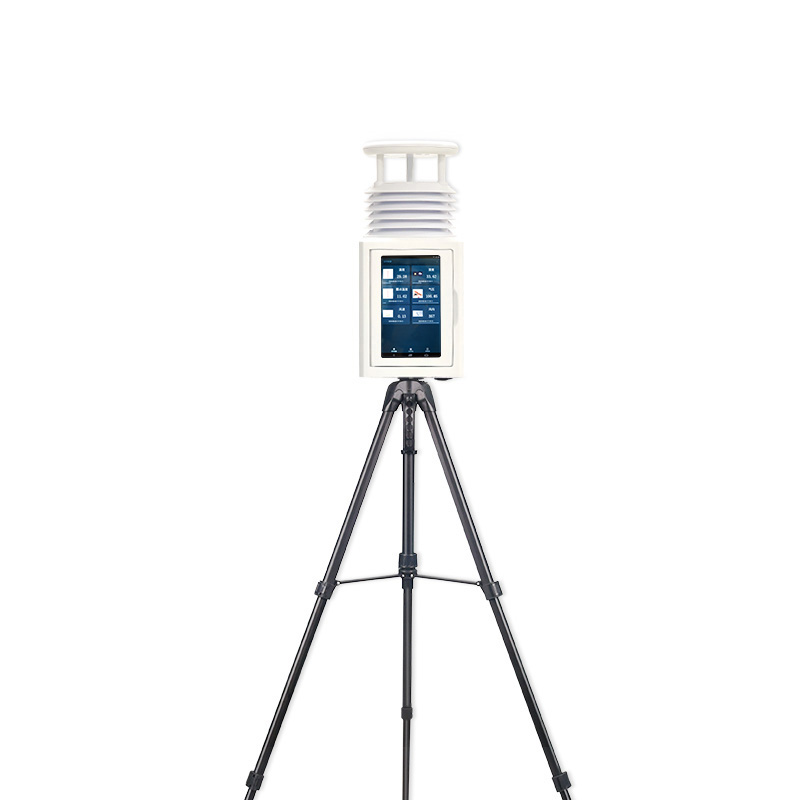
Portable Weather Station is an innovative type of equipment widely used in meteorological monitoring in recent years. Utilizing highly integrated sensors and intelligent technology, it condenses multiple observation functions of traditional weather stations into a lightweight, handheld or portable f...


 Skype
Skype
 whatsapp
 mail
mail