Tianyi Sensor IOT Technology Co., Ltd
Sales Manager:Ms. Emily Wang
Cel,Whatsapp,Wechat:+86 15898932201
Email:info@fengtutec.com
Add:No. 155 Optoelectronic Industry Accelerator, Gaoxin District, Weifang, Shandong, China


Sales Manager:Ms. Emily Wang
Cel,Whatsapp,Wechat:+86 15898932201
Email:info@fengtutec.com
Add:No. 155 Optoelectronic Industry Accelerator, Gaoxin District, Weifang, Shandong, China
time:2026-08-28 10:35:56 source:Weather Station viewed:23 time
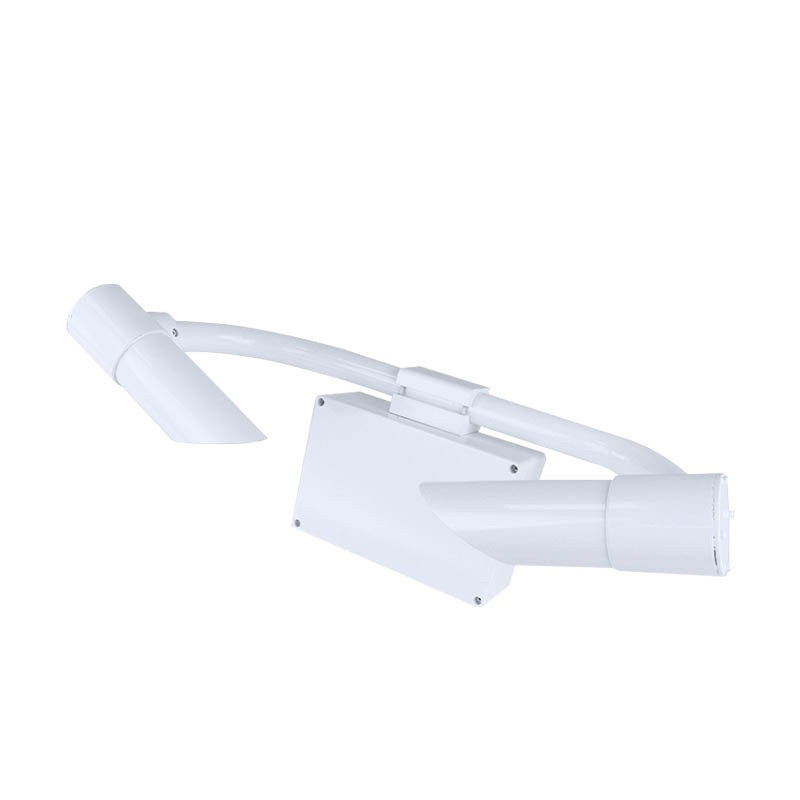
These instruments utilize the forward scattering method to calculate the total extinction coefficient of air, accurately converting it into atmospheric visibility values. They can automatically identify various weather phenomena, are highly protective, consume little power, and are adaptable to multiple scenarios, making them widely used in road traffic and meteorological monitoring.
These specialized meteorological monitoring devices employ the forward scattering method for precise measurement of the total extinction coefficient of air. Through professional algorithms, they calculate real-time atmospheric visibility data, enabling continuous outdoor monitoring around the clock. They are core equipment in road traffic maintenance and meteorological environmental observation. This equipment abandons traditional manual observation methods, relying on high-precision optical sensing technology to effectively improve the timeliness and accuracy of meteorological data collection, adapting to various complex outdoor operating environments.
The weather phenomenon instrument's casing is constructed from high-quality aluminum, treated with both anodizing and painting processes, providing excellent waterproof, dustproof, and impact-resistant properties. It can withstand long-term exposure to harsh outdoor environments such as wind, rain, and sandstorms. The instrument features an optimized optical structure design, with both the transmitting and receiving lenses mounted downwards to significantly minimize interference from external stray light such as sunlight. This hardware-level design ensures the stability of monitoring data and effectively reduces detection errors caused by ambient light sources. Simultaneously, the device is equipped with an intelligent recognition system that can accurately identify various weather phenomena such as fog, rain, snow, mixed precipitation, and clear skies, with high accuracy to meet the needs of refined meteorological observation.
Regarding operational stability, the weather phenomenon instrument incorporates a watchdog circuit, ensuring uninterrupted and stable long-term outdoor operation. Both communication and power interfaces are equipped with professional lightning protection structures, effectively resisting damage from lightning strikes and static electricity, making it suitable for monitoring operations in areas prone to thunderstorms. The device supports a wide voltage range of 12 to 24V, with a total power consumption of only about 1W. This ultra-low energy consumption allows it to be powered independently for extended periods using solar panels or batteries, significantly reducing maintenance costs and power supply limitations.
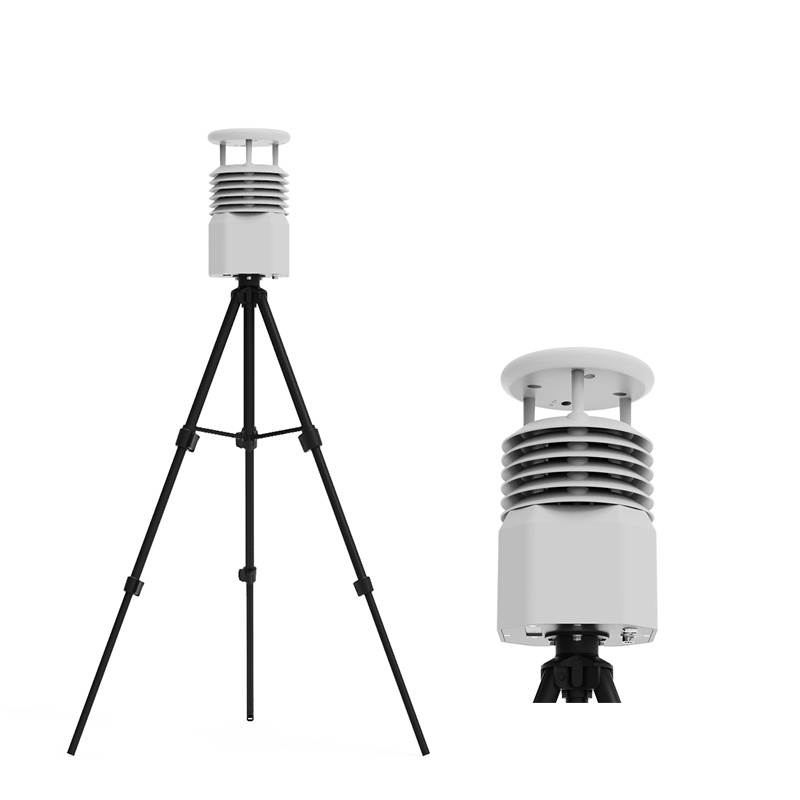
The micro weather sensor is a new-type device designed to meet meteorological monitoring needs across various industries and scenarios. It integrates the attributes of integration, miniaturization and multi-functionality. Inheriting the advantages of high precision, high stability and easy installat...
What are the negative oxygen ion monitors? One is a detector suitable for scenic spots, and the other is a handheld negative ion detector.For the negative ion detector in scenic spots, the FT-FZ1 Scenic Air Negative Oxygen Ion Monitor can be selected. This monitor can monitor the concentration of ne...
The Portable IV Curve Tester FT-IV2 is an instrument specifically designed for outdoor photovoltaic testing, capable of quickly measuring the current-voltage (I-V) characteristic curves of photovoltaic modules or strings.The tester features a maximum voltage measurement range of 1500V and a current...
Life Detector Device integrates infrared thermal imaging detection, 4K high-definition video observation, and two-way voice communication functions. This device can effectively locate signs of life in complex environments such as debris and enable communication between rescuers and those trapp...



 Skype
Skype
 whatsapp
 mail
mail