Tianyi Sensor IOT Technology Co., Ltd
Sales Manager:Ms. Emily Wang
Cel,Whatsapp,Wechat:+86 15898932201
Email:info@fengtutec.com
Add:No. 155 Optoelectronic Industry Accelerator, Gaoxin District, Weifang, Shandong, China


Sales Manager:Ms. Emily Wang
Cel,Whatsapp,Wechat:+86 15898932201
Email:info@fengtutec.com
Add:No. 155 Optoelectronic Industry Accelerator, Gaoxin District, Weifang, Shandong, China
time:2025-12-11 11:22:41 source:Weather Station viewed:358 time
Present weather and visibility sensor is a professional meteorological device used for automatically identifying and observing weather phenomena such as fog, rain, snow, mixed precipitation, and clear skies, and for measuring current visibility. It enables fully automatic and accurate recording of weather type, visibility, and precipitation.
Present weather and visibility sensor is a professional meteorological observation device. Its main function is to automatically identify and record the type of weather phenomena occurring and simultaneously measure atmospheric visibility. This device aims to replace traditional manual visual observation, achieving automation, objectivity, and continuity in meteorological observation, providing a reliable data foundation for weather forecasting, traffic management, aviation safety, and climate research.
The core capability of this device is the fully automatic identification of weather phenomena. It typically employs multi-sensor fusion technology. For example, it uses forward scattering principles or camera recognition technology to differentiate precipitation types (such as drizzle, rain, snow, hail, and mixed precipitation) and determine their intensity; it utilizes visibility sensors (such as transmissive or scattering types) to accurately measure atmospheric optical range, i.e., "current visibility." These data are comprehensively analyzed by an internal processor to automatically determine and output non-precipitation weather phenomena such as clear skies, fog, light fog, and dust.
The key technical advantages lie in its automation and accuracy. The instrument can operate 24 hours a day, continuously outputting current weather phenomenon codes, visibility values, and related precipitation information in real time, according to the standards of the World Meteorological Organization. This eliminates the subjective differences and recording interruptions of manual observation, ensuring data comparability and continuity. Modern Present weather and visibility sensor integrates data acquisition, processing, and transmission modules, allowing observation results to be directly integrated into meteorological operational networks.
In practical applications, Present weather and visibility sensor is an important component of automatic weather stations. It is widely deployed in critical weather-sensitive areas such as airports, ports, highways, and meteorological observation stations. In the aviation field, the real-time visibility and precipitation type data it provides are directly related to safety decisions for flight takeoffs and landings. In traffic management, it can provide timely warnings of severe weather such as heavy fog and heavy precipitation, assisting management departments in activating emergency plans. Furthermore, long-term automated recording provides valuable data sequences for studying local climate characteristics and climate change. In summary, the Present weather and visibility sensor, as a professional device for the automated recording of weather phenomena, significantly improves the efficiency and objectivity of meteorological observation by accurately identifying weather types and measuring visibility and precipitation. It plays an indispensable role in ensuring public safety and supporting meteorological operations and services.
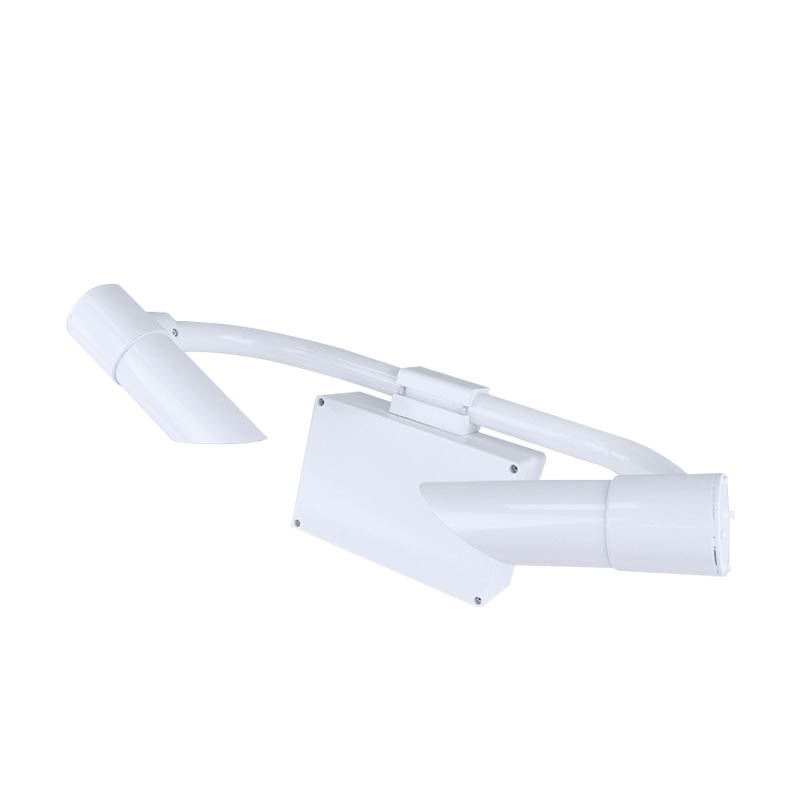
Infrared Thermal Imaging Camera is an electronic instrument based on the principle of infrared radiation detection, It receives infrared radiation energy emitted from the surface of an object in a non-contact manner and converts it into a visible thermal image to reflect the temperature distribution of the target. This device supports multiple display and analysis modes....
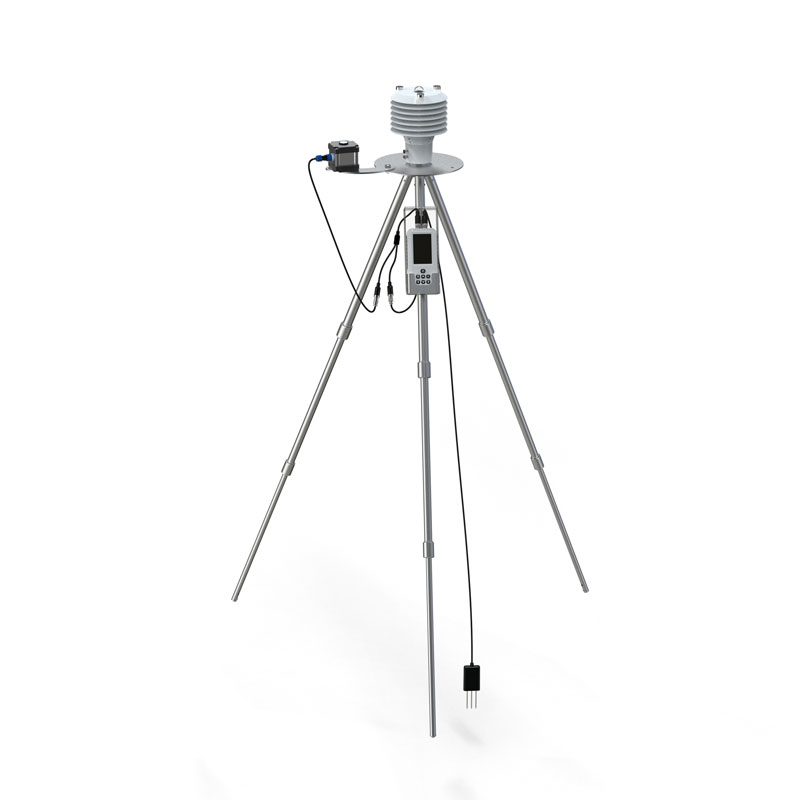
A meteorological observation station is a facility used to monitor and record meteorological information. It collects data on weather conditions through various instruments and equipment, providing important basis for weather forecasting, climate research and disaster warning.As a professional facil...
Stainless Steel Tipping Bucket Rain Gauge employs a standard Φ200mm diameter aperture and a bistable tipping bucket structure. Each bucket triggers tipping when it receives 0.2mm of rainfall. It supports Modbus 485 signal output and ±2% measurement error, making it suitable for monitoring li...
Some enterprises, in order to reduce wastewater treatment costs, secretly discharge untreated sewage directly into the external environment or municipal pipelines through illicitly installed concealed pipes. For example, a company in an industrial park discharged high-concentration phenol-containing...


 Skype
Skype
 whatsapp
 mail
mail