Tianyi Sensor IOT Technology Co., Ltd
Sales Manager:Ms. Emily Wang
Cel,Whatsapp,Wechat:+86 15898932201
Email:info@fengtutec.com
Add:No. 155 Optoelectronic Industry Accelerator, Gaoxin District, Weifang, Shandong, China


Sales Manager:Ms. Emily Wang
Cel,Whatsapp,Wechat:+86 15898932201
Email:info@fengtutec.com
Add:No. 155 Optoelectronic Industry Accelerator, Gaoxin District, Weifang, Shandong, China
time:2025-03-17 13:11:42 source:Weather Station viewed:425 time
Soil salinity refers to the total amount of various soluble salts contained in the soil. Imagine that the soil is like a large container filled with a variety of substances, and soil salinity is one of these substances. These salts mainly accumulate gradually during the soil formation process from some minerals, and may also come from irrigation water, rainfall, and human activities, etc.
The salts in the soil are similar to the salt we eat in our daily lives in that they have a certain degree of solubility and can dissolve in soil moisture. However, there are many types of salts in the soil. Common ones include sodium chloride, sodium sulfate, sodium carbonate, sodium bicarbonate, and some salts of calcium and magnesium, etc., which is different from the salt we eat that is mainly sodium chloride.
When the salt content in the soil is too high, it will have an adverse impact on plant growth, just like how a person feels uncomfortable after eating too much salt. Excessive salt makes it difficult for plants to absorb water from the soil, leading to water shortage in plants. It may also affect the plants' absorption of other nutrients, causing plants to grow slowly, develop poorly, and even die. Moreover, a long-term high-salt environment will change the physical and chemical properties of the soil, making the soil compact, with poor air permeability and water permeability. It will be like a hard stone, which is not conducive to the growth and development of plant roots. Over time, it will become saline-alkali soil, which is what we often call "soil salinization".
During the dry season, due to the evaporation of water, salts accumulate on the surface of the soil, which may cause the surface to show white, grayish-white, or yellowish-white salt frost or salt patches. This indicates that the soil is salinized.
In addition to this method, we can also use a pH test paper or a professional soil acidity meter to measure the pH value of the soil. Generally speaking, the pH value of saline-alkali soil is relatively high, usually greater than 7.5, and may even reach above 9. If the test result shows that the soil pH value is within this range, then the soil is likely to be saline-alkali soil.
The electrical conductivity of the soil can also reflect the level of soil salinity. Use an electrical conductivity meter to measure the electrical conductivity of the soil leachate. If the electrical conductivity value is high, it indicates that there is a large amount of salt in the soil, and it may be saline-alkali soil. Generally, it is considered that when the soil electrical conductivity is greater than 4 dS/m, there may be a soil salinization problem.
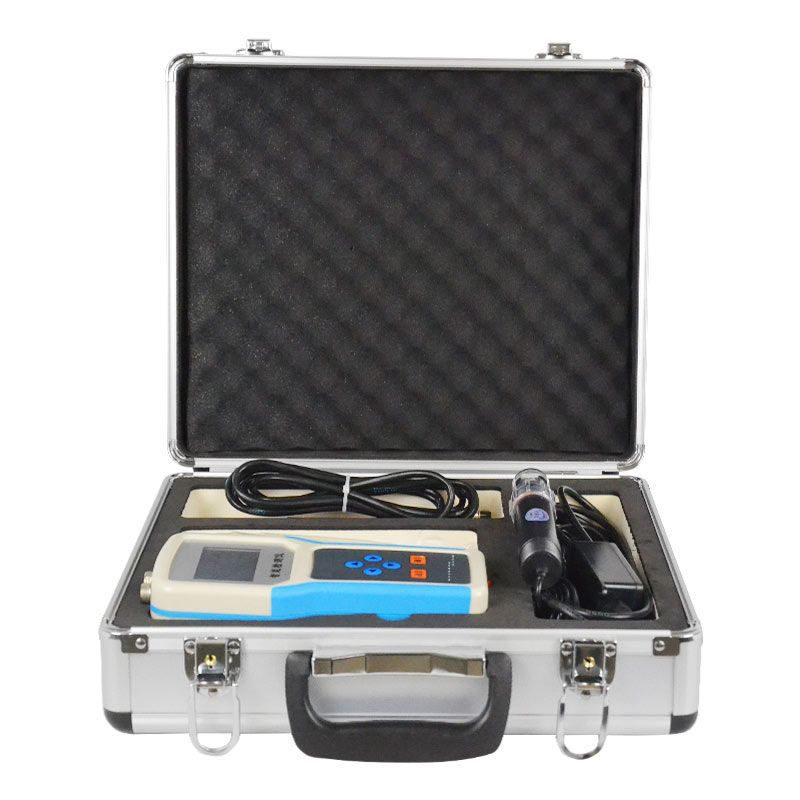
The Soil salinity meter is a portable intelligent device specially designed for modern agriculture and environmental monitoring. It integrates high-precision sensors, intuitive software, and a lightweight host, and can quickly measure the soil electrical conductivity (0~20000us/cm, with an accuracy of ±3%). It can automatically convert the value into the salt content, eliminating the cumbersome steps of manual calculation. Its integrated design is compact and lightweight, making it suitable for field operations in complex scenarios such as farmland, saline-alkali land, and grasslands.
The instrument uses a large-screen color liquid crystal display to display the electrical conductivity, salt content, low voltage status in real time, and supports local storage of up to 10 million pieces of data and power-off protection function. Through the GPRS module or USB interface, users can upload the data to the cloud platform with one click or export it as an Excel table. Combined with the supporting software, data curves and salt distribution heat maps can be generated to provide support for scientific decision-making. The device supports the synchronous access of multiple sensors (such as monitoring at different soil layer depths), automatically recognizes the sensor parameters and combines them flexibly to meet diversified measurement needs.
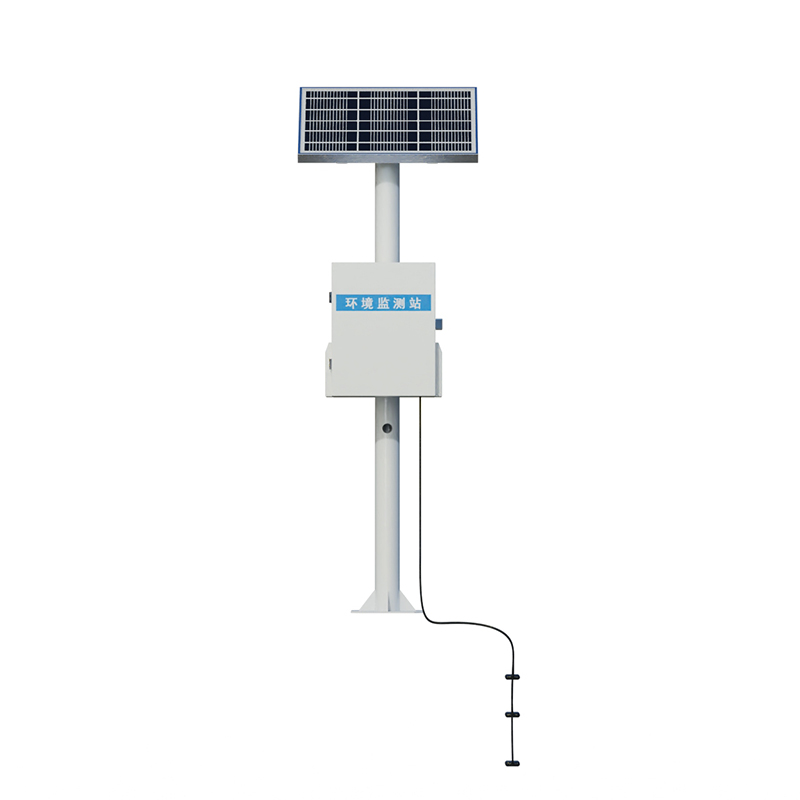
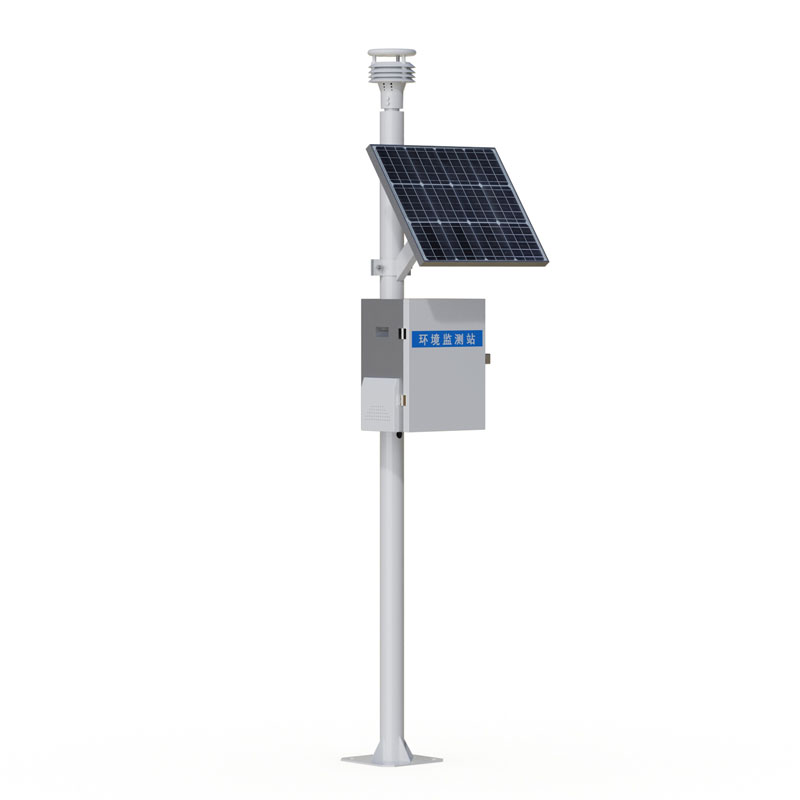
An air quality monitoring station is an unmanned environmental monitoring device that integrates data collection, storage, transmission, and management. Its core advantage lies in its ability to conduct high-precision, real-time monitoring of various pollutants. The system can provide data on parame...
PV Weather Station monitors elements such as solar radiation and temperature and humidity, providing data support for the operation of photovoltaic power plants....
Visibility and Present Weather Sensor uses the forward scattering method to measure the total extinction coefficient of air, calculate visibility, and identify weather phenomena such as fog, rain, and snow, with a recognition rate of ≥95%. The casing is made of anodized aluminum, making the e...
In the agricultural field, the traditional extensive irrigation method relying on experience is likely to cause either water resource waste or insufficient irrigation. With the rise of precision agriculture, different crops have varying requirements for soil temperature and humidity at different gro...


 Skype
Skype
 whatsapp
 mail
mail