Tianyi Sensor IOT Technology Co., Ltd
Sales Manager:Ms. Emily Wang
Cel,Whatsapp,Wechat:+86 15898932201
Email:info@fengtutec.com
Add:No. 155 Optoelectronic Industry Accelerator, Gaoxin District, Weifang, Shandong, China


Sales Manager:Ms. Emily Wang
Cel,Whatsapp,Wechat:+86 15898932201
Email:info@fengtutec.com
Add:No. 155 Optoelectronic Industry Accelerator, Gaoxin District, Weifang, Shandong, China
time:2025-12-26 10:55:00 source:Weather Station viewed:433 time
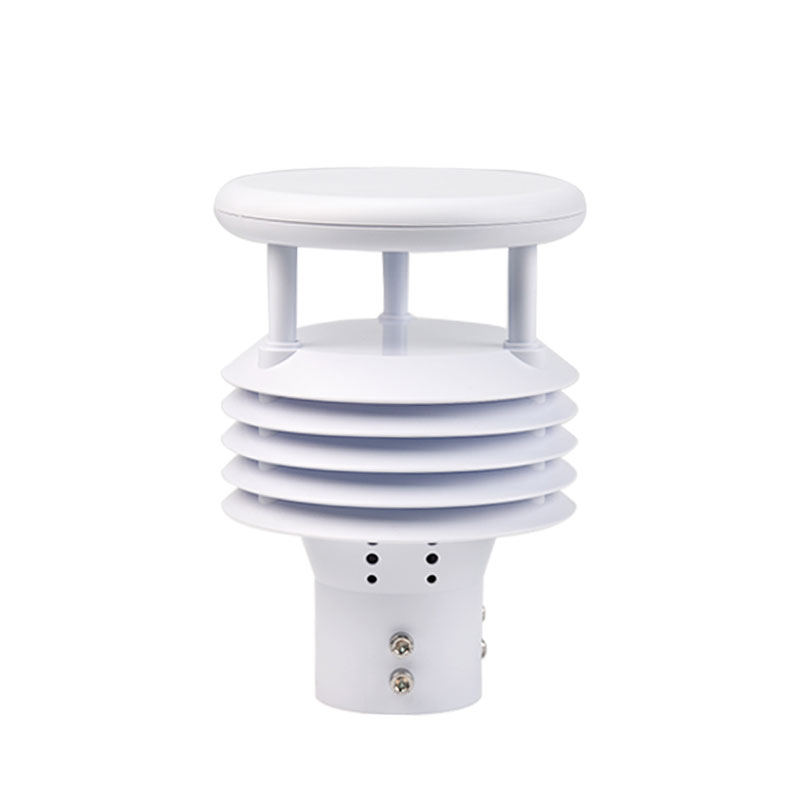
Vehicle-mounted weather instrument is a high-precision meteorological monitoring device designed for mobile platforms such as vehicles and ships. It can measure environmental temperature, relative humidity, wind speed, wind direction, atmospheric pressure, and piezoelectric rainfall data in real time.
Vehicle-mounted weather instrument is a meteorological data acquisition system specifically designed for mobile observation platforms. It integrates multiple sensors to continuously and in real-time measure six key meteorological elements—environmental temperature, relative humidity, wind speed, wind direction, atmospheric pressure, and precipitation—on moving carriers such as vehicles and ships. The system combines precision sensing technology with dynamic environment compensation algorithms to ensure the accuracy and reliability of data acquired under complex mobile conditions.
The core of the device is a highly integrated sensor group and data acquisition unit. Temperature measurement typically uses platinum resistance or digital temperature chips, while humidity measurement is based on capacitive sensing principles. Ultrasonic sensors are often used for wind speed and direction monitoring because they have no moving parts, making them more adaptable to airflow effects caused by high-speed movement and allowing for rapid response to wind direction changes. Atmospheric pressure is obtained from silicon piezoresistive or capacitive pressure sensors. Precipitation monitoring relies on piezoelectric rain gauges, which infer rainfall intensity and cumulative amount by sensing the vibration signals of raindrops impacting the sensor. The signals from all sensors are processed synchronously by a central data acquisition unit and integrated with GPS positioning, time, and attitude information from the platform itself to geographically tag and motion-compensate the data.
To adapt to the special working environment of mobile platforms, Vehicle-mounted weather instrument has several key technical features. Its structural design is compact and robust, usually employing a low-drag profile to minimize aerodynamic impact on the carrier and ensure secure mounting and resistance to long-term vibration. The power supply system is compatible with standard vehicle power sources. Most importantly, the device incorporates advanced dynamic algorithms to eliminate interference from the carrier's own motion (such as vehicle speed, heading changes, pitch, and roll) on wind speed, wind direction, and rainfall measurements, thus isolating the true environmental meteorological signals. The device offers a variety of data output interfaces, supporting real-time wireless transmission to in-vehicle display terminals or remote monitoring centers, and also allowing for local storage.
In practical applications, Vehicle-mounted weather instrument greatly expands the spatial flexibility and spatiotemporal resolution of meteorological observations. In the meteorological field, it is installed on special observation vehicles for typhoon tracking, on-site investigation of hazardous weather events, intensified observation of weather processes, and mobile monitoring in areas lacking meteorological data, effectively supplementing the shortcomings of fixed station networks. In environmental monitoring, environmental protection departments use it for mobile observation of atmospheric pollutants, and simultaneously analyze pollution diffusion conditions in conjunction with meteorological parameters. In the transportation industry, it can provide detailed real-time wind, rain, temperature, and humidity information along highways, railways, and ports, serving traffic safety warnings and management decisions. Furthermore, in numerous fields such as agricultural research, forestry surveys, oceanographic research, and military support, Vehicle-mounted weather instrument has become standard equipment for acquiring on-site environmental data.
When selecting and using Vehicle-mounted weather instrument, key considerations include its dynamic measurement accuracy, sensor response time, overall protection level, and ease of integration with mobile platforms. Routine maintenance requires ensuring the cleanliness of the sensor probes, especially the piezoelectric rain gauge surface and ultrasonic transducer surface, and conducting regular static field comparison calibrations. The widespread application of this device marks a significant technological advancement in meteorology and environmental monitoring, shifting from static network deployment to dynamic sensing, and from fixed-point data to streaming data, providing strong data support for environment-based analysis and decision-making across various industries.
Based on the forward scattering method, Visibility and Present Weather Sensor calculates visibility by measuring the total extinction coefficient of air, and can identify various weather types such as fog, rain, snow, mixed precipitation, and clear skies. The instrument features an aluminum ca...
Negative oxygen ion monitoring stations function to real-time capture and transmit negative oxygen ion data in the air. Through "on-site display + remote viewing," they convert the originally invisible and intangible negative oxygen ion concentration into intuitive data, allowing managers...
Methane, as the main component of natural gas, is widely used in industrial production and urban gas supply. However, its colorless, odorless, flammable and explosive properties make methane leakage a major safety hazard. The handheld Laser methane telemeteris mainly used for long-distance mea...
Shandong Fengtu IoT Technology Co., Ltd., established in 2017 and located in Weifang High-tech Zone, has launched the FT-SQ2 handheld anemometer, weighing approximately 0.5 kg. It measures both wind speed and direction, with a data storage capacity of 40,000 records. The suggested retail price...


 Skype
Skype
 whatsapp
 mail
mail