Tianyi Sensor IOT Technology Co., Ltd
Sales Manager:Ms. Emily Wang
Cel,Whatsapp,Wechat:+86 15898932201
Email:info@fengtutec.com
Add:No. 155 Optoelectronic Industry Accelerator, Gaoxin District, Weifang, Shandong, China


Sales Manager:Ms. Emily Wang
Cel,Whatsapp,Wechat:+86 15898932201
Email:info@fengtutec.com
Add:No. 155 Optoelectronic Industry Accelerator, Gaoxin District, Weifang, Shandong, China
time:2026-03-05 11:02:39 source:Weather Station viewed:293 time
Employing 24GHz Doppler radar technology, the radar rain gauge measures the falling velocity of raindrops through a small flat-panel radar module. It can distinguish between rain, snow, and hail, as well as rainfall intensity. With no moving parts and requiring no maintenance, it is suitable for monitoring in various scenarios.
At its core, the radar rain gauge incorporates an advanced small flat-panel radar module using 24GHz Doppler radar technology. Its core working principle involves monitoring the falling velocity of raindrops and combining this with the droplet size to accurately distinguish between precipitation type and intensity, without the need for complex mechanical structures.
This device can clearly distinguish between rain, snow, and hail, while accurately detecting rainfall intensity and capturing real-time changes in precipitation. It provides accurate precipitation data for various monitoring tasks, avoiding monitoring errors caused by misjudgment of precipitation type and meeting the precipitation monitoring needs of different scenarios.
Its significant advantages include no moving parts and requires no maintenance, reducing the need for frequent component inspections and maintenance, greatly lowering long-term operating costs, and ensuring long-term stable operation. Simultaneously, its compact size and low energy consumption require minimal installation space and reduce power supply burden, making it adaptable to various installation environments and facilitating flexible deployment.
The radar rain gauge has a clearly defined application scope, suitable for scenarios such as meteorological stations, smart cities, and flood control monitoring. At meteorological stations, it can assist in routine precipitation monitoring, providing basic data for weather forecasting and climate analysis. In smart city construction, it can be integrated into urban monitoring systems to support urban water resource management and disaster prevention.
In the field of flood control monitoring, it can monitor precipitation intensity and type in real time, providing timely feedback on extreme precipitation conditions such as heavy rain and hail, offering reliable support for flood control decision-making and reducing the impact of floods. The device is easy to operate, simple to install and debug, requires no full-time professional technicians, and can achieve automated monitoring with stable data transmission. It meets both short-term precipitation monitoring needs and is adaptable to long-term continuous monitoring scenarios, making it a practical device in the field of precipitation monitoring.
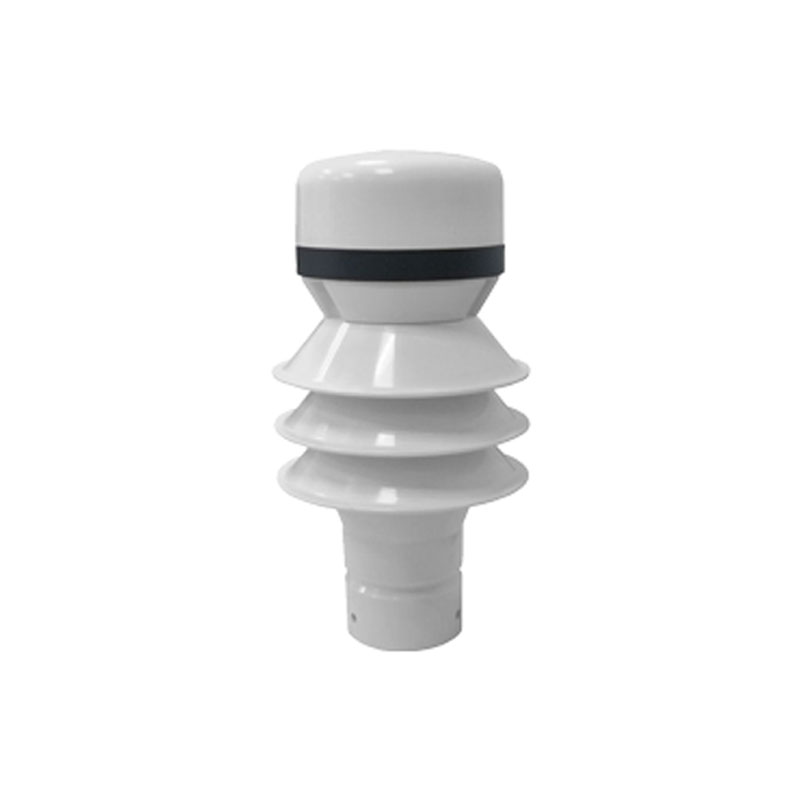
Based on the principle of aerosol forward scattering, the instrument calculates the extinction coefficient and then derives the visibility value by measuring the intensity of infrared light scattered by atmospheric particles. It has a range of 10km, is equipped with dual power supply (battery...
Shandong Fengtu offers three 3D ultrasonic anemometers: the FT-SWF1 aluminum alloy model (16,000 yuan), the FT-SWF2 stainless steel model (18,000 yuan), and the FT-F1H drone model (8,800 yuan). All models utilize the ultrasonic time-of-flight method, have no mechanical rotating parts, and meas...
Utilizing the forward-scattering method to measure the total atmospheric extinction coefficient and accurately calculate ambient visibility, this weather phenomenon sensor automatically identifies various weather conditions—such as fog, rain, and snow. Designed for outdoor applications like r...
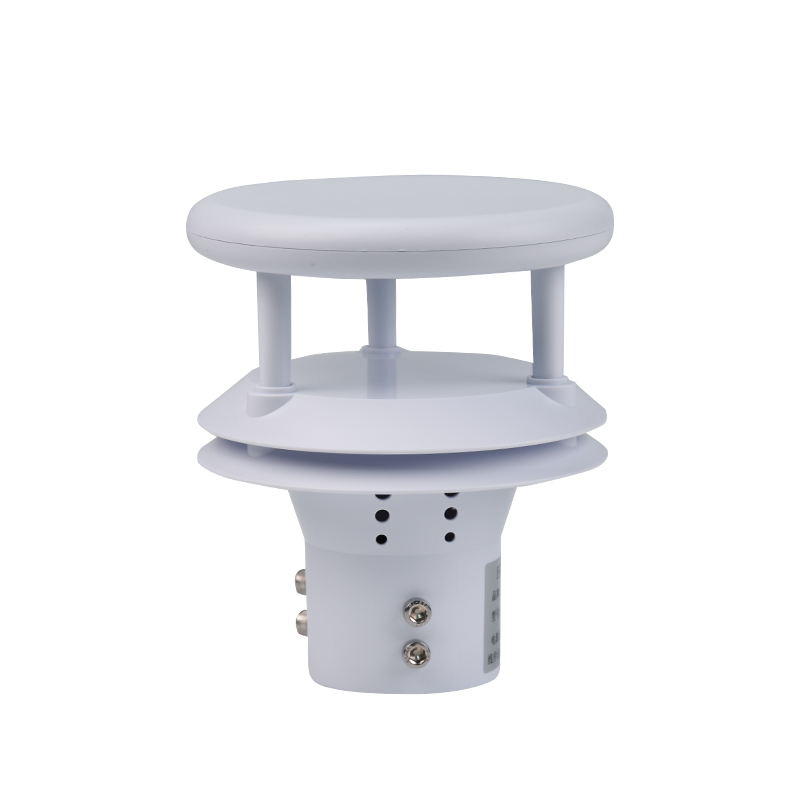
The FT-WQX6 Micro Weather Sensor is a multi-functional automatic weather station developed by our company, leveraging years of experience in meteorological product development and addressing practical on-site application requirements. It directly integrates six key meteorological elements: temperatu...


 Skype
Skype
 whatsapp
 mail
mail