Tianyi Sensor IOT Technology Co., Ltd
Sales Manager:Ms. Emily Wang
Cel,Whatsapp,Wechat:+86 15898932201
Email:info@fengtutec.com
Add:No. 155 Optoelectronic Industry Accelerator, Gaoxin District, Weifang, Shandong, China


Sales Manager:Ms. Emily Wang
Cel,Whatsapp,Wechat:+86 15898932201
Email:info@fengtutec.com
Add:No. 155 Optoelectronic Industry Accelerator, Gaoxin District, Weifang, Shandong, China
time:2026-06-30 10:46:54 source:Weather Station viewed:45 time
Based on the principle of aerosol forward scattering, the instrument calculates the extinction coefficient and then derives the visibility value by measuring the intensity of infrared light scattered by atmospheric particles. It has a range of 10km, is equipped with dual power supply (battery and adapter), and has an operating time of at least 12 hours. It is suitable for emergency response, road traffic, and meteorological scenarios.
This visibility testing instrument is a new generation of meteorological visibility monitoring equipment based on the principle of aerosol forward scattering, representing a mainstream measurement technology developed after the transmission detection principle. The instrument determines the atmospheric extinction coefficient by measuring the intensity of infrared light scattered by suspended particulate matter in the atmosphere, and then calculates the current visibility value. The instrument consists of a light emitter, a light receiver, and a microprocessor controller. The emitter emits infrared light pulses to illuminate the atmosphere in the sampling space, and the receiver detects the intensity of forward scattered light from aerosol particles in the atmosphere. All measurement information is collected by the microprocessor and converted into visibility values using an algorithm.
In terms of technical parameters, the visibility testing instrument has a visibility range of 10km and a resolution of 1m. The measurement error is no more than ±2% within ≤2km, no more than ±5% within 2km to 10km, and no more than ±10% beyond 10km. The repeatability error is no more than 4%. The instrument operates in temperatures ranging from -20 to 60℃ and in humidity from 0 to 100%RH. For power supply, the device comes standard with a 100-240V input, 24V output, 2.5A power adapter, and also has a built-in 6.6AH battery. The total power consumption is less than 10W, and it can operate continuously for at least 12 hours on battery power. The overall dimensions of the device are 300×150×220mm, and the weight is no more than 10kg.
The visibility testing instrument has practical value in emergency monitoring scenarios. When a sudden event occurs or temporary visibility observation is needed, the instrument can be quickly deployed to a designated location, obtaining on-site visibility data without relying on fixed observation stations. In the field of road traffic, this instrument can be used for visibility monitoring on key road sections such as highways and national and provincial roads, helping traffic management departments to promptly grasp the occurrence of low-visibility weather such as fog and haze. In the field of meteorological observation, the instrument can serve as a supplementary device to fixed visibility observation stations for temporary observation points or mobile observation missions. The instrument has a compact structure and is equipped with a portable case, making it easy to move and set up between different observation points. The data output interface supports connection to external terminals, enabling real-time reading of current visibility values, meeting the basic needs of on-site monitoring and data recording.
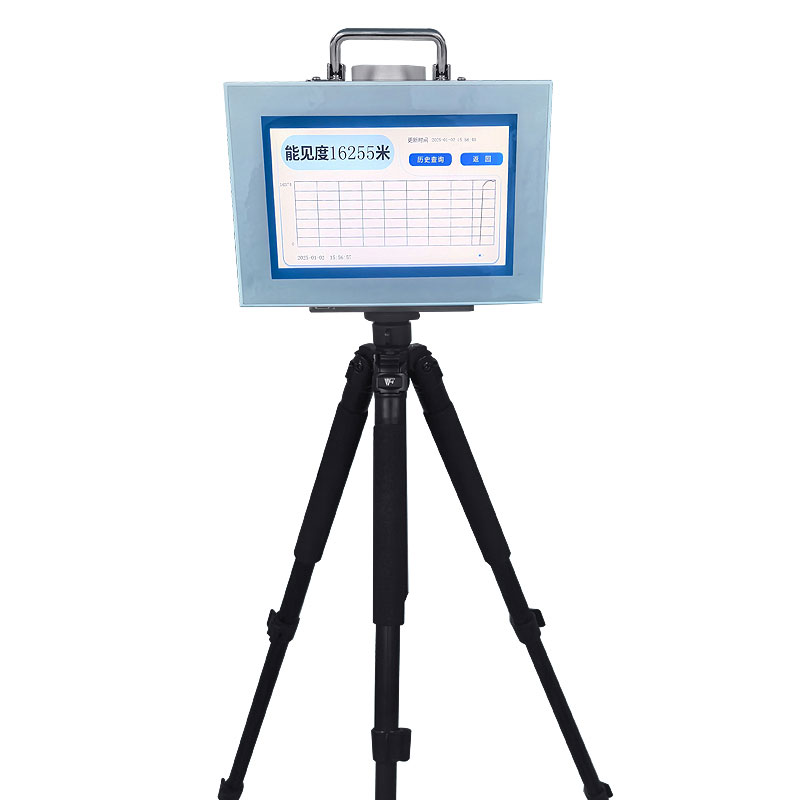
The visibility meter uses the forward scattering method to calculate the total extinction coefficient of air, accurately acquiring atmospheric visibility data. The device is portable, durable, and features storable and transferable data, stable operation, and is suitable for atmospheric monito...
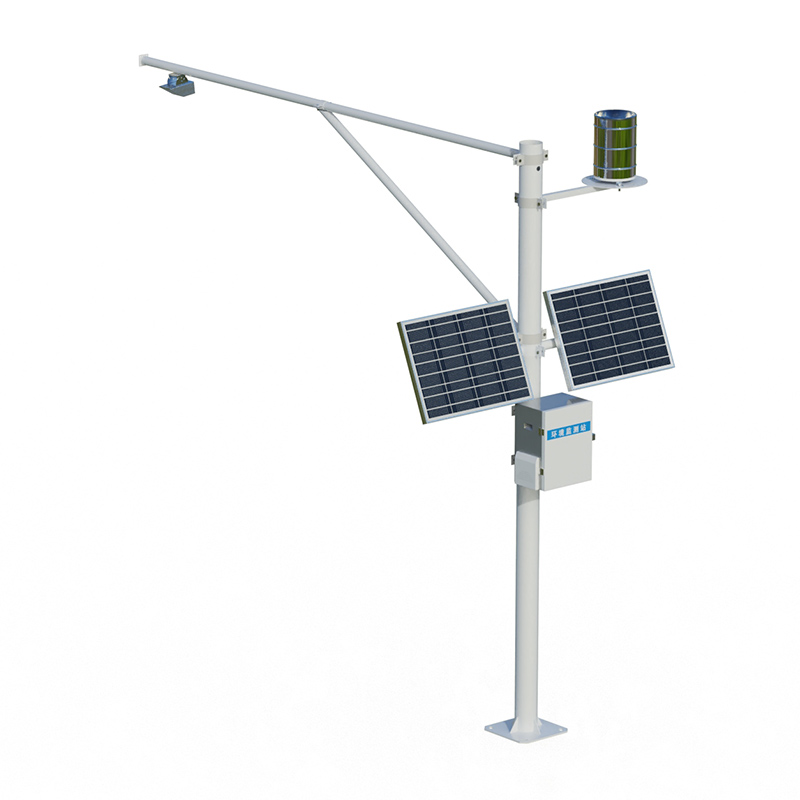
Meteorological equipment includes surface-based meteorological observation instruments and upper-air meteorological sounding instruments, used for weather forecasting, climate research, and environmental management. Highly integrated small-scale automatic meteorological observation equipment e...
Weighing Rain Gauge is based on weighing principle technology, utilizing high-precision sensors to real-time measure the pressure change of precipitation on the receiving container, thereby accurately calculating precipitation intensity. It can measure both liquid and solid precipitation, as well as mixed solid-liquid precipitation, suitable for long-term automatic monitoring needs in hydrology, meteorology, forestry, and other departments....
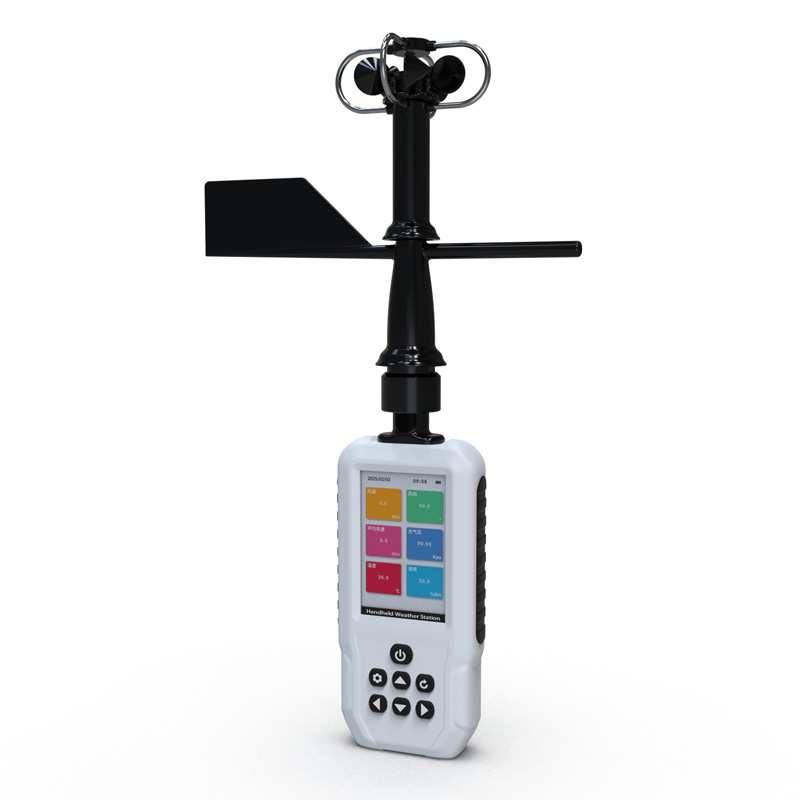
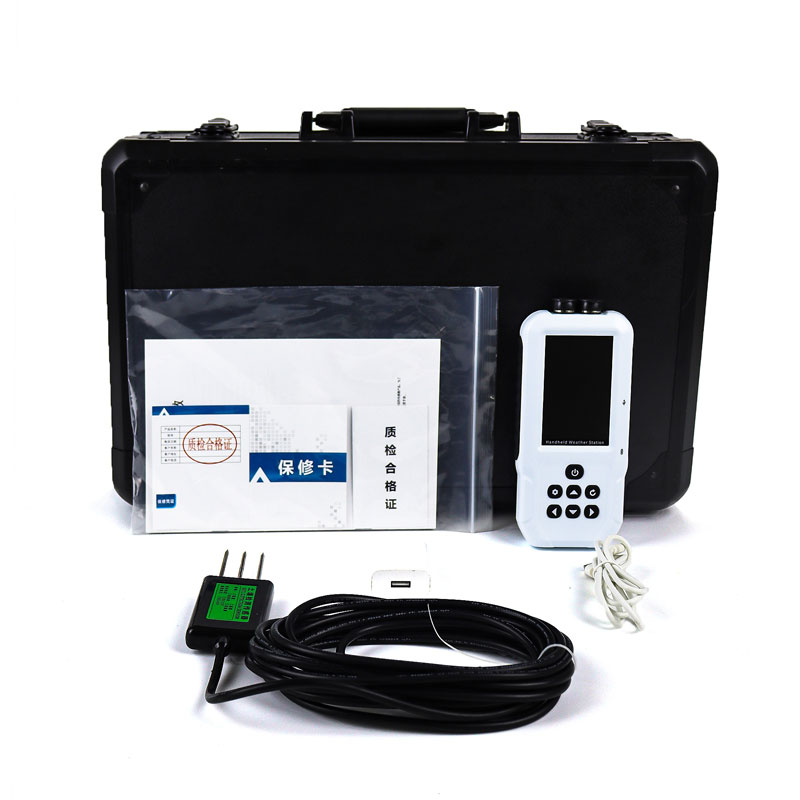
In meteorological observation work, the Portable Weather Station has become a commonly used device among practitioners, relying on its three core features: "portability, reliability, and accuracy". Its performance and practicality are widely recognized, enabling it to meet the monitoring n...


 Skype
Skype
 whatsapp
 mail
mail