Tianyi Sensor IOT Technology Co., Ltd
Sales Manager:Ms. Emily Wang
Cel,Whatsapp,Wechat:+86 15898932201
Email:info@fengtutec.com
Add:No. 155 Optoelectronic Industry Accelerator, Gaoxin District, Weifang, Shandong, China


Sales Manager:Ms. Emily Wang
Cel,Whatsapp,Wechat:+86 15898932201
Email:info@fengtutec.com
Add:No. 155 Optoelectronic Industry Accelerator, Gaoxin District, Weifang, Shandong, China
time:2026-05-27 11:06:22 source:Weather Station viewed:174 time
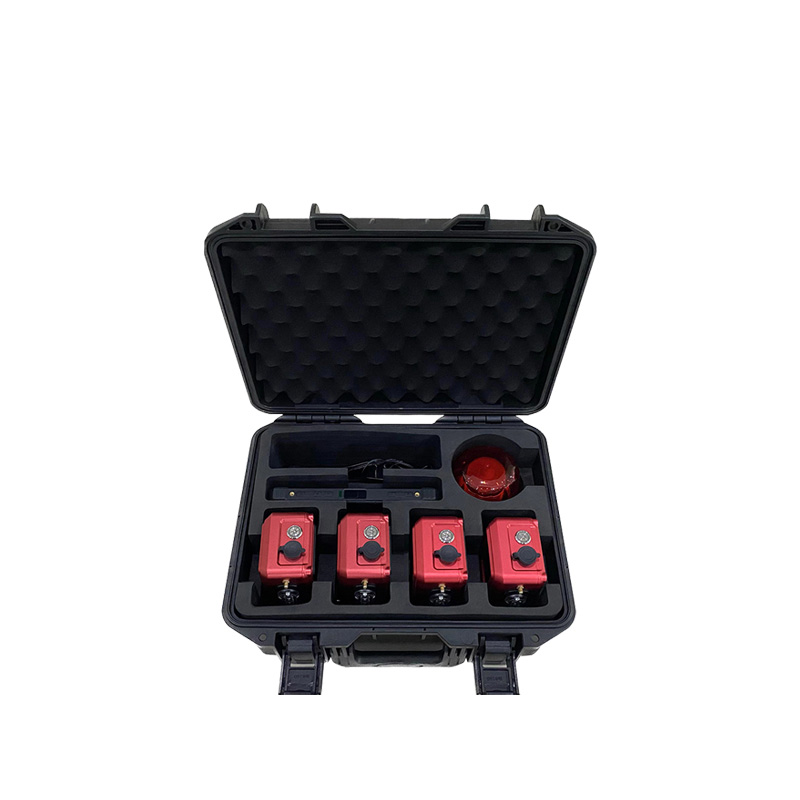
The earthquake rescue safety monitoring instrument consists of a control terminal, an aftershock monitor, and an audible and visual alarm. It uses a triaxial tilt sensor to monitor real-time angular changes in walls, beams, and other structural elements with an accuracy of 0.1°. When a threshold is exceeded, an audible and visual alarm is triggered to ensure the safe evacuation of rescue personnel.
The earthquake rescue safety monitoring instrument is a safety early warning device specifically designed for disaster relief sites such as earthquakes, building collapses, and explosions. It is used to monitor minute displacements and vibration changes in structures in real time, issuing warnings before secondary disasters occur to ensure the safety of rescue personnel. After an earthquake, the walls, beams, and concrete structures of damaged buildings are in an unstable state. Any slight shift caused by subsequent aftershocks or rescue operations could lead to structural collapse. The core value of this device lies in converting imperceptible structural changes into quantifiable data, triggering early warnings before risks escalate.
The entire system mainly consists of three parts: a control terminal, an aftershock monitor, and an audible and visual alarm. The aftershock monitor integrates a three-axis tilt sensor, which can be installed on the surface of the monitored object, such as tilted buildings, glass, building beams, concrete walls, and metal tanks. Deployment is achieved quickly using a mounting bracket or magnetic suction cup. The device uses a magnetic base for adhesion, allowing the sensor to be firmly fixed to metal structures without tools on-site. For non-metallic surfaces, it can be fixed using other accessories. The sensor detects the angular changes of the object in the X, Y, and Z axes in real time, transmitting the tilt data wirelessly to the control terminal. The measurement range covers 360 degrees in three dimensions, with a resolution of 0.01 degrees and a measurement accuracy of 0.1 degrees. Some models also employ harmless laser detection technology to achieve non-contact, high-precision displacement measurement, capturing subtle deformations that are difficult to detect with traditional sensors. When the angular change detected by the sensor exceeds the user-set alarm threshold, the device immediately triggers an alarm response. The alarm threshold can be set via the touchscreen or buttons on the control terminal, supporting fixed levels and arbitrary value adjustments in 0.1-degree increments. The alarm threshold range covers 0.1 degrees to 60 degrees, allowing users to adjust the alarm sensitivity according to the actual stability of the on-site structure. The control terminal uses a full-color LCD screen with a diagonal size of no less than 8.5 cm, displaying at least five colors and a resolution of no less than 320 x 480. Users can operate via the touchscreen or use physical buttons for settings; the physical buttons ensure reliable operation when wearing rescue gloves. The main unit has built-in photo and video recording functions, displaying real-time images of monitored objects on the screen and saving them as pictures or videos, facilitating remote observation of the structure's appearance by rescue command personnel. The display screen can simultaneously show the battery level, angle, and vibration values of each monitor, its connection status with the main unit, and alarm status, providing clear and concise data. The audible and visual alarm is a crucial output component for transmitting early warning information to on-site personnel. It has at least eight alarm LED flashlights, and the alarm sound intensity is no less than 110 decibels, sufficient to penetrate the environmental noise generated by heavy machinery operations. When the tilt angle data of a monitor exceeds the alarm threshold, the main unit and the alarm simultaneously emit audible and visual signals, notifying on-site personnel to evacuate immediately or take appropriate measures. The equipment also features a one-click search function. If the tilt monitor is covered by rubble or lost, the user can send a command through the main unit to have all monitors simultaneously emit audible and visual signals, quickly locating the device within the rubble.
Regarding power supply and communication, the aftershock monitor has a built-in high-capacity rechargeable lithium battery, providing at least 12 hours of continuous operation on a single charge. The audible and visual alarm has a standby time exceeding 65 hours. All devices communicate wirelessly, with a communication distance of at least 550 to 600 meters in open, interference-free areas. The control terminal supports BeiDou positioning, displaying the real-time coordinates of the device's location. It is suitable for various emergency scenarios such as earthquake rescue, building collapse search and rescue, landslide monitoring, and fire operations. The protection level reaches IP67, and the operating temperature range covers -25°C to 60°C, ensuring stable operation in both extremely cold and high-temperature environments.
Dust pollution refers to an open-air pollution phenomenon where ground dust is blown into the atmosphere by wind, human activities, or other factors. In ambient air, it is a component of total suspended particles (TSP) and poses a severe threat to atmospheric environmental quality. There are various...
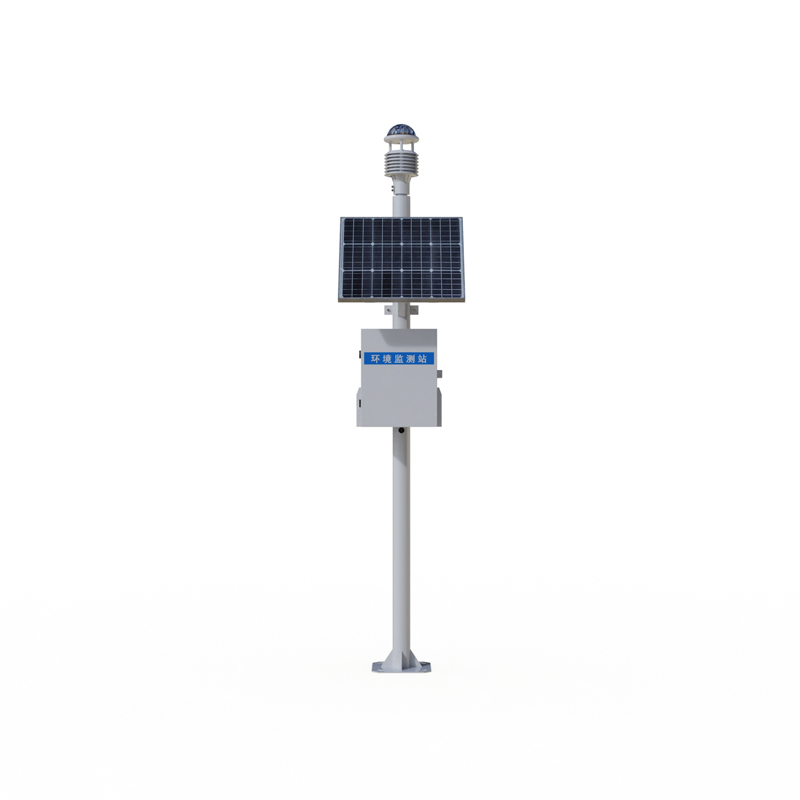
A miniature sensor is a highly integrated meteorological monitoring device. By integrating multiple miniaturized sensors and processing units, it can realize real-time monitoring and data collection of multiple meteorological elements. The device typically integrates core components such as temperat...
With the advancement of environmental science research toward refinement, traditional large-scale air monitoring stations suffer from low distribution density and limited coverage, making it difficult to capture air quality differences in small-scale areas such as urban functional zones and around p...
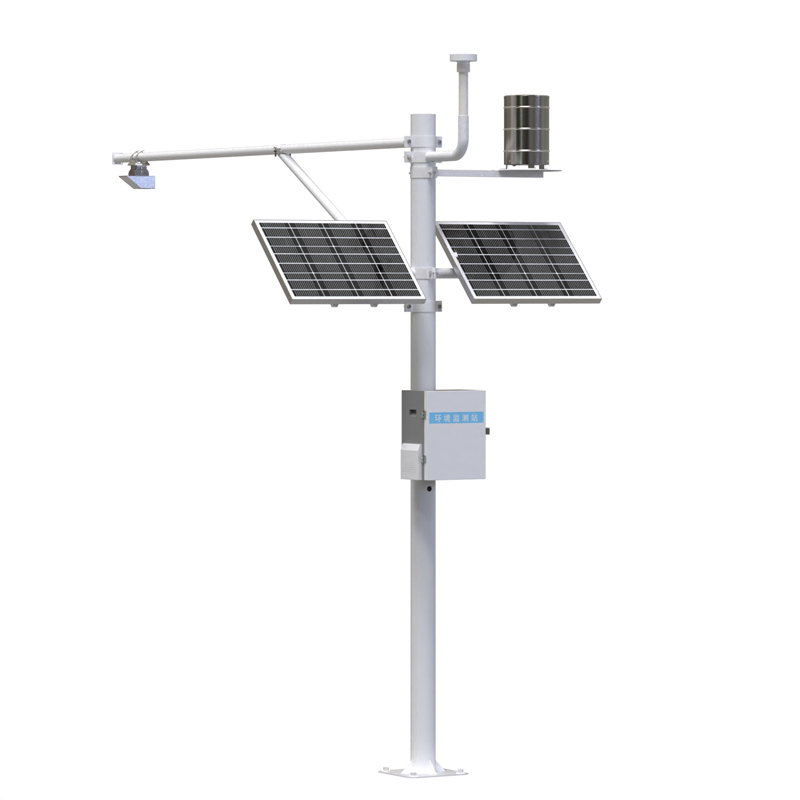
The rain and water conditions refer to the changes in hydrological elements such as rainfall, river and reservoir water levels, and flow rates within a region. They serve as important bases for flood control and disaster reduction as well as water resource management. Measuring the rain and water co...


 Skype
Skype
 whatsapp
 mail
mail