Tianyi Sensor IOT Technology Co., Ltd
Sales Manager:Ms. Emily Wang
Cel,Whatsapp,Wechat:+86 15898932201
Email:info@fengtutec.com
Add:No. 155 Optoelectronic Industry Accelerator, Gaoxin District, Weifang, Shandong, China


Sales Manager:Ms. Emily Wang
Cel,Whatsapp,Wechat:+86 15898932201
Email:info@fengtutec.com
Add:No. 155 Optoelectronic Industry Accelerator, Gaoxin District, Weifang, Shandong, China
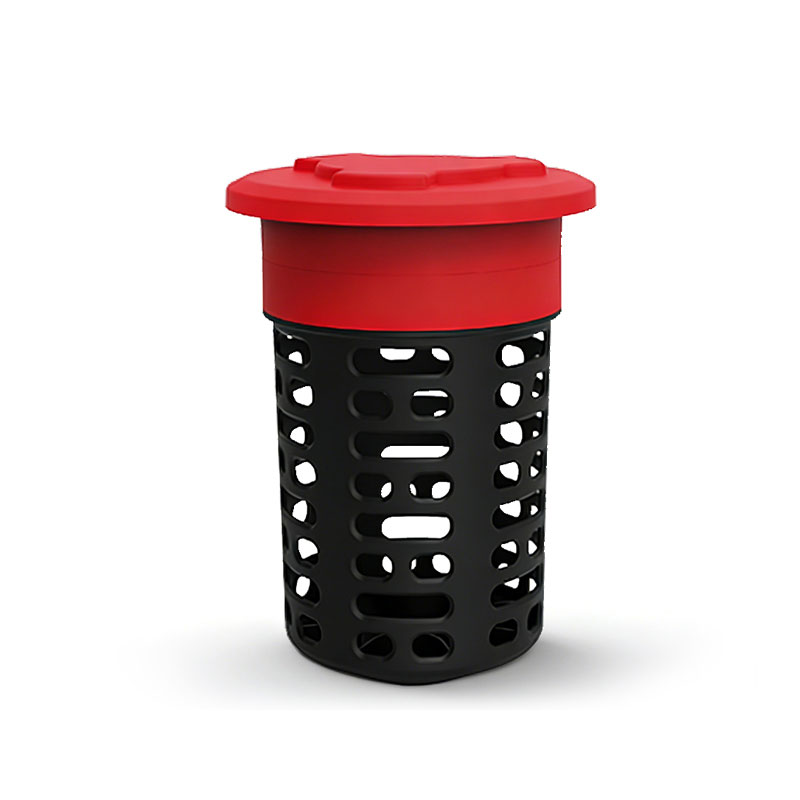
Model:FT-BY2L
Brand:tianyi
1、Termite Baiting Systems Product Applications
Termite Baiting Systems are used as termite traps placed on or above the ground around the home and can be trusted to eliminate termite activity.This product provides real-time monitoring of termite activity, enabling early warning and precise detection. It also records and analyzes data, supports remote monitoring, allowing managers to stay informed at all times. Furthermore, it can be used to evaluate the effectiveness of control measures, providing strong support for scientific termite control. It is widely used in water conservancy dams, building construction, historical building preservation, and landscaping.
2、Termite Baiting Systems Product Features
This system utilizes a comprehensive approach combining loop technology, proprietary network communication technology, and internet technology, resulting in a highly sensitive termite monitoring and early warning system.
Unlike traditional monitoring devices that require manual inspection, this system features non-invasive automatic termite detection, automatically uploading detection results daily. The backend management platform immediately displays the detection results.
The monitoring accuracy rate exceeds 95%.
All components are modular in design, allowing for independent operation and easy replacement of individual parts during operation.
The monitoring device's casing and internal frame are made of a composite resin-nylon material, and the sensing electronic module is sealed to IP68 standards. This provides excellent corrosion resistance, ensuring reliable operation in various soil environments, including humid and acidic conditions.
3、Termite Baiting Systems System Components
The system consists of several parts: a monitoring device housing module, a lure and triggering module, a signal acquisition module, an information processing and transmission module, a database, PC-based management software, and a WeChat mini-program.
4、Termite Baiting Systems Device Analysis
Information Box: IP68 rated encapsulated circuit board
Information Stick: Termite information collection wood made from pine wood.
Carbon Wire: Waterproof carbon material coated onto the information stick. When termites gnaw on the wood, they corrode the information stick, triggering an alarm.
5、Termite Baiting Systems Technical Specifications
Communication Module: LoRa
Dimensions: 14cm x 14cm x 22cm
Inner Core Material: Dried pine wood, drying grade 1, 12 pieces of pine wood per device
Outer Casing Material: Anti-aging and environmentally friendly material, top cover with locking function and anti-theft design
Operating Temperature: -20°C to 80°C
Operating Humidity: >80%
Monitoring and Alarm Accuracy Rate: ≥95%
Monitoring False Alarm Rate: <5%
Outer Casing UV Aging Resistance: ≥Grade 4
Outer Casing Tensile Strength: ≥80MPa
Outer Casing Bending Strength: ≥100MPa
Outer Casing Impact Strength: ≥15KJ/㎡
Protection Rating: IP68
Battery Life: ≥5 years
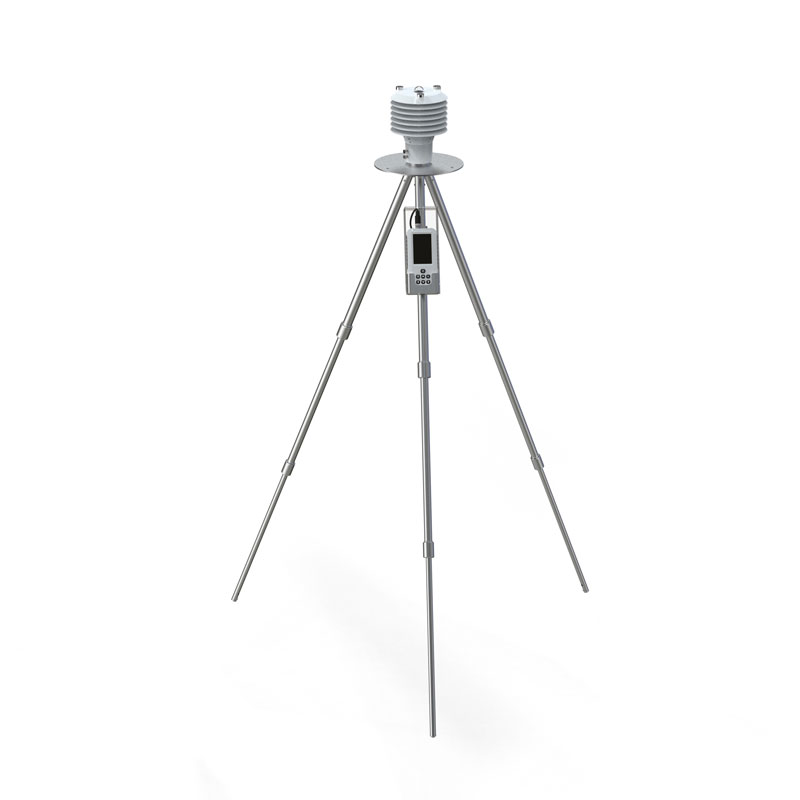
Meteorological and Environmental Monitoring Equipment is a highly integrated, low-power automated weather observation system capable of real-time monitoring of wind speed and direction, temperature and humidity, atmospheric pressure, optical rainfall, PM2.5, PM10, and various gaseous pollutant...
Precision Snow/Rain Gauge The FT-YX2 employs the weighing method to measure all types of precipitation, capable of monitoring liquid, solid, and mixed solid-liquid forms. It features a measurement range of 0–1500 mm, a resolution of 0.01 mm, a maximum measurement error of ±0.1 mm, and an ope...
Geological disaster monitoring and early warning system consists of a control terminal host, displacement monitor, tilt monitor, telescopic sight, tripod, charger, and waterproof and shockproof packaging. The displacement monitor can be set with 9 fixed alarm values from 5 to 100mm via shortcu...
Precision Snow/Rain Gauge is capable of monitoring all types of precipitation—including liquid, solid, and mixed solid-liquid phases. It features a real-time precipitation intensity measurement range of 6 to 1800 mm/h and a cumulative precipitation range of 0.2 to 1500 mm, with an RS485 inter...


 Get a Free Quote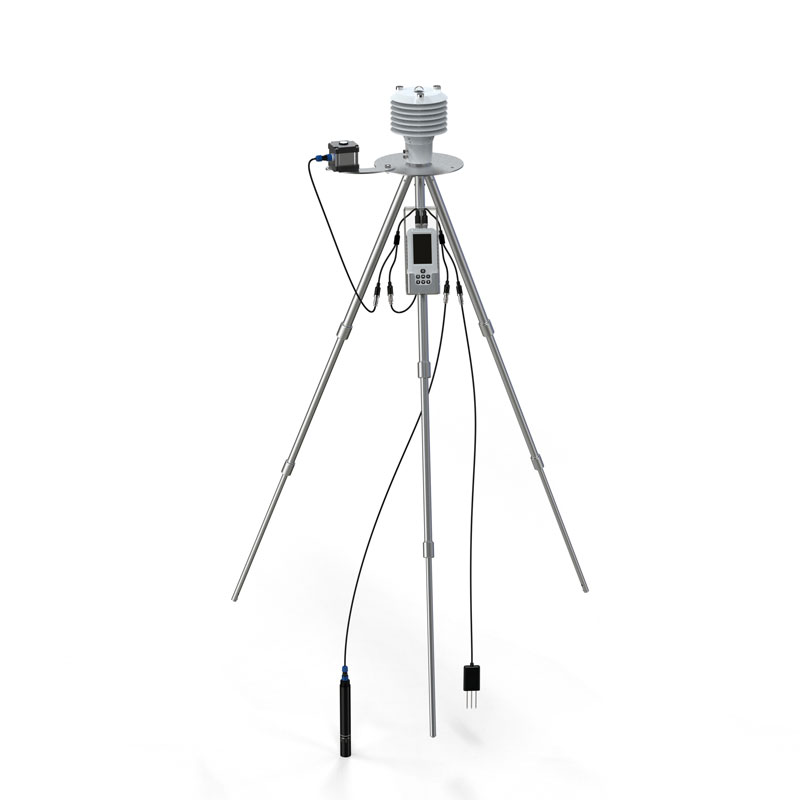
 Skype
Skype
 whatsapp
 mail
mail