Tianyi Sensor IOT Technology Co., Ltd
Sales Manager:Ms. Emily Wang
Cel,Whatsapp,Wechat:+86 15898932201
Email:info@fengtutec.com
Add:No. 155 Optoelectronic Industry Accelerator, Gaoxin District, Weifang, Shandong, China


Sales Manager:Ms. Emily Wang
Cel,Whatsapp,Wechat:+86 15898932201
Email:info@fengtutec.com
Add:No. 155 Optoelectronic Industry Accelerator, Gaoxin District, Weifang, Shandong, China
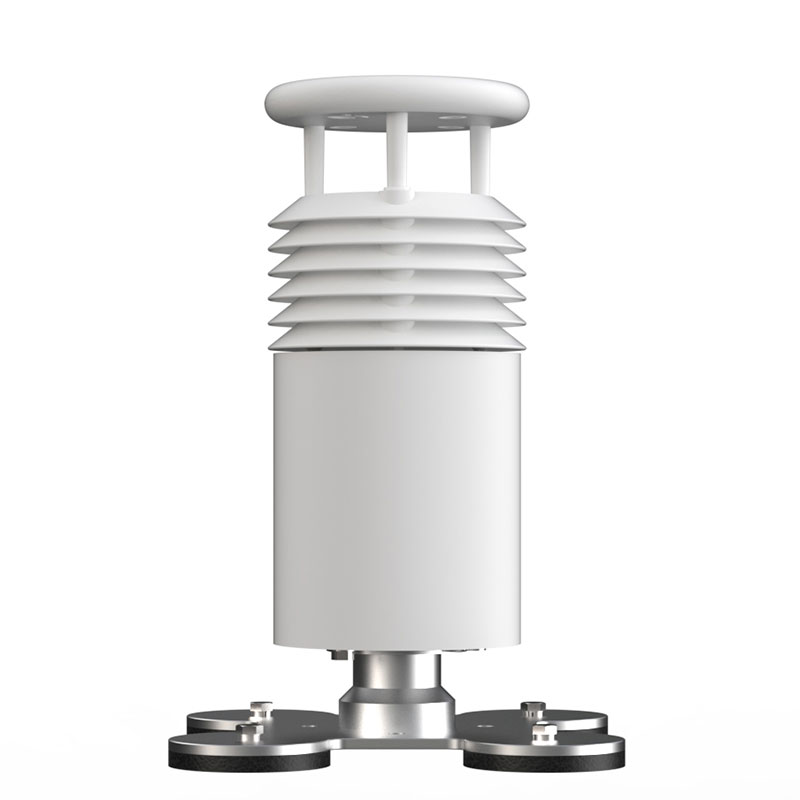
Model:FT-CZ5
Brand:tianyi
1.Introduction to Vehicle Meteorological Sensor Products
Vehicle Meteorological Sensor is an all-in-one sensor with ultrasonic wind direction and speed measurement for measuring and monitoring meteorological elements.Vehicle Meteorological Sensor is a highly integrated, low-power, fast installation and easy to monitor mobile.
It is widely used in meteorology, agriculture and forestry, environmental protection, ocean, airport, port, scientific investigation, campus education and other fields.
The equipment adopts a five-element integrated sensor, which can conduct real-time observation of meteorological elements such as wind speed, wind direction, air temperature, humidity, and atmospheric pressure.The sensor shell is made of imported Stainless steel material, which is more effective in resisting salt spray and other environments, and has a protection level of more than IP65.
The standard 485-to-USB cable can be connected to a laptop or pad to read data directly.Customers can randomly select a pad according to their own situation.
2.Product features of Vehicle Meteorological Sensor
1.The hidden ultrasonic probe on the roof cover can avoid interference from rain and snow accumulation and avoid natural wind shading
2.The principle is to transmit a continuous frequency conversion ultrasonic signal, and the wind speed is detected by measuring the relative phase.
3.The bottom of the equipment is equipped with a high-strength magnet (wrapped with rubber), which can be absorbed on the roof without loss.
4.Shock-absorbing suitcase, easy to carry
5.Built-in electronic compass, automatically find North
6.Beidou and GPS dual-mode positioning, with maximum accuracy of 0.1 meters
3.Technical parameters of Vehicle Meteorological Sensor
1.Wind speed: Ultrasonic principle, 0~60m/s (±0.1m/s), can measure the real wind speed
2.Wind direction: Ultrasonic principle, 0~360° (±2°)
3.Air temperature: measurement principle diode junction voltage method, -40-60℃ (±0.3℃)
4.Air humidity: measurement principle capacitive type, 0-100%RH (±3%RH)
5.Atmospheric pressure: measurement principle piezoresistive type, 300-1100hpa (±0.25%)
6.Data storage: no less than 500,000 pieces;
7.Power consumption: 1.75W
8.Lithium battery: capacity 12000maH, battery life ≥50h
9.Total weight: ≤5kg;
10.Layout time: 1 person, no more than 2 minutes to complete the layout;
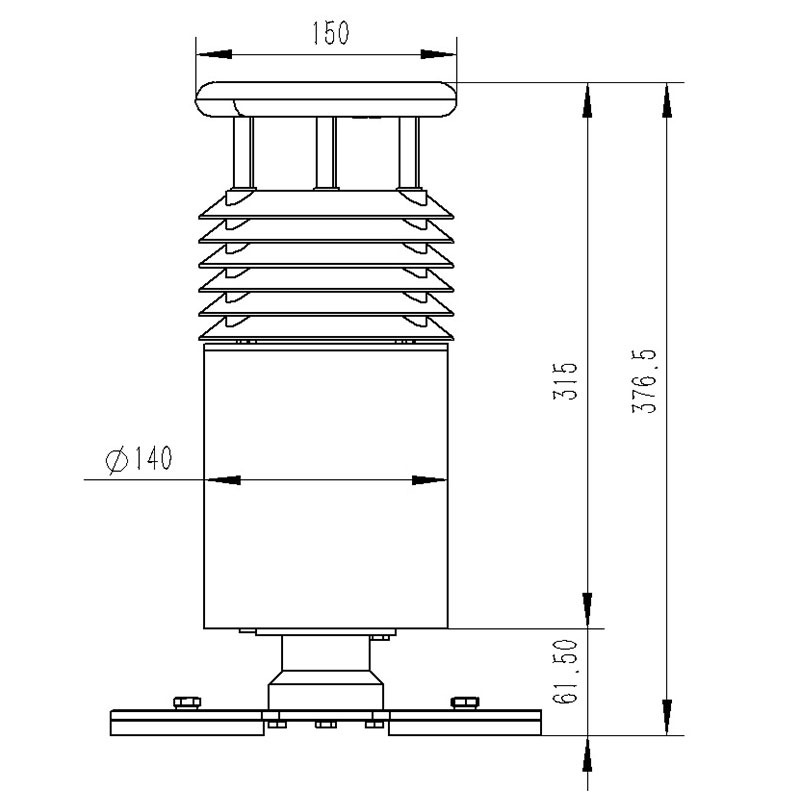
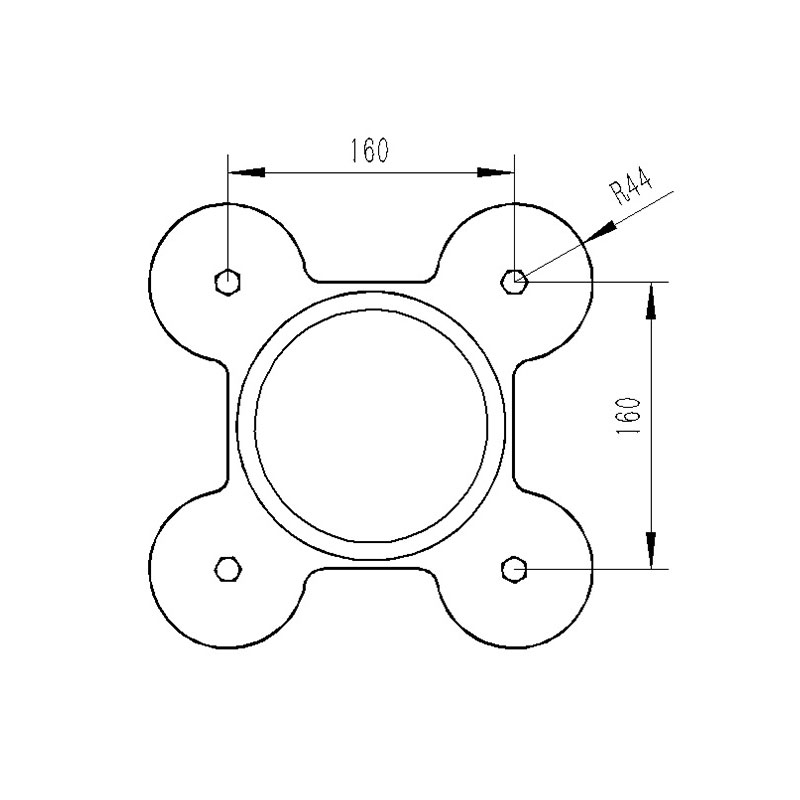
4.Vehicle Meteorological Sensor size diagram
5.Introduction to Vehicle Meteorological Sensor home computer software
1.Software for receiving, storing, viewing and analyzing PC stand-alone version of data
2.Support serial port data reception, processing and display
3.Support json strings, modbus485 and other communication methods
4.You can set the storage time yourself.You can set the acquisition time yourself in modbus485 acquisition mode
5.Support self-service addition, deletion, and modification of monitoring parameters protocols, names, icons, etc.
6.Support data post-processing function
7.Support external running of javascript scripts
Life detection device is an emergency rescue equipment that detects and locates buried survivors using audio and video probes. This device can capture sounds such as shouts and groans emitted by trapped individuals and is used in search and rescue operations at disaster sites such as earthquakes and landslides....
In the complex and unpredictable rescue environment, firefighters often face numerous challenges. Tasks such as underwater rescue and the inspection of waterlogged areas at fire scenes have become difficult aspects of rescue work due to the interference of water bodies and insufficient light. The em...
The visibility meter uses the forward scattering method to calculate the total extinction coefficient of air, accurately acquiring atmospheric visibility data. The device is portable, durable, and features storable and transferable data, stable operation, and is suitable for atmospheric monito...
Hydrological flow monitoring equipment plays a crucial role in water conservancy work, helping us grasp the dynamics of water resources and facilitating flood control, water dispatch, and other tasks. Below is a detailed introduction to common equipment.Water Level Monitoring StationThe battery-powe...


 Get a Free Quote
 Skype
Skype
 whatsapp
 mail
mail