Tianyi Sensor IOT Technology Co., Ltd
Sales Manager:Ms. Emily Wang
Cel,Whatsapp,Wechat:+86 15898932201
Email:info@fengtutec.com
Add:No. 155 Optoelectronic Industry Accelerator, Gaoxin District, Weifang, Shandong, China


Sales Manager:Ms. Emily Wang
Cel,Whatsapp,Wechat:+86 15898932201
Email:info@fengtutec.com
Add:No. 155 Optoelectronic Industry Accelerator, Gaoxin District, Weifang, Shandong, China
time:2026-06-15 10:26:16 source:Weather Station viewed:92 time
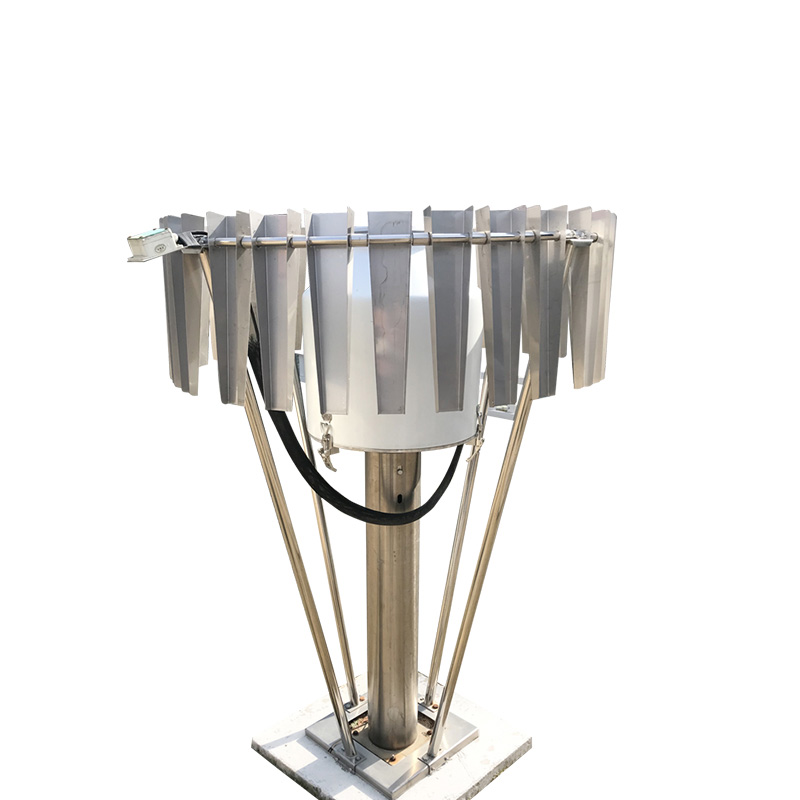
Weighing Rain Gauge uses a C6 high-precision weighing sensor with a full-range accuracy of 0.1mm. Its separate internal and external independent grounding structure, combined with a stainless steel outer protective casing, effectively resists wind interference, making it suitable for monitoring mixed solid and liquid precipitation.
Weighing Rain Gauge is an all-weather precipitation monitoring device based on the principle of high-precision weighing sensing, specifically designed for meteorological stations, hydrological stations, and windy areas such as mountainous regions and open fields. This device uses a C6 high-precision sensor to weigh precipitation and calculate the precipitation amount (water depth) based on water density and catchment area. It can measure any type of solid precipitation, liquid precipitation, and mixed solid-liquid precipitation, achieving a full-range measurement accuracy of 0.1mm. Compared to traditional tipping bucket rain gauges, the Weighing Rain Gauge directly measures precipitation weight based on the weighing principle, fundamentally eliminating the measurement deviation problems caused by splashing and missed measurements in strong winds. The equipment is equipped with a dedicated wind-resistant airflow guiding structure and a streamlined wind-resistant design, effectively reducing wind interference. Even under measured gale-force winds (level 8), the data deviation remains within ±4%, significantly improving measurement accuracy in strong wind environments.
In terms of structural design, Weighing Rain Gauge employs a unique internal and external separation structure. To ensure the vertical stability of the force measurement system, the electronic weighing unit and the external protective casing are independently installed and grounded. The high-strength stainless steel external protective casing resists all external interference, including wind, ensuring the stable and reliable operation of the internal electronic weighing unit. The equipment is installed at a height of 0.7 meters, consistent with the height of a manual observation rain barrel, ensuring continuity of monitoring data with historical observations. Since no windproof ring is required, the equipment does not alter the airflow pattern, resulting in highly representative monitoring data. In terms of technical parameters, the inner diameter of the water inlet is Ø200 (0~+0.06) mm, conforming to WMO standards. The precipitation intensity measurement range is 0~100.00 mm/min with a resolution of 0.01 mm. Real-time cumulative precipitation can be selected in three specifications: 1000 mm, 1500 mm, and 1800 mm. It has a data storage capacity of 14 months for local cyclic storage. The equipment supports both wired RS485 MODBUS protocol and 4G IoT wireless communication for data transmission. The total power consumption is only 0.6W/12V. The operating environment temperature range is -40℃ to +60℃, relative humidity is 0 to 100%RH, and wind resistance reaches level 12.
Weighing Rain Gauge possesses complete self-diagnostic and self-maintenance functions. The equipment integrates a self-testing function, which can automatically monitor for signal damage and component aging in the instrument components; the self-diagnostic function automatically detects the equipment status and locates and alarms for abnormalities; the self-calibration function ensures long-term stable operation without manual calibration; and the self-recovery function can automatically restore the equipment to a standard state after external factors cause operational abnormalities. The rain collector inlet features a built-in intelligent heating system. When the temperature is too low or the snow accumulation reaches a certain threshold, the system automatically activates the intelligent heating module to melt solid precipitation into liquid water for metering before discharge, ensuring the real-time accuracy and reliability of measurements in harsh winter conditions such as blizzards and frosts. In terms of power supply, the equipment supports AC/DC complementary power supply modes and can be connected to mains power or solar power systems. The inlet heating power is 50W (peak), and it is equipped with full protection and lightning protection measures. This equipment is widely used in various scenarios, including long-term continuous monitoring of precipitation at national meteorological stations, accurate calculation of river runoff by hydrological departments, rain and snow weather warnings along highways and railways, winter snow removal scheduling at airports, crop water requirement assessment in agriculture, and urban flood monitoring. It provides continuous and reliable measured precipitation data for meteorological data analysis, hydrological model calculations, and disaster early warning.
Piezoelectric Rain Gauge employs a PVDF piezoelectric film as its rain-sensing element, utilizing an embedded AI neural network to distinguish rain droplet signals and prevent false triggers caused by interference from grit, dust, vibration, and similar factors. The device features a completel...
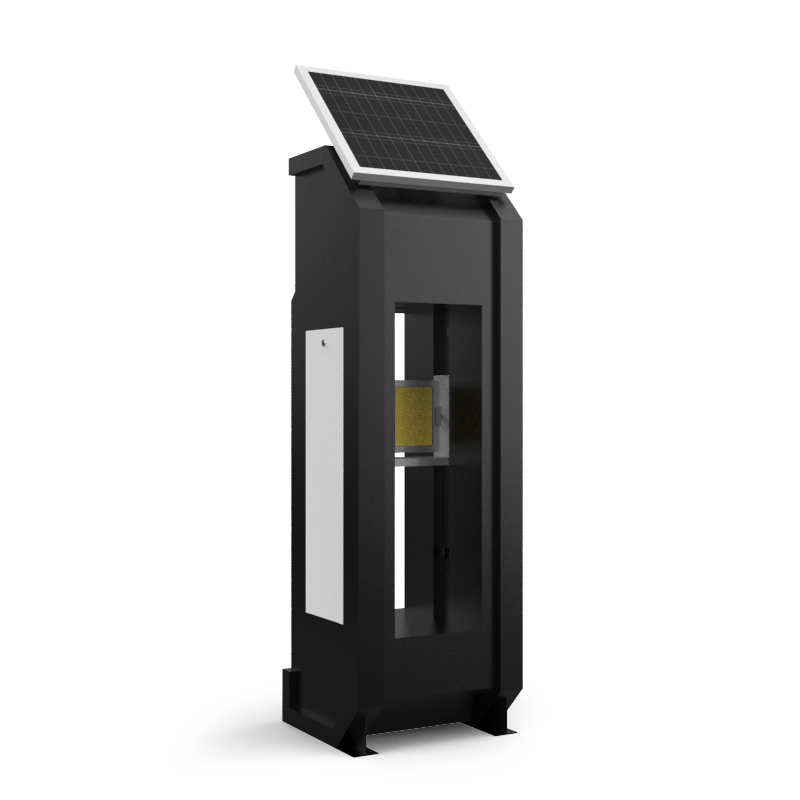
Displacement monitor device utilizes harmless laser technology to accurately detect minute displacements in building structures such as walls and beams after disasters like earthquakes and explosions. By identifying even the slightest unstable movement, this equipment provides timely warnings...
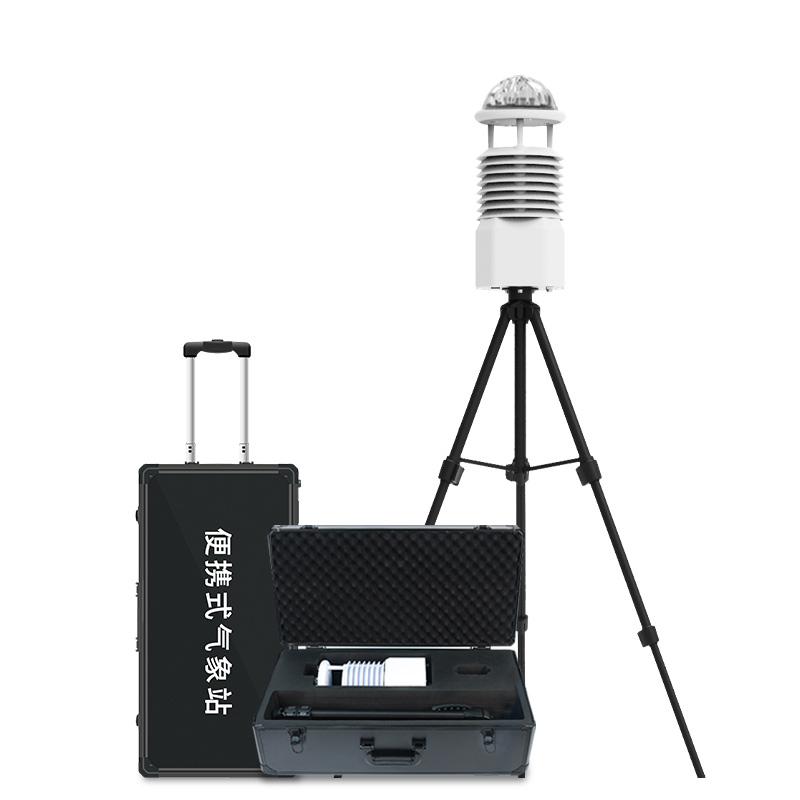
Ultrasonic Smart Weather Station integrates multi-element monitoring and uses a fully digital design to achieve accurate perception and real-time transmission of environmental data...
Present weather and visibility sensor employs the forward-scattering method to measure the total atmospheric extinction coefficient, thereby calculating visibility. It features a measurement range of 2 km and a resolution of 1 m, with measurement errors controlled in segments based on distance...


 Skype
Skype
 whatsapp
 mail
mail