Tianyi Sensor IOT Technology Co., Ltd
Sales Manager:Ms. Emily Wang
Cel,Whatsapp,Wechat:+86 15898932201
Email:info@fengtutec.com
Add:No. 155 Optoelectronic Industry Accelerator, Gaoxin District, Weifang, Shandong, China


Sales Manager:Ms. Emily Wang
Cel,Whatsapp,Wechat:+86 15898932201
Email:info@fengtutec.com
Add:No. 155 Optoelectronic Industry Accelerator, Gaoxin District, Weifang, Shandong, China
time:2026-05-09 11:14:35 source:Weather Station viewed:214 time
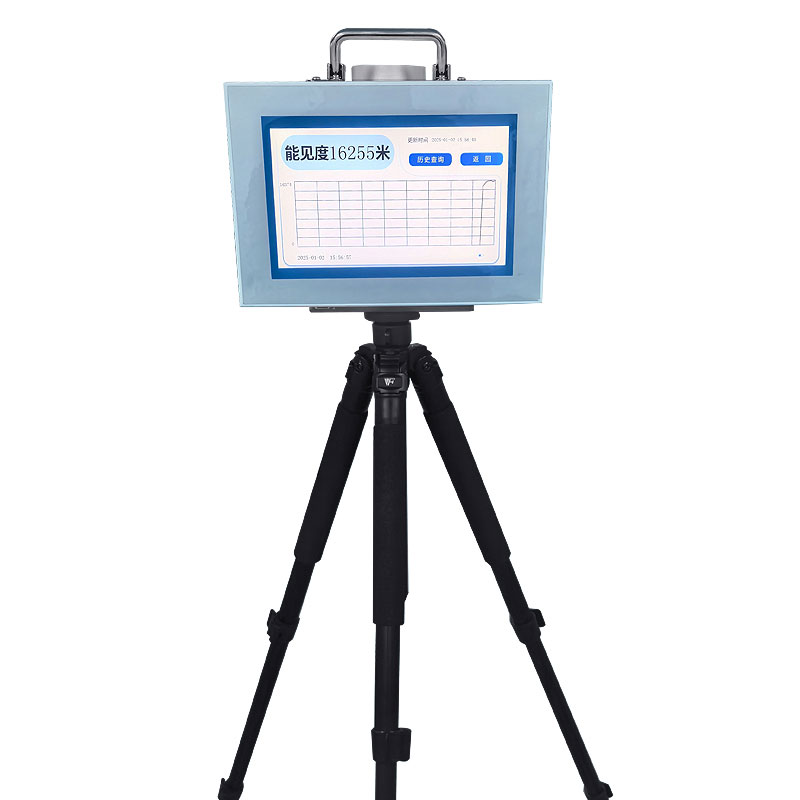
The visibility meter uses forward scattering to measure the total extinction coefficient of the air and calculate the current visibility. It has a range of 10km, a resolution of 1m, and an error of ±2% for distances ≤2km, ±5% for distances between 2km and 10km, and ±10% for distances greater than 10km. The equipment is widely used in emergency response, road traffic, and meteorological scenarios. It is a precision instrument for measuring atmospheric visibility distance by measuring the intensity of scattered light from gas molecules, aerosol particles, and fog droplets.
A visibility meter is a precision instrument that calculates the distance at eye level by measuring the atmospheric extinction coefficient. Based on the measurement principle, this instrument can be divided into two types: transmission-type and scattering-type. Transmission-type visibility meters calculate visibility by measuring the transmittance or extinction coefficient of the horizontal air column between the transmitter and receiver. They require a baseline and occupy a larger area, and are commonly used in scenarios such as runway visual range measurement in civil aviation. Forward-scattering visibility meters determine visibility distance by measuring the intensity of scattered light from gas molecules, aerosol particles, and fog droplets in a given volume of air. They do not require long baselines and are more suitable for space-constrained deployment environments such as highways, ports, and weather stations.
Forward-scattering visibility meters are currently the most widely used type of forward-scattering device. Their working principle involves a transmitter emitting near-infrared light pulses, and a receiver capturing the scattered light from atmospheric particles within an angle of 33 to 51 degrees from the emission direction. Real-time visibility data is then derived from a mathematical model of light intensity and visibility. The device mainly consists of an optical transmitter, an infrared forward-scattering receiver, a high-speed digital signal processing control unit, and a power supply. Visibility ranges from 10 meters to 50,000 meters, with measurement accuracy of ±10% within 10 kilometers and ±20% within 10 to 50 kilometers. The minimum data update interval can be set to 15 seconds. The device response time is less than 60 seconds, with some models achieving less than 30 seconds, making it suitable for rapid response in low-visibility conditions such as fog, haze, rain, and snow. In terms of application scenarios, visibility meters are widely deployed in weather stations, highways, airport runways, and port channels. Meteorological departments use this equipment to replace manual observations for automated operational monitoring, providing extinction coefficient parameters for weather forecasts and disaster warnings. Traffic management departments install equipment on key sections of highways, triggering warning systems and electronic displays when visibility falls below a safe threshold. Airports use high-precision equipment to monitor runway visual range in real time, assisting air traffic control in making flight takeoff and landing decisions, reducing delays and congestion risks. Ships use the equipment to monitor visibility in the sea area and plan routes to avoid low-visibility areas.
This equipment features several design characteristics related to environmental adaptability and maintainability. The optical components have lenses facing downwards and are equipped with protective covers to effectively prevent precipitation, droplets, or dust from entering the lenses, reducing probe surface contamination. Internal heating devices prevent condensation and fogging on the optical mirrors, ensuring continuous operation in low-temperature and high-humidity environments. With a protection rating of IP65 to IP68, it can withstand harsh outdoor conditions such as rain, sandstorms, and salt spray. The entire unit features an integrated design, making it small and lightweight. It supports solar panel power and can operate maintenance-free for extended periods. With a calibration cycle of one year and low maintenance frequency, it is suitable for long-term, unattended, continuous monitoring tasks in the field.
Water quality monitoring equipment for water treatment plants is an integrated system for online monitoring of key parameters such as residual chlorine, pH, water temperature, turbidity, and conductivity. It provides a basis for multi-dimensional testing of source water, treated water, and network water, and is widely used in full-process water quality safety management from water plants to end-users....
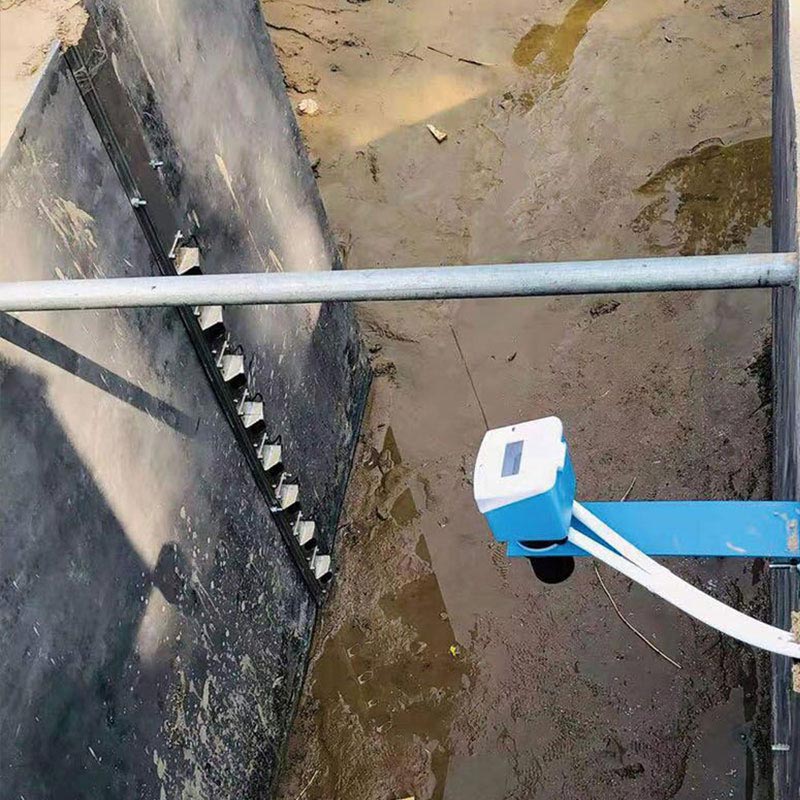
The water and rainwater detection equipment, namely the Water Level Monitoring System, can efficiently and accurately obtain data such as water level, flow rate, and rainfall.The Water Level Monitoring System is a fully automatic hydrological online monitoring system based on microwave technology. I...
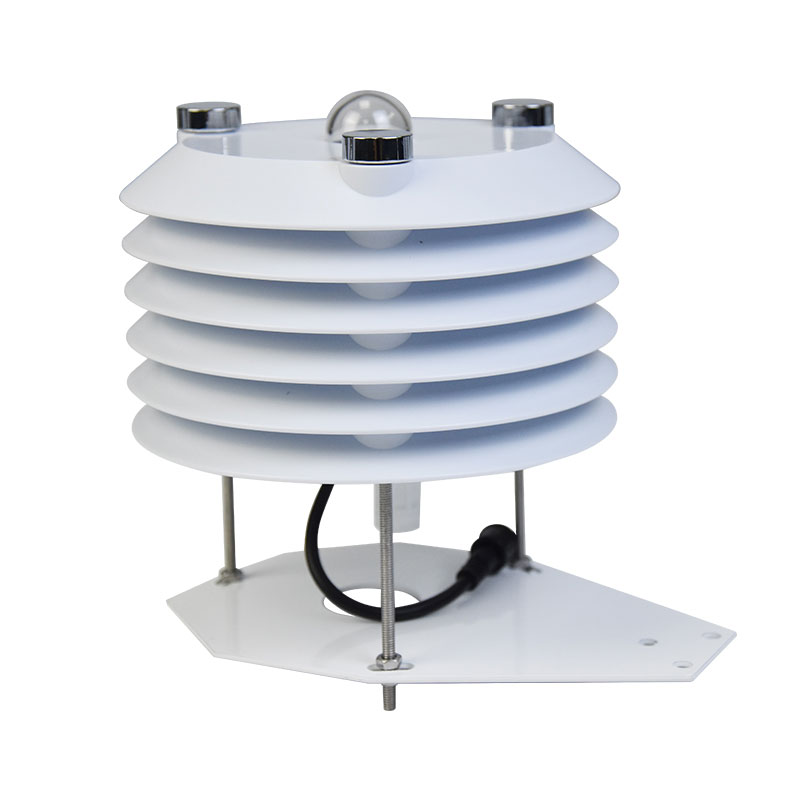
People have been measuring the wind for a long time, and the tools for wind measurement have been constantly upgraded. In the 15th century, Leonardo da Vinci designed a vane anemometer, marking the beginning of the era of scientific wind measurement. In 1846, Thomas Romney Robinson, a British naval...
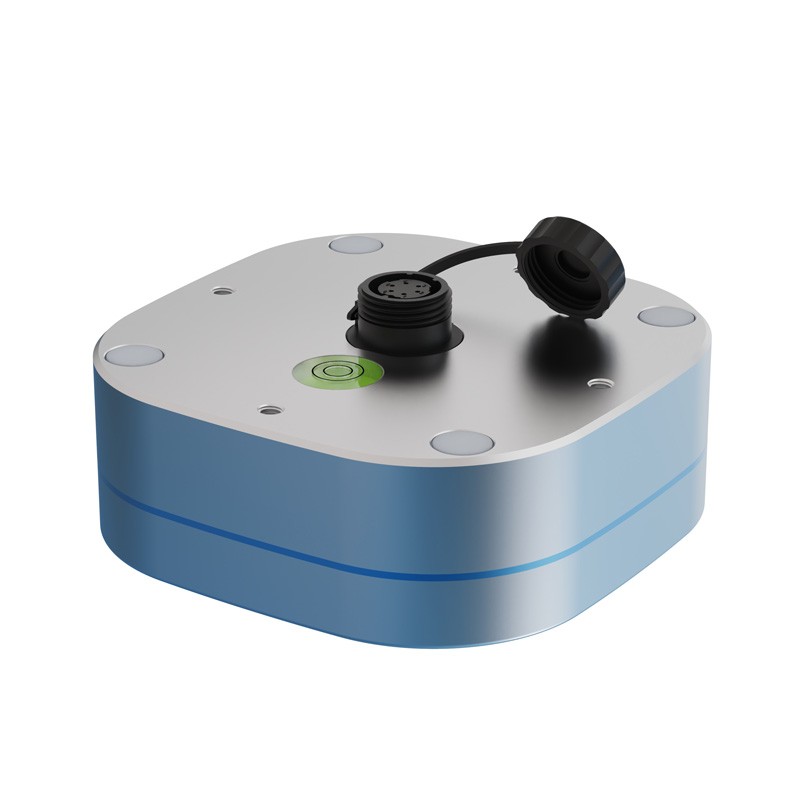
instrument to measure rainfall uses a PVDF piezoelectric film to sense raindrop impact. An embedded AI neural network accurately distinguishes raindrop signals, effectively eliminating interference from sand, dust, and vibration. The device has no mechanical parts, requires no maintenance, and...


 Skype
Skype
 whatsapp
 mail
mail