Tianyi Sensor IOT Technology Co., Ltd
Sales Manager:Ms. Emily Wang
Cel,Whatsapp,Wechat:+86 15898932201
Email:info@fengtutec.com
Add:No. 155 Optoelectronic Industry Accelerator, Gaoxin District, Weifang, Shandong, China


Sales Manager:Ms. Emily Wang
Cel,Whatsapp,Wechat:+86 15898932201
Email:info@fengtutec.com
Add:No. 155 Optoelectronic Industry Accelerator, Gaoxin District, Weifang, Shandong, China
time:2026-06-18 10:50:12 source:Weather Station viewed:86 time
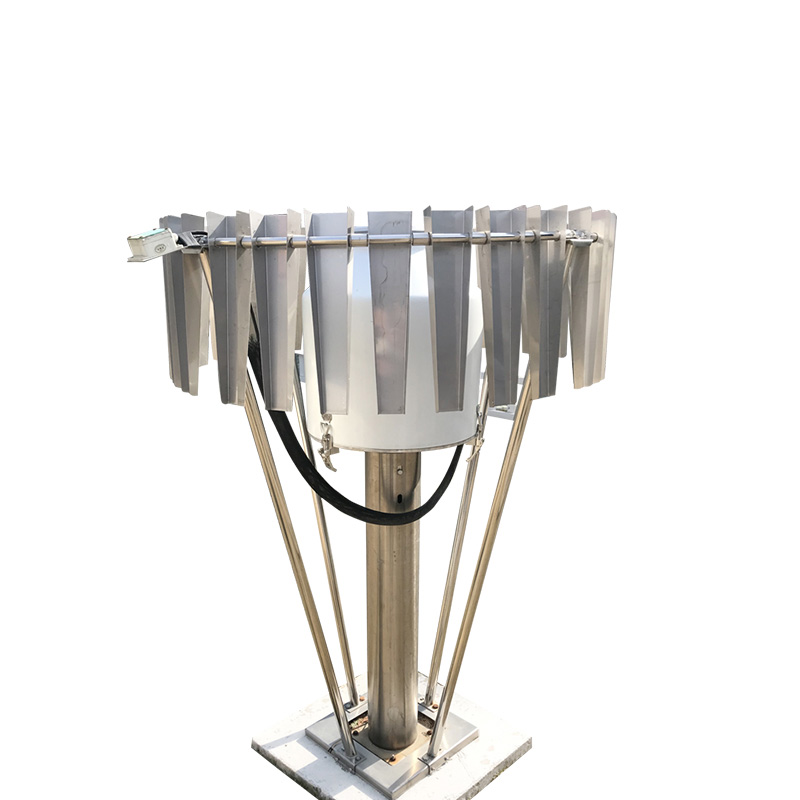
Weighing Rain Gauge converts precipitation weight into water depth with an accuracy of 0.1mm, suitable for rain, snow, and mixed precipitation. The equipment features independent internal and external grounding, a stainless steel protective casing to resist wind disturbance, eliminating the need for a windproof ring, and a height of 0.7m, consistent with manual observation, ensuring data representativeness and historical comparability.
Weighing Rain Gauge is a precipitation observation device based on the principle of mass measurement. Its basic workflow is as follows: Precipitation is collected at the inlet and falls into the container. The electronic weighing unit measures the total weight of the container and its contents in real time. After deducting the container's own weight, the net precipitation weight is obtained. This weight is then divided by the water density and the catchment area to obtain the precipitation amount expressed as water depth. This method is independent of precipitation form; whether it's liquid rainwater, solid snowflakes, hail, or a mixture of rain and snow, all are weighed equally and converted into a uniform water depth value. Therefore, the full-range measurement accuracy can reach 0.1mm, effectively avoiding the problems of missed readings in weak precipitation and lag in heavy precipitation found in tipping bucket rain gauges.
The device's structural design has two significant features. First, it features separate and independent grounding: the internal electronic weighing unit and the external protective metal bucket each have their own grounding terminals, ensuring electrical isolation. This approach has the advantage that when the external protective bucket generates static electricity due to wind and sand friction or thunderstorms, the charge is directly grounded and not conducted to the internal precision sensors. Simultaneously, external mechanical vibrations and temperature deformations are not directly superimposed on the weighing signal, thus ensuring stable and reliable operation of the electronic unit internally. Second, it uses a high-strength stainless steel outer protective bucket. The bucket wall thickness and rigidity are sufficient to withstand swaying and impacts caused by strong winds, and the bucket height is designed to be 0.7 meters, completely consistent with the height of traditional manual rain gauges. This height selection ensures consistency between monitoring data and historical manual observation sequences, allowing for direct comparison without height correction.
Notably, this Weighing Rain Gauge does not require a windproof ring. Traditional rain gauges often suffer from insufficient capture due to accelerated wind speeds above the gauge opening, causing precipitation particles to deflect and requiring a windproof ring to improve the flow field. However, the windproof ring itself alters the airflow near the gauge opening, resulting in discrepancies between the measurement results and the actual landing points of natural precipitation in the watershed. This device, with its low profile and robust structure, maintains high capture efficiency without altering the surrounding airflow distribution. Therefore, the measurements more accurately reflect natural precipitation conditions and are more representative for hydrological models and water resource assessments.
In terms of use and maintenance, Weighing Rain Gauge is typically equipped with evaporation suppression devices and antifreeze to reduce moisture loss through evaporation in summer and prevent freezing and damage to the load cells in winter. The device can be connected to an automatic weather station system, outputting cumulative precipitation values at minute or hourly intervals. Calibration is performed using standard weights for static loading, allowing for on-site verification of linearity and zero-point drift. With its adaptability to all precipitation conditions, anti-interference structural design, and compatibility with historical data, Weighing Rain Gauge has become one of the main types of instruments for winter precipitation observation at national basic meteorological and hydrological stations.
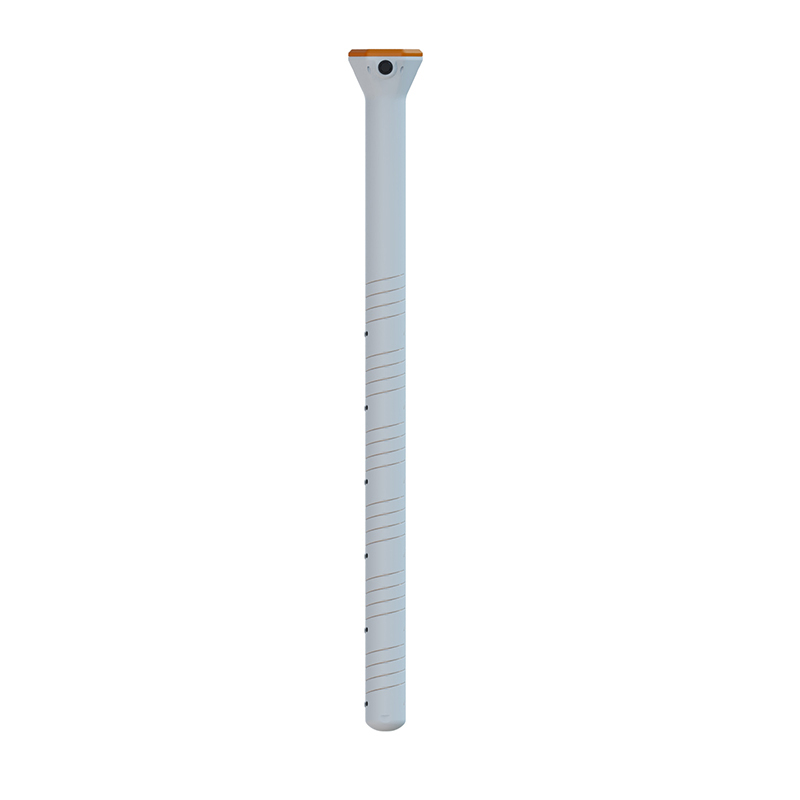
The Landslide Early Warning and Monitoring System employs GNSS and Differential RTK technologies to acquire surface displacement data with millimeter-level precision. By integrating data such as displacement and rainfall, the system automatically issues early warning alerts without the need fo...
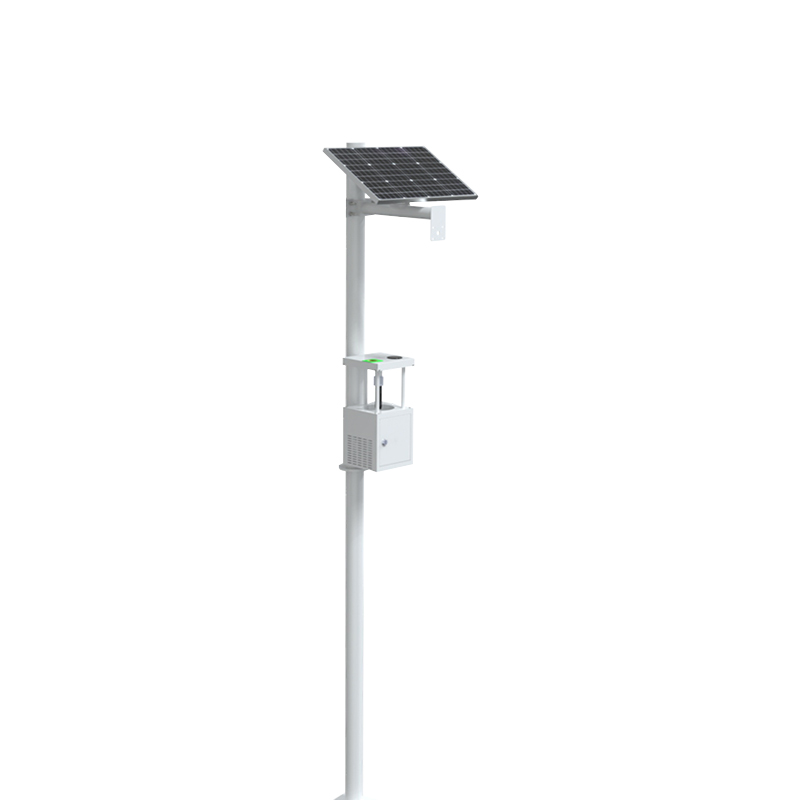
Present weather and visibility sensor is a professional meteorological observation device based on the forward scattering principle. It calculates real-time visibility by measuring the total extinction coefficient of the air, enabling automated identification and recording of weather phenomena...
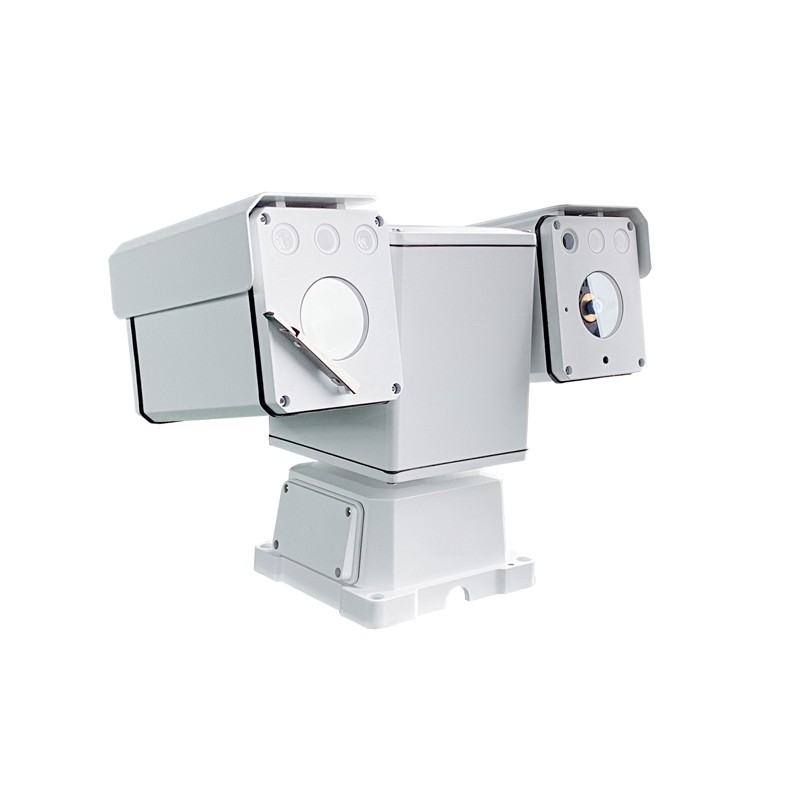
Emergency rescue life detector is a life detection device integrating audio, video, and infrared thermal imaging technologies, used for searching for victims in collapsed buildings and confined spaces. The device features a 10-inch full-color screen, can record video and take photos, has a bat...
Precision Snow/Rain Gauge The FT-YX2 employs the weighing method to measure all types of precipitation, capable of monitoring liquid, solid, and mixed solid-liquid forms. It features a measurement range of 0–1500 mm, a resolution of 0.01 mm, a maximum measurement error of ±0.1 mm, and an ope...


 Skype
Skype
 whatsapp
 mail
mail