Tianyi Sensor IOT Technology Co., Ltd
Sales Manager:Ms. Emily Wang
Cel,Whatsapp,Wechat:+86 15898932201
Email:info@fengtutec.com
Add:No. 155 Optoelectronic Industry Accelerator, Gaoxin District, Weifang, Shandong, China


Sales Manager:Ms. Emily Wang
Cel,Whatsapp,Wechat:+86 15898932201
Email:info@fengtutec.com
Add:No. 155 Optoelectronic Industry Accelerator, Gaoxin District, Weifang, Shandong, China
time:2026-07-31 11:14:08 source:Weather Station viewed:22 time
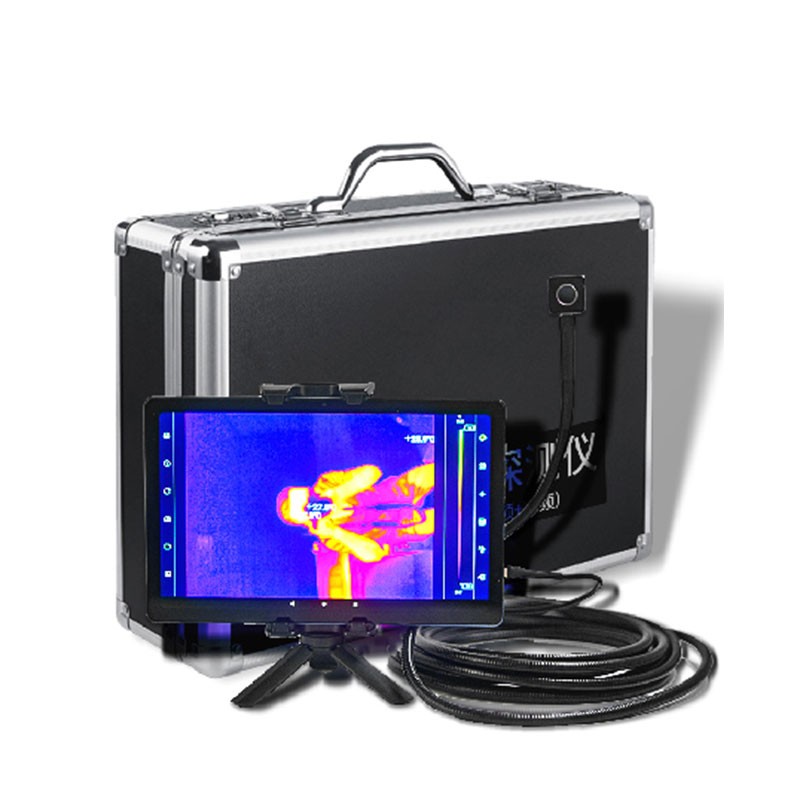
The Life Detector Device, which fuses high-resolution thermal imaging with high-sensitivity audio, uses a 5-meter snake-tube probe to penetrate narrow crevices. In dark and complex environments, it clearly presents thermal images of the human body and captures weak audio signals such as breathing and tapping, providing intuitive and reliable detection and location data for disaster relief efforts in earthquakes, collapses, and other disasters.
After disasters such as earthquakes, building collapses, and mining accidents, locating buried survivors in the shortest possible time is the primary challenge facing rescue operations. The complex structure of rubble, the narrow spaces, and the lack of light make traditional visual searches and manual shouting inefficient and unable to cover blind spots. Life Detector Device, as a high-tech rescue device specifically designed for such scenarios, is becoming an indispensable detection tool at disaster sites.
Currently, mainstream Life Detector Device systems are mainly based on three technical approaches. Radar Life Detector Device utilizes the strong penetrating power of ultra-wideband pulse radar to detect the micro-motion echoes caused by human breathing and heartbeats, determining the presence and specific location of life within the rubble. This type of device can penetrate non-metallic obstacles and reinforced concrete of a certain thickness, with a free-space detection range of up to 500 meters. The audio sensor uses a microelectronic processor to identify vibration signals propagating in the air or solids, covering frequencies from 1 to 3000 Hz. It can effectively capture cries for help, knocking sounds, and even breathing sounds from trapped individuals, while filtering out environmental noise. The optical sensor, commonly known as a "snake eye," has a flexible probe that can penetrate deep into rubble gaps, transmitting real-time images to a display screen via a front-end camera, suitable for direct observation in extremely confined spaces.
The device, characterized by the fusion of thermal imaging and audio, represents a new direction in technological integration. This type of device consists of a detection system composed of a high-resolution thermal imaging sensor, a high-sensitivity audio probe, and a high-performance graphics processing unit. The thermal imaging sensor features a compact and lightweight design, connected to the main unit via a 5-meter flexible tube, allowing it to reach into small gaps and possessing a degree of flexibility. The audio sensor is integrated into the probe, enabling the device to simultaneously acquire audio signals beyond line-of-sight while obtaining thermal images. The main unit is equipped with an 8-core high-frequency chip, enabling smooth real-time display of detected images and supporting photo and video recording, as well as switching between multiple graphics modes. This facilitates rescue personnel in quickly obtaining interpretable information on-site.
From a practical application perspective, different types of [unclear - possibly referring to specific technologies or equipment] have their own strengths. Radar equipment excels at penetrating thick obstacles for rapid, wide-area screening; audio-visual equipment is suitable for detailed confirmation and two-way communication within a located area; while the serpentine thermal imaging audio fusion equipment has unique advantages in penetrating narrow gaps and approaching the location of trapped individuals. The coordinated use of multiple technologies can significantly improve the detection efficiency and positioning accuracy of survivors at disaster sites.
20km Portable Visibility Detector device employs the forward scattering method to calculate current atmospheric visibility by measuring the total extinction coefficient of the air. This equipment can be deployed on highways, mountain roads, and other similar locations to provide real-time visibility information, assisting traffic management departments in adjusting speed limits and issuing warnings. It is widely used in emergency response, road traffic, and meteorological monitoring....
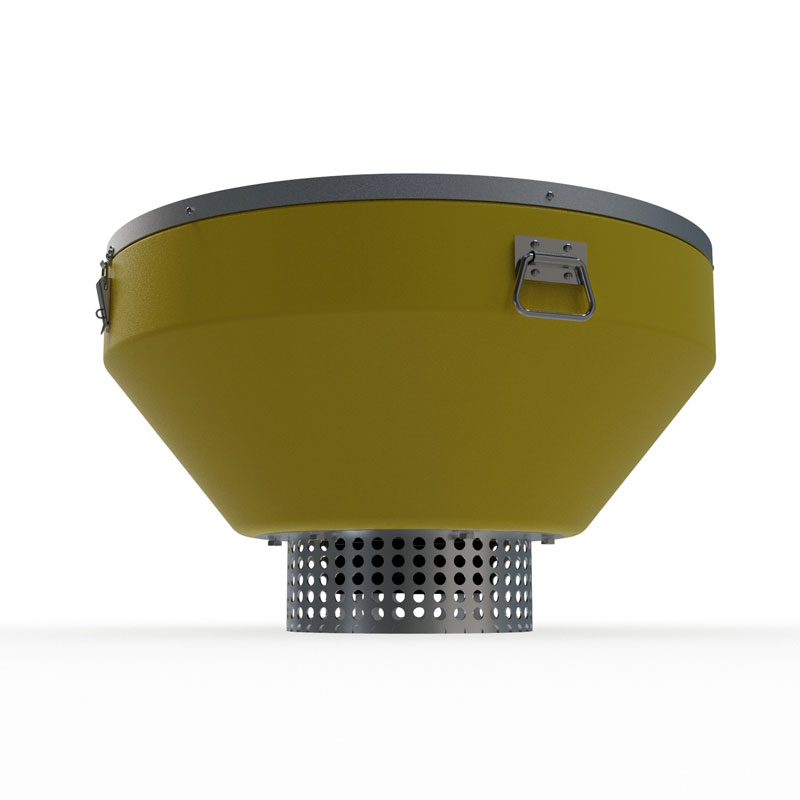
A Water Quality Monitoring Buoy is an on-site water quality testing device installed in water areas such as rivers, lakes, reservoirs, and coastal waters. It is mainly used in fields like the implementation of the river chief system and the construction of sponge cities. It can conduct continuous an...
Geological disaster monitoring and early warning system utilizes harmless laser technology to continuously monitor minute displacements in building structures such as dilapidated buildings, walls, and columns from a long distance. The minimum detection value is 1mm, and the measuring range is...
As a crucial component of the power system, transmission lines undertake the important task of efficiently transmitting the electrical energy generated by power plants to various regions. By constructing a vast transmission network, electrical energy can travel over long distances to meet the electr...


 Skype
Skype
 whatsapp
 mail
mail