Tianyi Sensor IOT Technology Co., Ltd
Sales Manager:Ms. Emily Wang
Cel,Whatsapp,Wechat:+86 15898932201
Email:info@fengtutec.com
Add:No. 155 Optoelectronic Industry Accelerator, Gaoxin District, Weifang, Shandong, China


Sales Manager:Ms. Emily Wang
Cel,Whatsapp,Wechat:+86 15898932201
Email:info@fengtutec.com
Add:No. 155 Optoelectronic Industry Accelerator, Gaoxin District, Weifang, Shandong, China
time:2025-12-30 13:24:44 source:Weather Station viewed:406 time
Miniature rain gauge is a device that uses a PVDF piezoelectric film as the core rain-sensing component and integrates an embedded AI neural network algorithm to distinguish raindrop signals. It can remotely measure precipitation, precipitation intensity, and the start and end times of rainfall, achieving real-time and accurate measurement. It is widely used in meteorological monitoring and agricultural irrigation.
Miniature rain gauge is an instrument used for real-time, automated, and high-precision monitoring of rainfall processes. Its core working principle is based on the physical characteristics of PVDF piezoelectric film. PVDF is a polymer material. When raindrops strike the film on the surface of the sensor's sensing area, the film undergoes tiny deformations due to the force, generating electrical signals proportional to the impact energy. The sensor detects rainfall events by capturing and analyzing these continuous voltage pulse signals.
The key technology of this sensor lies in its built-in embedded AI neural network processing unit. This unit processes and analyzes the raw signals generated by the PVDF film in real time. Because the signal characteristics produced by raindrops of different sizes, other environmental vibrations, or interfering objects (such as insects or leaves) striking the film have subtle differences, traditional threshold judgment methods are prone to errors. The embedded AI neural network algorithm, trained with a large amount of raindrop and noise signal data, can intelligently identify and effectively distinguish true raindrop signals from other interference signals, significantly improving the accuracy and anti-interference ability of rainfall detection.
Based on the above principles, the sensor can output three types of core data. First, cumulative precipitation, which is calculated by accumulating the energy of all valid raindrop signals and converting it into the total rainfall depth within a specific time period, usually in millimeters. Second, instantaneous precipitation intensity, which is calculated by analyzing the frequency and energy of raindrop signals per unit time to determine the real-time intensity of rainfall. Third, precise rainfall start and end times; the system records the time points when the first and last valid raindrop signals appear, thus determining the start and end times of a rainfall event.
Structurally, the sensor is compact and small, making it easy to install and integrate. Its sensing surface is usually placed outdoors facing upwards, and the overall device has good environmental resistance. The device integrates signal conditioning circuits, an AI processing chip, and data storage and communication modules. Monitoring data can be transmitted to weather station data collectors or remote monitoring center platforms via wired or wireless methods (such as RS485, LoRa, 4G, etc.).
This sensor is primarily used in scenarios requiring precise rainfall information. In meteorological monitoring, it can serve as a standard or supplementary observation unit for automatic weather stations, providing high-time-resolution rainfall process data for weather forecasting, climate research, and disaster warning (such as heavy rainfall warnings). In agricultural irrigation, accurate real-time rainfall data is a key input parameter for intelligent irrigation systems. The system can automatically adjust or pause irrigation plans based on actual rainfall, achieving water conservation and increased efficiency. In addition, it can also be used in specific applications such as hydrological observation, smart city flood monitoring, and transportation weather services.
When using this type of sensor, attention should be paid to installation specifications. An open location, away from trees and buildings, should be chosen to avoid local environmental influences on natural rainfall reception. The sensing surface must be kept horizontal and cleaned regularly to prevent dust and debris from accumulating and affecting the sensitivity and measurement accuracy of the PVDF film. Although the built-in AI algorithm has strong anti-interference capabilities, it should still be avoided to install it near frequently vibrating machinery.
Overall, the Miniature rain gauge, integrating PVDF piezoelectric film and embedded AI neural networks, represents a trend towards intelligent and highly reliable rainfall monitoring technology. Through advanced sensing materials and signal processing technology, it achieves more precise and reliable automated measurement of rainfall parameters, providing a high-quality data source for meteorological services, agricultural modernization, and related industry applications.
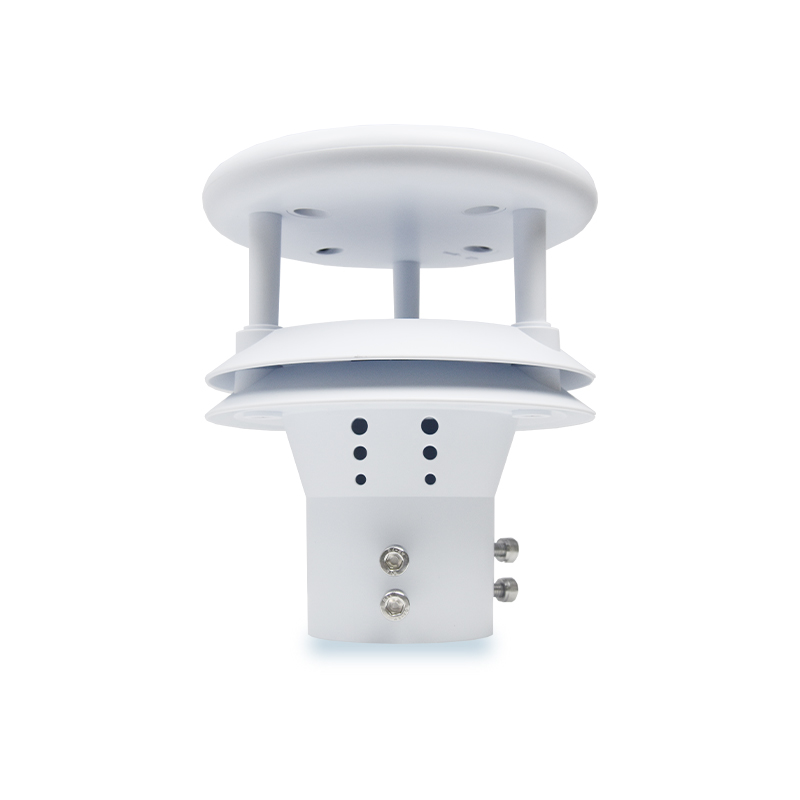
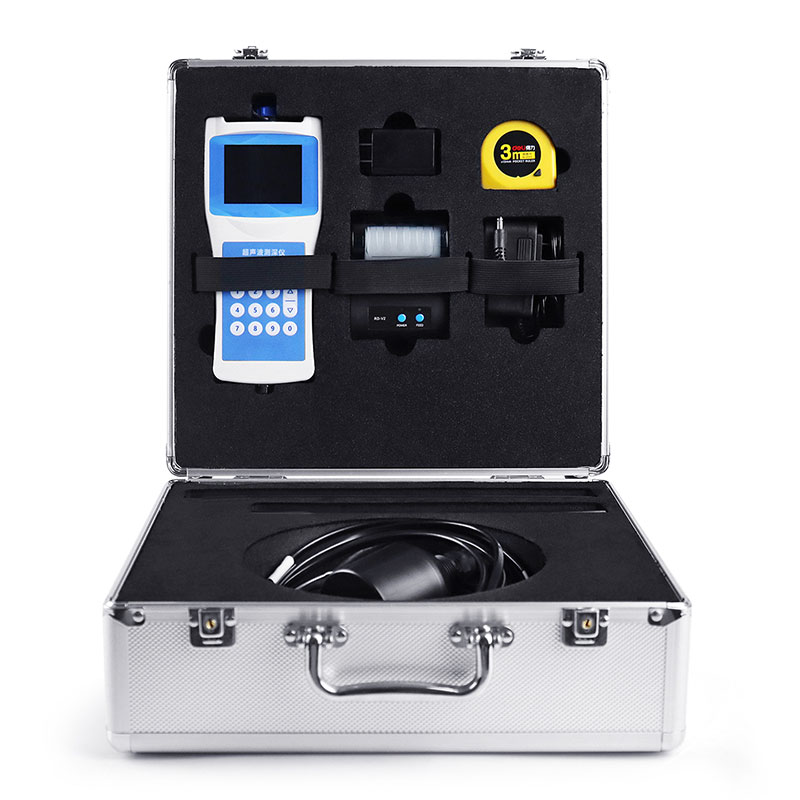
Hydrological flow monitoring equipment plays a crucial role in water conservancy work, helping us grasp the dynamics of water resources and facilitating flood control, water dispatch, and other tasks. Below is a detailed introduction to common equipment.Water Level Monitoring StationThe battery-powe...
Water level warning is an important means of preventing flood disasters and ensuring the rational utilization of water resources. When the water level of rivers and lakes exceeds the safety threshold, it may trigger floods, submerge farmland, destroy houses, and pose a threat to people's lives a...
To achieve efficient crop production in greenhouses, it is essential to precisely control key environmental factors:Temperature: Different crops have specific optimal temperature ranges. Excessively high or low temperatures can hinder their growth.Air humidity: Too high air humidity easily triggers...
In today's fast-paced life, people are paying increasing attention to health. Taking leisure vacations at scenic spots has become the first choice for many to relax their minds and bodies and get close to nature. And negative oxygen ions, an invisible yet significant substance in scenic spots, a...


 Skype
Skype
 whatsapp
 mail
mail