Tianyi Sensor IOT Technology Co., Ltd
Sales Manager:Ms. Emily Wang
Cel,Whatsapp,Wechat:+86 15898932201
Email:info@fengtutec.com
Add:No. 155 Optoelectronic Industry Accelerator, Gaoxin District, Weifang, Shandong, China


Sales Manager:Ms. Emily Wang
Cel,Whatsapp,Wechat:+86 15898932201
Email:info@fengtutec.com
Add:No. 155 Optoelectronic Industry Accelerator, Gaoxin District, Weifang, Shandong, China
time:2026-05-20 13:26:54 source:Weather Station viewed:199 time
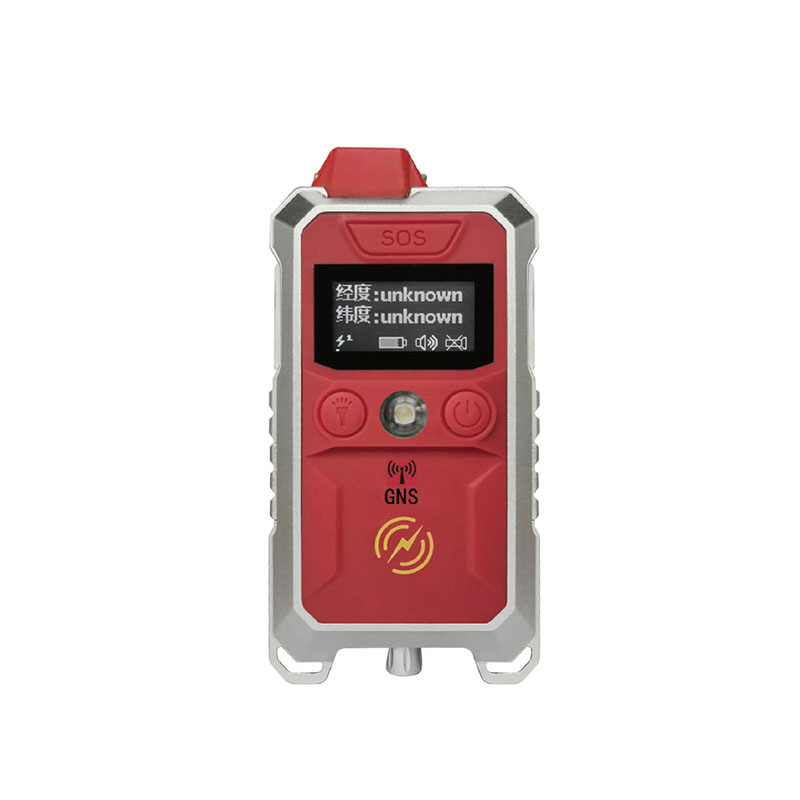
Leakage current Measurement is a portable safety detection device suitable for both land and water use. With an IP68 protection rating, it can operate normally in underwater environments. Based on the principle of electromagnetic induction, the device acquires wide-angle AC field signals through sensors and automatically distinguishes between high-sensitivity and low-sensitivity signals. It can identify weak leakage signals at the 0.01mA level within a millisecond response time. The device uses a non-contact detection method, triggering an audible and visual alarm when the device approaches the leakage source. The alarm intensity increases with distance, making it suitable for fire fighting, rescue, and power inspection scenarios.
Leakage current Measurement is mainly used in fire scenes, earthquakes, typhoons, floods, and after natural disasters or building collapses to determine the existence and location of leakage current. The audible and visual alarm mechanism prevents electric shock accidents to rescue personnel. This device is amphibious, with an IP68 protection rating, and can operate normally in both land and underwater environments. It is suitable for various scenarios such as fire fighting, emergency rescue, and power inspection and maintenance.
The core detection principle of Leakage current Measurement is electromagnetic induction technology. It acquires a wide-angle AC field signal through a sensor and automatically distinguishes between high-sensitivity and low-sensitivity signals by a program, while also possessing the ability to adaptively process the strength of the inducted signal. In terms of detection range, it can automatically detect leakage current in 220V-110KV/50Hz AC power supplies, with some models covering voltages of 110V, 220V, 380V, and above. Regarding detection distance, it is ≥1 meter in low-power mode and ≥2 meters in high-power mode, with some models reaching 5 to 10 meters. The detection angle is ≥160°, with a response time as low as 50 milliseconds, capable of identifying weak leakage current signals at the 0.01mA level. Whether it's direct leakage current in exposed circuits or concealed leakage current within walls, it can quickly pinpoint the location of the hazard.
In terms of alarm function, Leakage current Measurement is equipped with a dual audible and visual alarm mechanism. As the device gets closer to the power source with leakage current, the flashing frequency of the light and the frequency of the sound from the audible and visual alarm devices increase synchronously. The alarm sound level ranges from ≥90dB to ≥105dB, with some models maintaining a strong alarm sound level of ≥105dB at a distance of 3 meters. The LED alarm indicator uses red and green colors, equipped with 8 LEDs and featuring light grouping capabilities, ensuring clear communication even in smoke-filled or noisy rescue environments.
In terms of hardware parameters, the device weighs ≤250 grams (including battery), measures ≤140×70×30 mm (excluding antenna), and has a built-in rechargeable battery with a runtime of ≥10 hours. The operating temperature range is -25℃ to 60℃. The device features an OLED LCD display with a screen size ≥1.3 inches, displaying battery level, leakage current strength, latitude and longitude location information, etc. Furthermore, the device has a built-in GPS and Beidou dual positioning module, allowing it to obtain its own latitude and longitude location information; it also features an SOS one-button emergency call function and LED lighting, and has motion/stationary status detection capabilities, displaying the current movement status on the screen.
Developed based on the principles of charge induction and MEMS technology, this lightning warning system utilizes a combined electric field differential and threshold-based algorithm to effectively prevent false alarms caused by adverse weather conditions—such as rain, strong winds, and blowi...
Under the general trend of technology empowering agriculture, Agricultural meteorological stations are gradually becoming key facilities for ensuring agricultural production and promoting the modernization of agriculture.It can conduct real-time and precise monitoring of various meteorological...
Weather conditions have always been a key factor affecting crop growth and harvest. Alas! Frequent meteorological disasters have brought great crises to agriculture!Drought, a common meteorological disaster, results from prolonged precipitation scarcity, leading to soil water shortage and dry air. C...
The Air Quality Monitoring Station is a miniaturized product dedicated to real - time online monitoring of the atmospheric environment. It has the capability of simultaneous multi - parameter monitoring, which can accurately measure the concentrations of various pollutants in the atmosphere, such as...


 Skype
Skype
 whatsapp
 mail
mail