Tianyi Sensor IOT Technology Co., Ltd
Sales Manager:Ms. Emily Wang
Cel,Whatsapp,Wechat:+86 15898932201
Email:info@fengtutec.com
Add:No. 155 Optoelectronic Industry Accelerator, Gaoxin District, Weifang, Shandong, China


Sales Manager:Ms. Emily Wang
Cel,Whatsapp,Wechat:+86 15898932201
Email:info@fengtutec.com
Add:No. 155 Optoelectronic Industry Accelerator, Gaoxin District, Weifang, Shandong, China
time:2026-02-05 10:47:57 source:Weather Station viewed:347 time
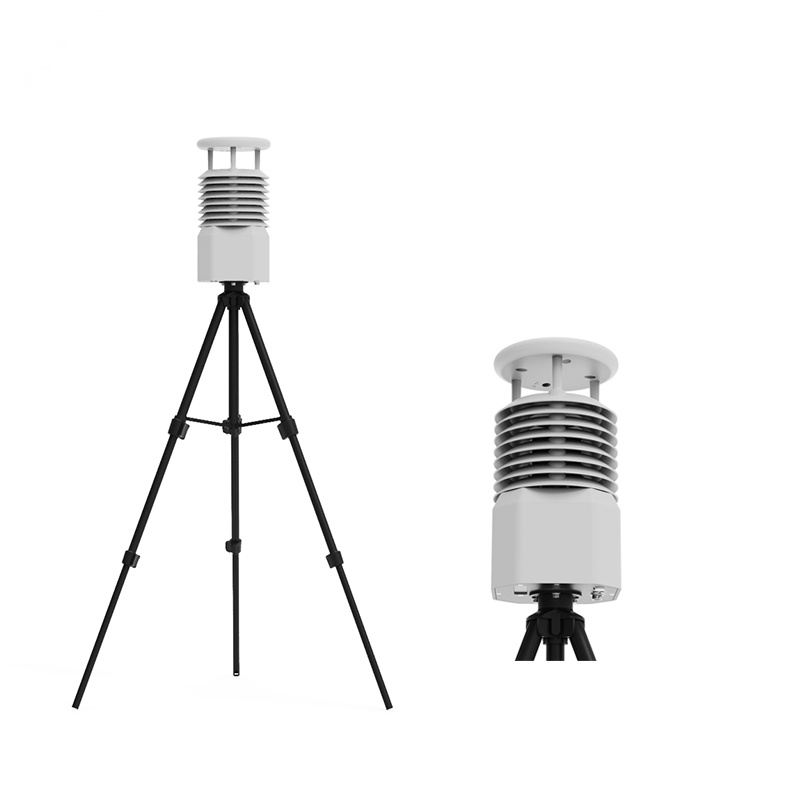
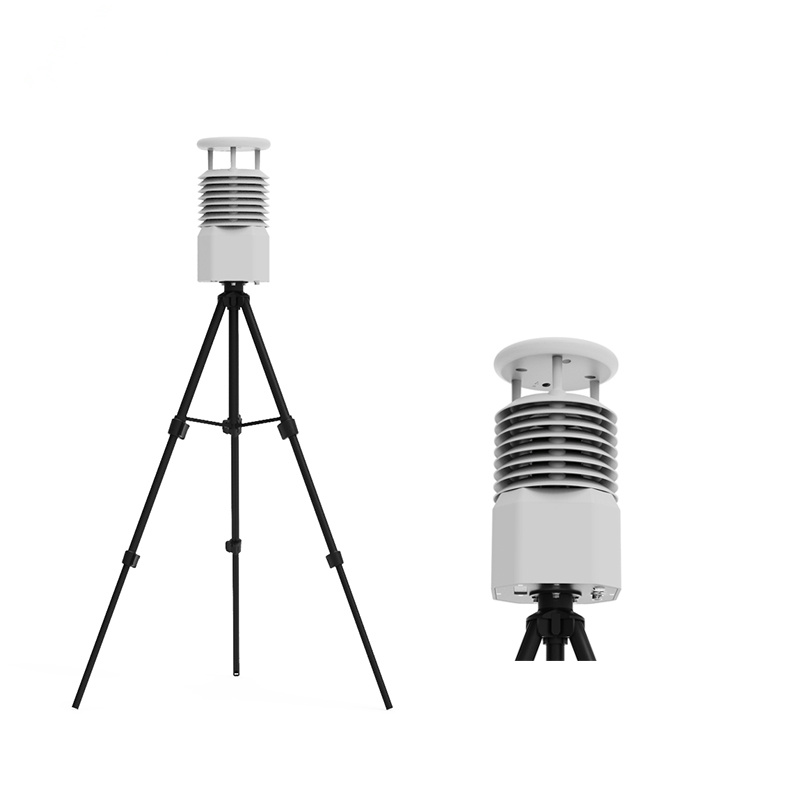
Smart weather station is a highly integrated, low-power, and rapidly deployable automatic meteorological observation device. It can perform real-time and precise monitoring of wind speed, wind direction, temperature, humidity, atmospheric pressure, PM2.5, PM10, and noise, and features IoT cloud connectivity and data analysis capabilities, making it ideal for use in outdoor environments.
Smart weather station is a high-precision, automated environmental observation device. Its core features are its highly integrated and low-power design, which allows it to adapt to the needs of long-term continuous monitoring in the field. The device typically integrates multiple sensors, data acquisition modules, power supply units, and communication equipment into a compact structure, supporting rapid deployment and installation without complex infrastructure engineering.
The basic function of this device is to continuously collect various environmental parameters. In terms of meteorological elements, it can measure wind speed, wind direction, air temperature, air humidity, and atmospheric pressure in real time. In addition, modern Smart weather station often integrate environmental monitoring modules, which can simultaneously collect PM2.5 and PM10 particulate matter concentrations in the air, as well as ambient noise levels. These data together provide a comprehensive description of the meteorological and basic environmental conditions at a given location.
The key to realizing the value of the data lies in its IoT connectivity capabilities. Smart weather station has a built-in wireless communication module (such as 4G/5G, LoRa, or NB-IoT), which can automatically transmit the collected real-time data to a cloud server or designated data center. Users can remotely access the dedicated cloud platform or application through terminal devices such as computers and mobile phones to view current data, historical trend curves, and device operating status anytime, anywhere.
The cloud platform is not only a data display window but also has data analysis functions. The platform can store, manage, and perform preliminary analysis on the massive amount of received data, such as generating statistical reports, calculating daily averages, and plotting trend charts. The system can set parameter warning thresholds; when any monitoring data exceeds the safety or management limits, it will automatically send alerts through platform messages, text messages, or emails, helping managers respond to abnormal situations in a timely manner.
In terms of applications, its portability and low power consumption make it particularly suitable for various outdoor scenarios. For example, it can be used to monitor dust and meteorological conditions at temporary construction sites; for long-term environmental baseline monitoring in ecological protection areas or scientific research field sites; and for rapid deployment at large events or in emergency command situations to provide local meteorological and environmental information. It effectively compensates for the shortcomings of insufficient coverage density of fixed standard meteorological stations.
The equipment is also relatively easy to install and maintain. It typically uses an integrated pole or tripod for installation, and is powered by a combination of solar panels and batteries, ensuring continuous operation in areas without mains power. Users mainly need to perform simple equipment cleaning, check the stability of connections, and calibrate the sensors periodically.
In summary, Smart weather station, through integrated design and IoT technology, transforms traditional complex meteorological and environmental monitoring into convenient, remote, and real-time digital management. It provides users with a solution that is flexible to deploy, provides accurate data, and allows for timely information acquisition. It is an important tool for obtaining first-hand meteorological and environmental data in fields such as environmental monitoring, scientific research, engineering management, and emergency services.
The Visibility sensor utilizes the forward-scatter method to measure the total atmospheric extinction coefficient. With a measurement range of up to 20 kilometers, it features segmented error calibration and is designed for use in road traffic management, meteorological observation, and emerge...
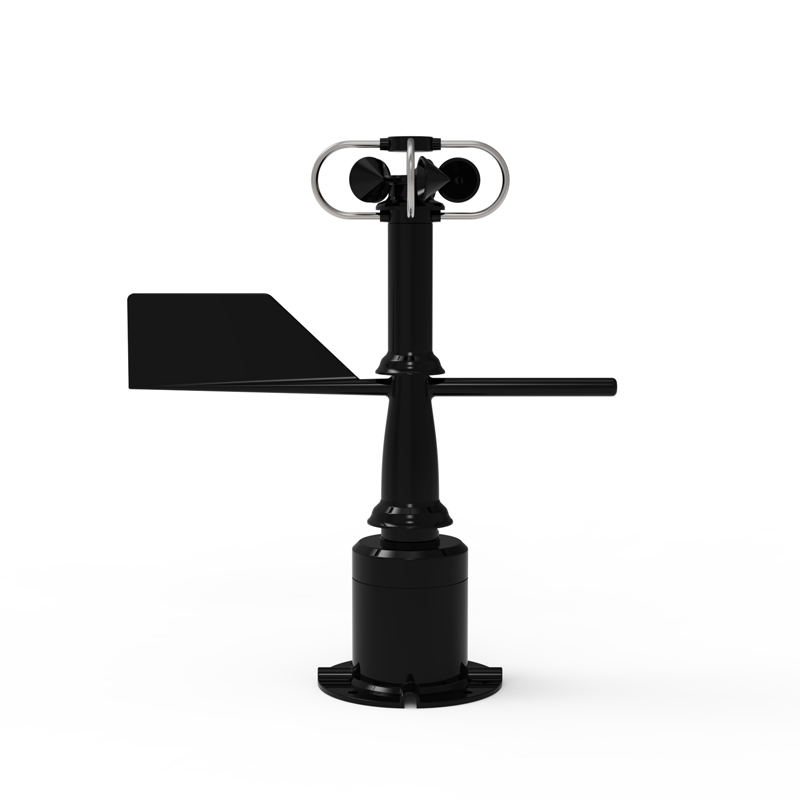
Before the advent of ultrasonic anemometers, traditional wind speed and direction measurements mainly relied on mechanical sensors.Cup anemometers calculate wind speed through wind force pushing three or four hemispherical cups to rotate, with rotational speed proportional to wind speed.Wind vanes,...
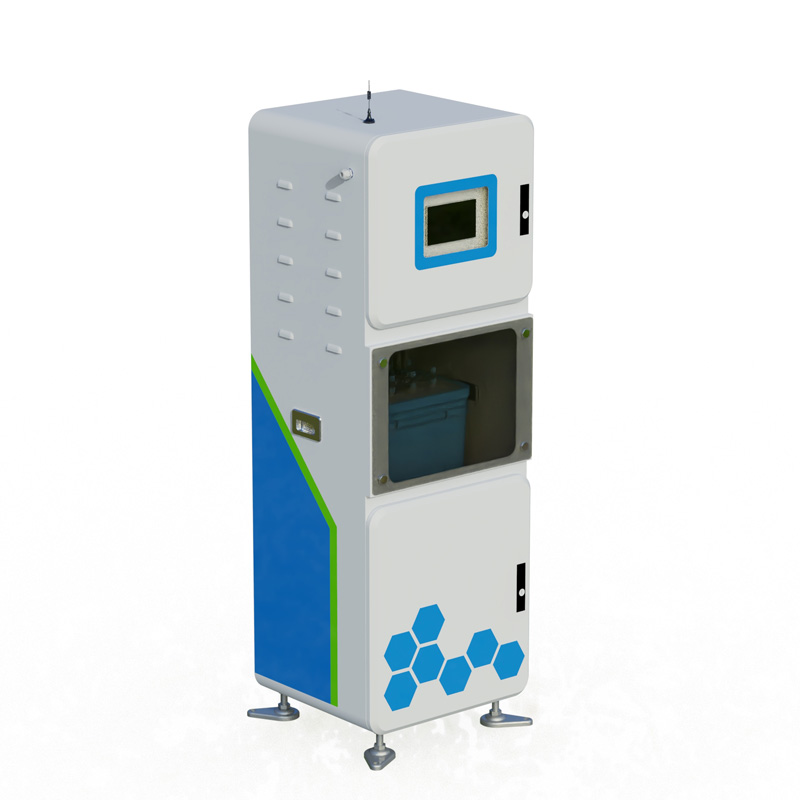
In today's society, environmental issues are receiving increasing attention, and air quality has become an important factor affecting people's quality of life. As one of the key pollutants impacting air quality, dust is in urgent need of accurate monitoring and effective control. The Dust De...
Road Weather Sensors employs the forward-scattering method to measure the air extinction coefficient and calculate visibility. It is capable of identifying five distinct phenomena—fog, rain, snow, mixed precipitation, and clear conditions—with an identification accuracy rate of ≥95%. With a...


 Skype
Skype
 whatsapp
 mail
mail