Tianyi Sensor IOT Technology Co., Ltd
Sales Manager:Ms. Emily Wang
Cel,Whatsapp,Wechat:+86 15898932201
Email:info@fengtutec.com
Add:No. 155 Optoelectronic Industry Accelerator, Gaoxin District, Weifang, Shandong, China


Sales Manager:Ms. Emily Wang
Cel,Whatsapp,Wechat:+86 15898932201
Email:info@fengtutec.com
Add:No. 155 Optoelectronic Industry Accelerator, Gaoxin District, Weifang, Shandong, China
time:2026-03-23 13:42:35 source:Weather Station viewed:213 time
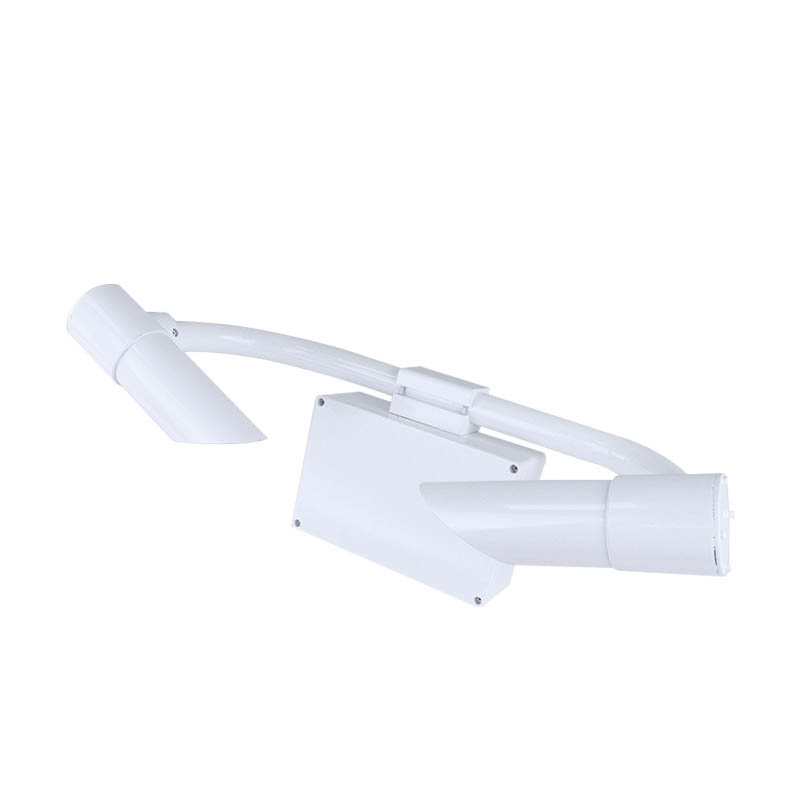
Weather Phenomenon Sensor employs the forward-scatter method to measure the total atmospheric extinction coefficient, thereby calculating current visibility. It is capable of identifying various weather phenomena—including fog, rain, snow, mixed precipitation, and clear conditions—and provides data on Meteorological Optical Range (MOR), visibility reduction characteristics, and precipitation type identification. This device is widely utilized in fields such as meteorological forecasting, disaster monitoring, and road traffic management.
Weather Phenomenon Sensor is an instrument designed to measure atmospheric visibility and identify weather phenomena based on optical principles. The sensor utilizes the forward-scatter method to measure the total atmospheric extinction coefficient; by analyzing the light-scattering properties of particulate matter present in the air, it calculates the Meteorological Optical Range for the current environment.
Regarding its measurement principle, the sensor houses an internal infrared light source and a photoelectric receiver. The light source emits a beam of infrared light that passes through an air sampling volume; aerosols, water droplets, or ice crystals present in the air cause the light to scatter. The receiver captures the forward-scattered light signal at a specific angle and, based on the functional relationship between the intensity of the scattered light and the atmospheric extinction coefficient, calculates the visibility value. This method eliminates the need to directly measure light attenuation across an entire transmission path, offering a compact structure and rapid response speed.
The identification of weather phenomena constitutes the core functionality of this sensor. By analyzing characteristics such as variations in scattered signal intensity, signal fluctuation frequency, and signal spectral distribution, the sensor classifies and determines the prevailing weather conditions. The identifiable weather phenomena encompass five distinct states: fog, rain, snow, mixed precipitation, and clear skies. Under foggy conditions, the scattered signal intensity is high and relatively stable; during rainfall, the signal exhibits rapid fluctuations; in snowy conditions, the signal fluctuation frequency falls between that of fog and rain; mixed precipitation presents a combination of various characteristics; and under clear skies, the scattered signal intensity is at its lowest level.
The data output by the sensor includes the Meteorological Optical Range, visibility reduction characteristics, and precipitation type identification results. The Meteorological Optical Range is expressed in meters and indicates the degree to which the atmosphere attenuates light. Visibility reduction characteristics describe the primary factors contributing to a decline in visibility—such as fog, mist, or haze—while the precipitation type identification results directly output the morphological classification of the current precipitation. The sensor housing is constructed from aluminum alloy and features an integrated heating function; this allows it to automatically initiate de-icing and defrosting in low-temperature environments, thereby ensuring the lens surface remains clear. The device is equipped with an automatic calibration function that periodically performs zero-point and full-scale calibrations to ensure measurement stability during long-term operation. Its communication interface supports digital output protocols such as RS232 and RS485, enabling seamless integration with weather stations or traffic monitoring systems.
In the field of weather forecasting, the ground visibility and weather phenomenon data provided by this sensor serve to augment existing meteorological observation networks, thereby enhancing the accuracy of weather predictions. In disaster monitoring applications, real-time visibility data is utilized to issue early warnings for hazardous weather conditions, such as dense fog and heavy rainfall. In the realm of road traffic management, sensors are strategically deployed along highways to provide traffic authorities with real-time data on visibility and road surface weather conditions, facilitating effective speed limit control and the issuance of travel advisories. Through optical measurement techniques, this sensor achieves comprehensive monitoring of both visibility and weather phenomena.
These monitors calculate the total extinction coefficient using the forward scattering method. The device is portable and lightweight, equipped with a high-brightness touchscreen and data storage module. It boasts long battery life, strong protective features, and is suitable for visibility mo...
Total Nitrogen Analyzer utilizes the resorcinol method and photoelectric quantitative technology. Its integrated design allows for rapid sampling and testing, boasts strong anti-interference capabilities, and enables real-time monitoring of total nitrogen content in water. It is widely used in...
The FT - WQX9 Outdoor Weather Sensors are common devices in the field of meteorological monitoring. Integrating multiple sensors, they can accurately measure data such as wind speed, wind direction, temperature, humidity, air pressure, PM2.5, PM10, rainfall, and solar radiation, providing real - tim...
The traditional triangle odor bag method mainly relies on the subjective judgment of professional odor assessors, which is not only cumbersome and costly to operate, but also difficult to achieve real-time monitoring and traceability. The emergence of the Odor Online Monitor has overcome these short...


 Skype
Skype
 whatsapp
 mail
mail