Tianyi Sensor IOT Technology Co., Ltd
Sales Manager:Ms. Emily Wang
Cel,Whatsapp,Wechat:+86 15898932201
Email:info@fengtutec.com
Add:No. 155 Optoelectronic Industry Accelerator, Gaoxin District, Weifang, Shandong, China


Sales Manager:Ms. Emily Wang
Cel,Whatsapp,Wechat:+86 15898932201
Email:info@fengtutec.com
Add:No. 155 Optoelectronic Industry Accelerator, Gaoxin District, Weifang, Shandong, China
time:2026-05-12 11:28:53 source:Weather Station viewed:204 time
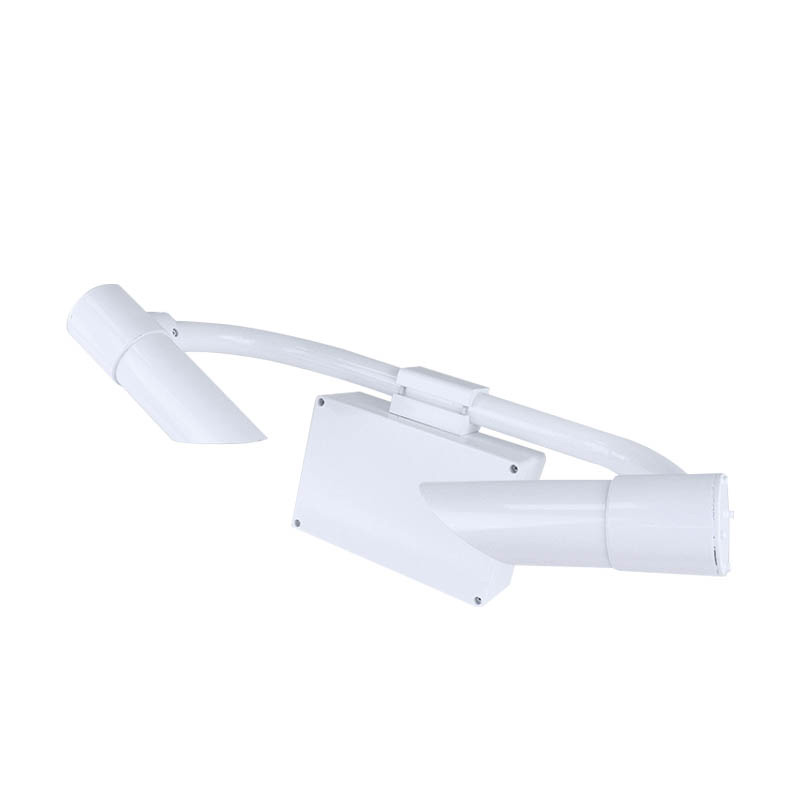
Visibility and Present Weather Sensor uses the forward scattering method to measure the total extinction coefficient of air, calculate visibility, and identify weather phenomena such as fog, rain, and snow, with a recognition rate of ≥95%. The casing is made of anodized aluminum, making the entire unit waterproof and dustproof, suitable for road traffic and the meteorological industry.
Visibility and Present Weather Sensor is a meteorological observation instrument used to measure meteorological optical range and identify weather conditions. Its core technology is based on the forward scattering method. The instrument emits an infrared pulse beam into the atmosphere, and receives the scattered light produced by small suspended particles (fog, haze, smoke) and large particles (rain, snow, ice particles, drizzle) in the atmosphere through a 42° forward scattering angle. After measuring the intensity of the scattered light, the sensor calculates the atmospheric extinction coefficient, and then uses the Koschmieder equation (MOR=2.996/σ) to obtain the meteorological optical range (MOR) and visibility values.
From a technical perspective, the measurement range and accuracy of the Visibility and Present Weather Sensor vary depending on its configuration. Mainstream models offer a maximum visibility range of 20km to 80km, with some high-end models supporting measurement ranges from 10m to 50km or even 100km. In visibility measurement, the error is generally controlled within ±2% of ≤2km, ±5% of 2km to 10km, and ≤±10% beyond 10km. The equipment resolution can reach 1m, and the weather phenomenon recognition rate generally reaches 95% or higher. It can distinguish common weather conditions including fog, rain, snow, mixed precipitation, and clear skies. Some models can further distinguish different precipitation types such as drizzle, light rain, moderate rain, heavy rain, snow, sleet, and hail. The operating temperature range is -40℃ to 60℃, the relative humidity range is 0 to 100%RH, the power consumption is approximately 1W to 4W, and it supports a wide voltage power supply from 12V to 24V.
In terms of structural design, Visibility and Present Weather Sensor adopts a downward-facing optical design, with the transmitter and receiver openings facing downwards to reduce interference from sunlight and other stray light. A protective cover effectively prevents rainwater, droplets, or dust from entering the optical lens, reducing the risk of probe surface contamination and condensation. The instrument housing is made of high-quality aluminum, anodized and then painted for corrosion resistance. The entire unit is waterproof, dustproof, impact-resistant, and shockproof, with a protection rating of IP65 or higher. The device features a built-in watchdog circuit for self-monitoring and reset functions. Communication and power interfaces are equipped with surge protection, making it suitable for long-term unattended outdoor operation. Communication methods support RS485 or RS232 interfaces, using the standard MODBUS protocol, and can directly output 15-second, 1-minute, and 10-minute average visibility values.
In terms of application areas, Visibility and Present Weather Sensor is widely used for visibility monitoring and weather warnings at transportation hubs such as highways, airports, ports, and bridges, promptly issuing alerts under low visibility conditions to ensure traffic safety. In the meteorological service field, the equipment replaces manual observation for automated operational visibility monitoring. It also has extended applications in environmental protection and marine monitoring. The equipment should be installed on open, flat, unobstructed ground at a height of approximately 1.5 to 3 meters. The receiver should be positioned with its back to a strong light source, and the transmitter and receiver should be arranged in a north-south direction to ensure data accuracy.
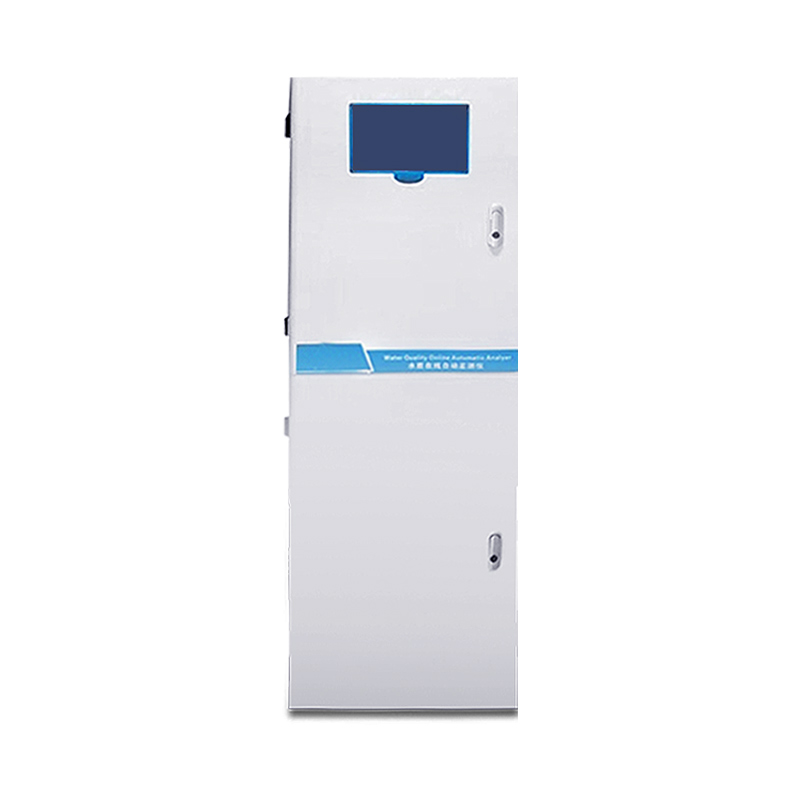
Water Quality Monitoring Station Secondary Water can simultaneously measure multiple water quality parameters, primarily monitoring indicators such as pH, residual chlorine, and turbidity. It features real-time monitoring and high-precision sensing characteristics, adapting to various secondar...
Based on the forward scattering method, Visibility and Present Weather Sensor calculates visibility by measuring the total extinction coefficient of air, and can identify various weather types such as fog, rain, snow, mixed precipitation, and clear skies. The instrument features an aluminum ca...
The core of the Odor Online Monitor lies in simulating human olfactory perception, enabling simultaneous monitoring of multiple malodorous pollutants. It is particularly suitable for 24/7 continuous monitoring in environments such as landfill sites, chemical industrial parks, and wastewater treatmen...
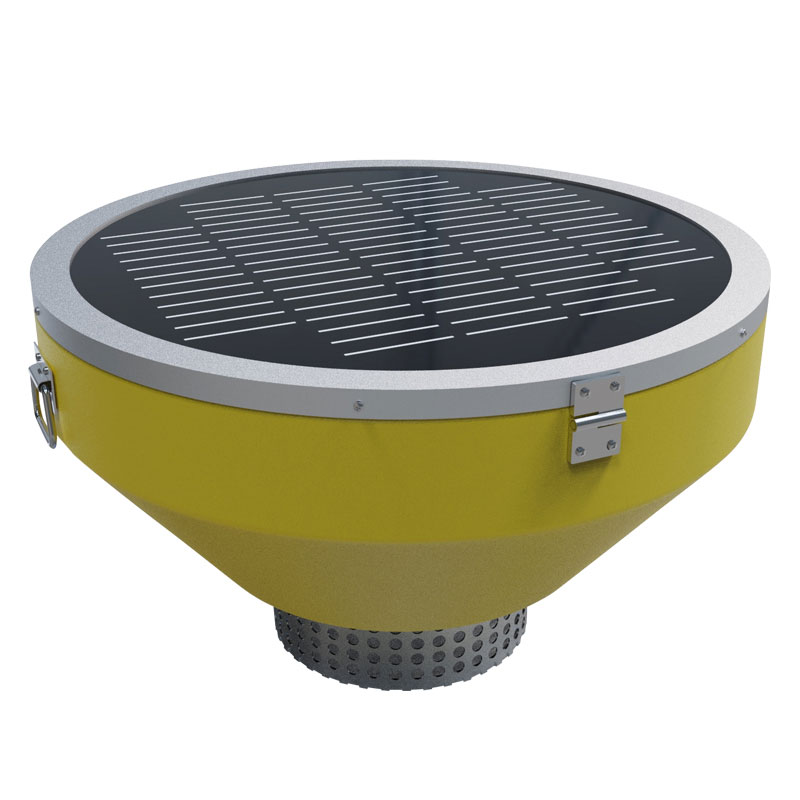
Marine weather stations integrate six parameters—ambient temperature, relative humidity, wind speed, wind direction, atmospheric pressure, and optical rainfall—into a single unit, outputting data all at once via a digital communication interface. The equipment supports 24-hour continuous onl...


 Skype
Skype
 whatsapp
 mail
mail