Tianyi Sensor IOT Technology Co., Ltd
Sales Manager:Ms. Emily Wang
Cel,Whatsapp,Wechat:+86 15898932201
Email:info@fengtutec.com
Add:No. 155 Optoelectronic Industry Accelerator, Gaoxin District, Weifang, Shandong, China


Sales Manager:Ms. Emily Wang
Cel,Whatsapp,Wechat:+86 15898932201
Email:info@fengtutec.com
Add:No. 155 Optoelectronic Industry Accelerator, Gaoxin District, Weifang, Shandong, China
time:2026-09-16 13:24:03 source:Weather Station viewed:0 time
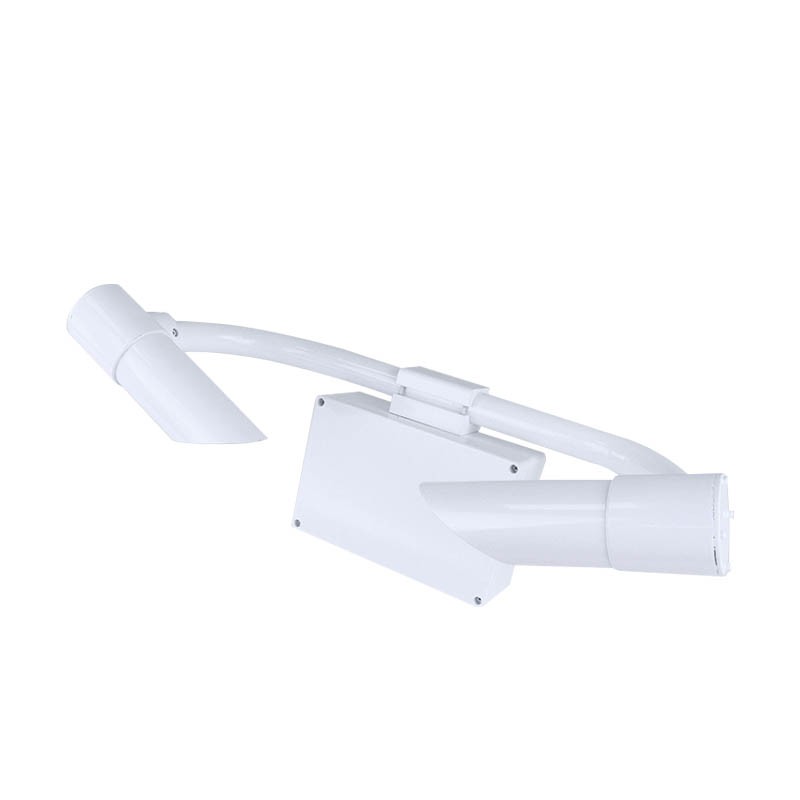
Atmospheric Visibility Sensor Utilizing the forward-scattering method to measure the total atmospheric extinction coefficient, this device accurately calculates meteorological optical range and visibility values. It features excellent protective capabilities, ultra-low power consumption, and stable operation. Capable of identifying various weather phenomena, it is widely used in meteorological observation and road traffic monitoring.
Atmospheric Visibility Sensor is a professional atmospheric monitoring instrument that employs the forward-scattering method as its core detection technology. By capturing the light-scattering intensity of suspended atmospheric particles, it calculates the total atmospheric extinction coefficient and precisely derives meteorological optical range and real-time visibility values. It effectively identifies diverse weather conditions—such as fog, rain, snow, mixed precipitation, and clear skies—with a weather phenomenon recognition rate exceeding 95%, making it a key monitoring device for meteorology and road traffic sectors.
Atmospheric Visibility Sensor is constructed from high-quality aluminum alloy and treated with anodizing and painting processes, ensuring superior water, dust, and impact resistance suitable for complex outdoor environments. The instrument features an optimized optical path design with downward-facing transmitter and receiver lenses; this minimizes interference from external stray light (such as sunlight) at the source, thereby ensuring data accuracy. Additionally, a built-in watchdog circuit guarantees long-term, uninterrupted outdoor operation, preventing issues like system freezes or shutdowns and significantly enhancing operational stability.
Regarding protection and power supply, the communication and power interfaces of Atmospheric Visibility Sensor are equipped with lightning protection structures to effectively safeguard against equipment damage caused by lightning strikes or static electricity. The instrument supports a wide input voltage range (12V to 24V) and consumes only 1W of power; this ultra-low power profile allows for compatibility with power sources such as solar panels and batteries, meeting the requirements for long-term, unattended field monitoring. The device strictly adheres to the QX/T 536-2020 testing standard for forward-scattering visibility meters, delivering compliant measurement accuracy and a range suited to standard monitoring scenarios, with a data repeatability error of no more than 4%. Regarding communication, the instrument features RS485 and RS232 digital interfaces and supports the standard Modbus protocol, enabling direct integration with various monitoring systems without the need for additional protocol adapters. It independently outputs visibility data for three time intervals—15 seconds, 1 minute, and 10 minutes—to meet the monitoring requirements of diverse scenarios. Offering ease of use and high adaptability, it provides continuous, accurate data support for environmental monitoring and traffic management operations.
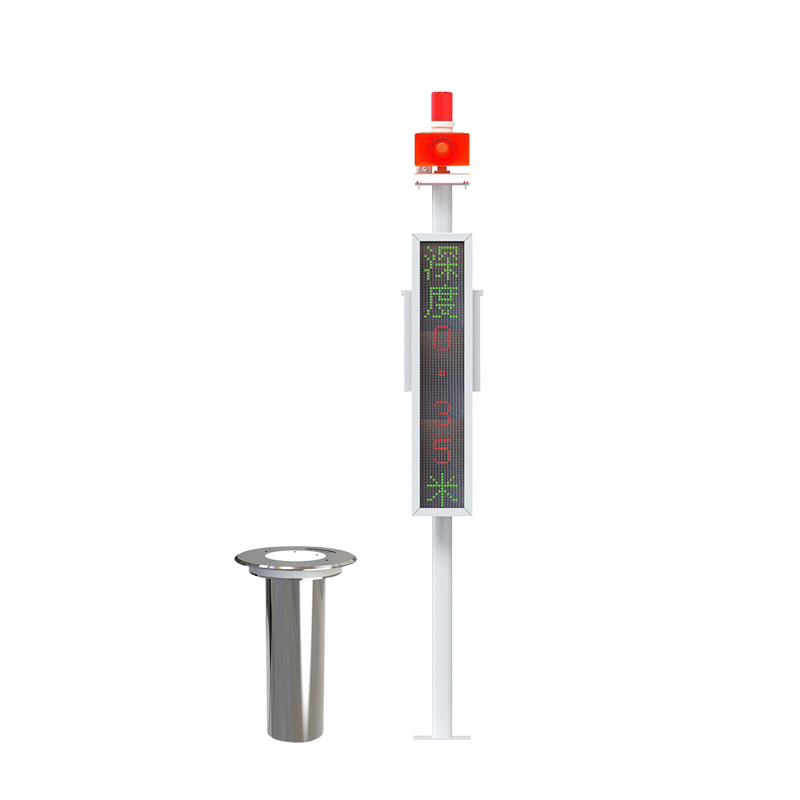
The rain and water conditions refer to the changes in hydrological elements such as rainfall, river and reservoir water levels, and flow rates within a region. They serve as important bases for flood control and disaster reduction as well as water resource management. Measuring the rain and water co...
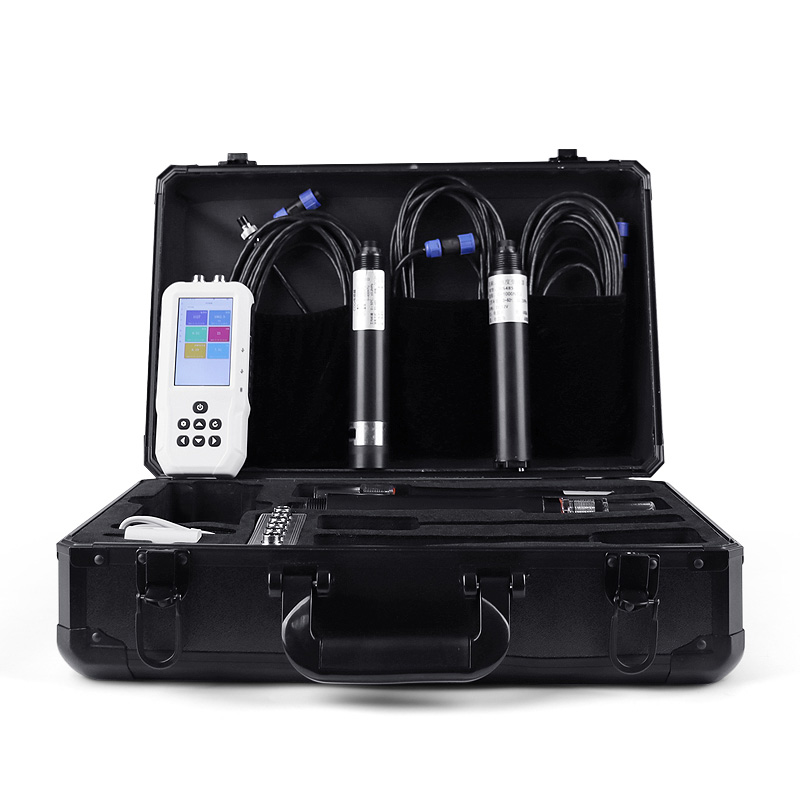
The visibility meter uses the forward scattering method to calculate the total extinction coefficient of air, accurately acquiring atmospheric visibility data. The device is portable, durable, and features storable and transferable data, stable operation, and is suitable for atmospheric monito...
Audio and video life detection device is an emergency rescue device integrating audio acquisition and video imaging functions. It obtains images, sounds, and infrared thermal images of trapped individuals through a rotatable probe. The device supports a 180-degree observation range, offering good visibility, high reliability, and ease of operation, making it suitable for rapid search and rescue operations in earthquakes, landslides, building collapses, and other scenarios....
What kinds of Wind Speed Sensors are there on the market and how should consumers choose?There are a wide variety of Wind Speed Sensors available in the market. However, according to the detection principles, they can be classified into mechanical sensors, ultrasonic sensors, thermal sensors, Pitot...


 Skype
Skype
 whatsapp
 mail
mail