Tianyi Sensor IOT Technology Co., Ltd
Sales Manager:Ms. Emily Wang
Cel,Whatsapp,Wechat:+86 15898932201
Email:info@fengtutec.com
Add:No. 155 Optoelectronic Industry Accelerator, Gaoxin District, Weifang, Shandong, China


Sales Manager:Ms. Emily Wang
Cel,Whatsapp,Wechat:+86 15898932201
Email:info@fengtutec.com
Add:No. 155 Optoelectronic Industry Accelerator, Gaoxin District, Weifang, Shandong, China
time:2026-05-22 11:19:55 source:Weather Station viewed:190 time
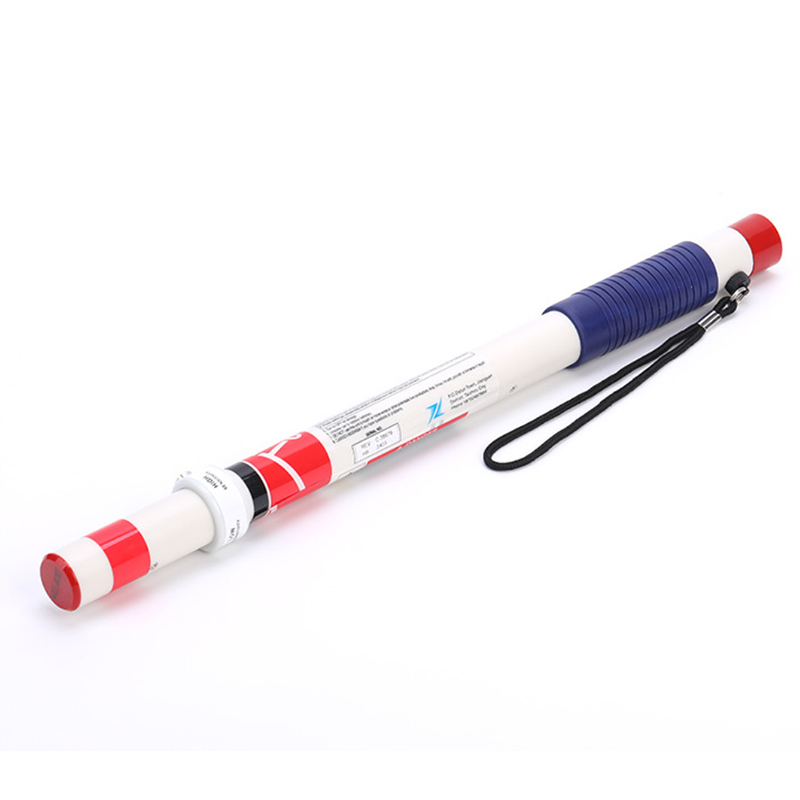
Equipment Leakage Current Tester detects AC leakage current without contact with live parts, using an inductive electric field. It features three sensitivity levels and can operate in environments ranging from -30℃ to 50℃, making it suitable for leakage detection in natural disaster relief, industrial inspections, and construction sites.
Equipment Leakage Current Tester is a non-contact AC leakage current induction detection device, shaped like a cane, approximately 45 mm in diameter and 530 mm in length, weighing about 430 to 570 grams. It comes with a carrying bag and four AA batteries. The core function of this device is to sense AC electric fields without direct contact with live parts, determining the presence of leakage risk through changes in sound and light signals. The device offers three operating modes: high sensitivity, low sensitivity, and focused forward detection, allowing users to quickly switch between modes based on their detection distance and accuracy requirements.
The technical parameters of Equipment Leakage Current Tester cover multiple voltage levels, capable of detecting conventional AC power of 120V/60Hz or 220V/50Hz, as well as high-voltage distribution lines of 7.2kV/50Hz or 15kV/50Hz. Under 220V voltage conditions, when the device is set to high sensitivity, it can detect voltage and trigger an alarm within a 10cm distance. The device has a continuous operating time of up to 300 hours, an operating temperature range of -30℃ to 50℃, and a splash-proof casing made of insulated PVC material, allowing normal use in rainy or humid environments.
Equipment Leakage Current Tester is primarily used in emergency rescue and industrial safety. In natural disaster relief scenarios, this device can be used for post-earthquake building inspections, fire scene leakage detection, post-typhoon road clearing, nighttime disaster searches, and safety assessments in flooded areas. Rescue personnel can use the device to scan and inspect before entering damaged buildings or flooded areas, effectively preventing secondary electric shock accidents caused by live lines. In the industrial and construction sectors, leakage current detectors can be used to monitor the power lines of large equipment in industrial plants, preventing leakage accidents caused by insulation aging and mechanical damage. In construction sites, regular inspections can promptly detect potential leakage hazards in temporary power lines.
The operation of the Equipment Leakage Current Tester device is relatively simple. Users simply thread their arm through the detector's tether to secure it, rotate the mode switch ring to the high-frequency setting to initiate the self-test program. Once the device passes the self-test, it will emit a beep and flashing light, indicating it is ready for use. During testing, the higher the device is off the ground, the wider the detection range. When it approaches an AC power source, the beep frequency increases and the LED flashing speed increases. Users can determine the direction and distance of the leakage source based on these changes in sound and light frequency, gradually adjusting the sensitivity setting to more precisely pinpoint the location. For professionals engaged in fire rescue, power maintenance, and construction site safety inspections, this device allows for leakage detection without contact with live parts, reducing the risk of electric shock during operations.
The rain and water conditions refer to the changes in hydrological elements such as rainfall, river and reservoir water levels, and flow rates within a region. They serve as important bases for flood control and disaster reduction as well as water resource management. Measuring the rain and water co...
As a densely - populated public place, the air quality in scenic spots directly affects the tourist experience and ecological value. The negative oxygen ion concentration, as a core indicator for measuring air quality, has made its monitoring system a standard configuration in the construction of sm...
Precision Snow/Rain Gauge is capable of monitoring all types of precipitation—including liquid, solid, and mixed solid-liquid phases. It features a real-time precipitation intensity measurement range of 6 to 1800 mm/h and a cumulative precipitation range of 0.2 to 1500 mm, with an RS485 inter...
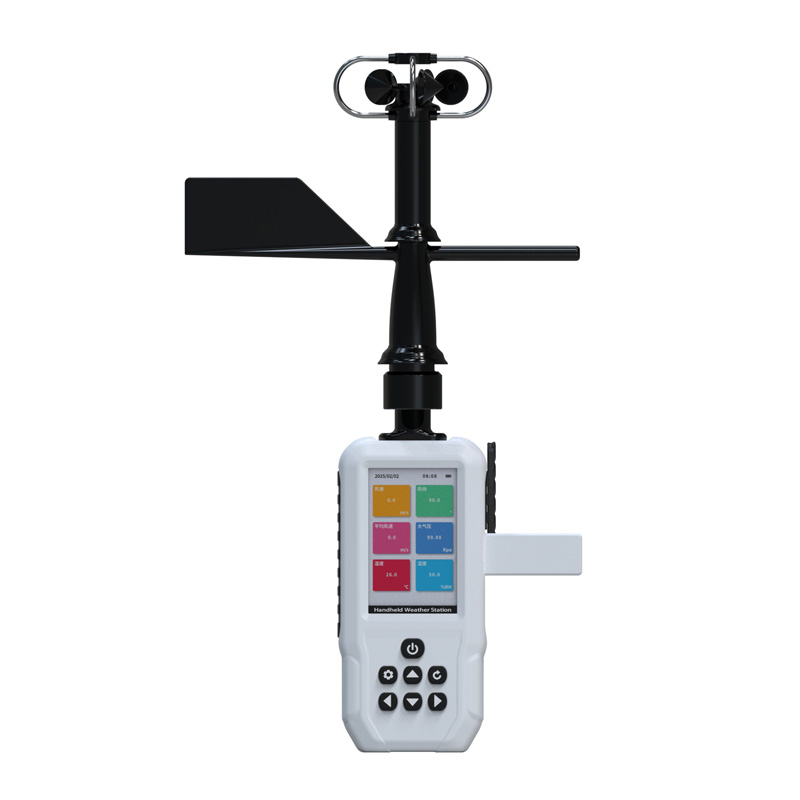
Portable Weather Station features a highly integrated design, incorporating the monitoring functions of multiple meteorological elements. Take the best-selling FT-PQX6 as an example. It is equipped with a six-element integrated sensor, which can conduct real-time and accurate observations of meteoro...


 Skype
Skype
 whatsapp
 mail
mail