Tianyi Sensor IOT Technology Co., Ltd
Sales Manager:Ms. Emily Wang
Cel,Whatsapp,Wechat:+86 15898932201
Email:info@fengtutec.com
Add:No. 155 Optoelectronic Industry Accelerator, Gaoxin District, Weifang, Shandong, China


Sales Manager:Ms. Emily Wang
Cel,Whatsapp,Wechat:+86 15898932201
Email:info@fengtutec.com
Add:No. 155 Optoelectronic Industry Accelerator, Gaoxin District, Weifang, Shandong, China
time:2026-08-13 10:11:40 source:Weather Station viewed:19 time
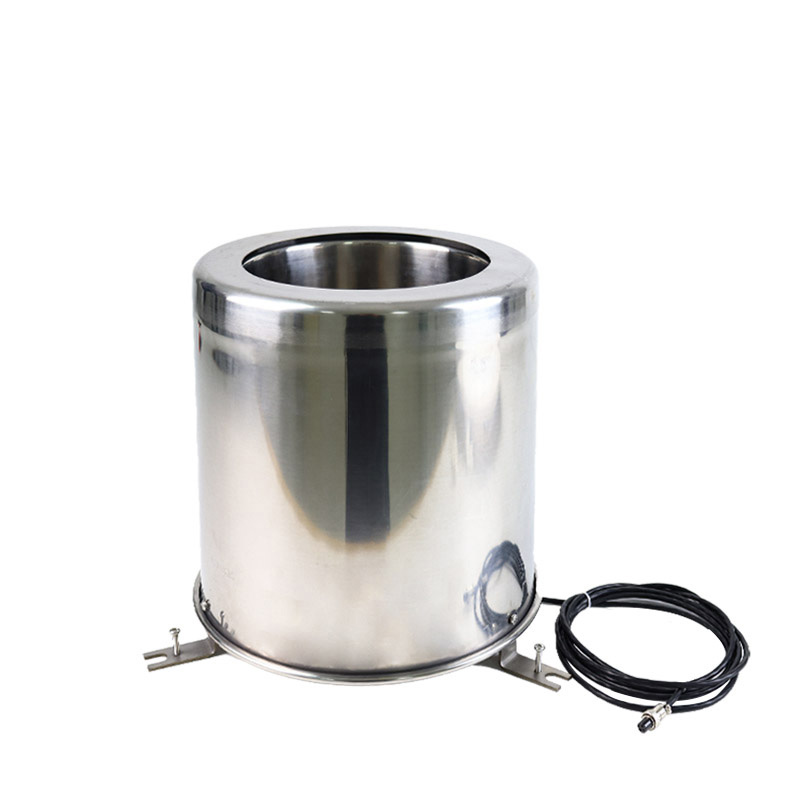
This instrument used to measure rainfall features a three-channel narrowband infrared detector and a pure sine wave signal source, resisting strong light interference. It achieves a rainfall resolution of 0.01mm and can connect to multiple external optical sensors. Its low power consumption makes it suitable for unattended rainfall monitoring in the field.
Traditional mechanical rain gauges on the market have moving parts such as tipping buckets. After prolonged outdoor storage, dust and debris easily accumulate, and wear and tear on these parts can directly interfere with rainfall measurement results. Staff need to regularly visit field sites for cleaning and maintenance, resulting in consistently high maintenance costs for dispersed monitoring points. The instrument used to measure rainfall adopts a mature infrared optical detection structure, eliminating all moving parts at the hardware level and resolving common malfunctions in older monitoring equipment.
The instrument used to measure rainfall is equipped with a three-channel narrowband infrared detector paired with a pure sine wave AC signal source. An internal narrowband filter isolates signal interference from midday sunlight and stray ambient light. Its 78 square centimeter rain-sensing surface can capture signals from even small raindrops. Raindrops scatter light as they pass through the infrared light path. The sensing component captures changes in light intensity and calculates real-time rainfall. The device has a rainfall resolution of 0.01mm, and its rainfall intensity detection range of 0-4mm per minute covers light rain to short-duration heavy rainfall. The overall measurement error is controlled within ±4%, ensuring sufficiently accurate and stable monitoring data.
The rain-sensing cover, made of highly transparent material, does not obstruct direct sunlight. The instrument used to measure rainfall body has reserved expansion space to add other optical sensors such as those for light intensity, ultraviolet radiation, and total radiation. A single device can simultaneously collect multiple meteorological parameters, reducing the number of field monitoring devices required. The entire unit employs a low-power circuit design, entering a power-saving sleep mode when there is no rainfall. With a solar power supply, it can operate for extended periods at remote, unattended observation stations.
The instrument used to measure rainfall integrates sensing, data acquisition, signal transmission, and power supply modules into one unit, requiring minimal manual maintenance after assembly and debugging. The product can be used in industries such as meteorological observation, farmland soil moisture monitoring, urban flood control, and road traffic rainfall warning, providing reliable precipitation monitoring data around the clock and reducing the post-maintenance pressure of outdoor meteorological equipment.
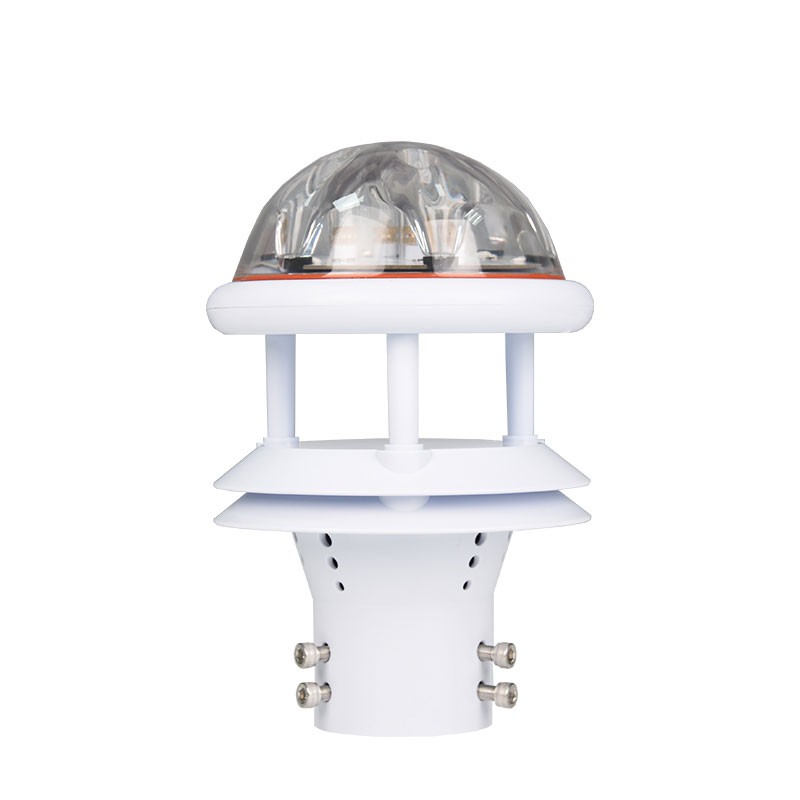
Road Weather Sensors employs the forward-scattering method to measure the air extinction coefficient and calculate visibility. It is capable of identifying five distinct phenomena—fog, rain, snow, mixed precipitation, and clear conditions—with an identification accuracy rate of ≥95%. With a...
With the arrival of the rainy season, frequent rainfall is prone to triggering geological disasters such as floods and landslides, posing a huge threat to people's lives and property safety as well as social and economic development. In order to timely grasp the rainfall situation, scientificall...
Anemometer for drones, the ultrasonic anemometer is a high - precision meteorological monitoring device designed based on the principle of ultrasonic resonance. It is specifically developed for the low - altitude environmental monitoring needs of small drones and unmanned platforms. Its core technol...
The Visibility sensor utilizes the forward-scatter method to measure the total atmospheric extinction coefficient. With a measurement range of up to 20 kilometers, it features segmented error calibration and is designed for use in road traffic management, meteorological observation, and emerge...


 Skype
Skype
 whatsapp
 mail
mail