Tianyi Sensor IOT Technology Co., Ltd
Sales Manager:Ms. Emily Wang
Cel,Whatsapp,Wechat:+86 15898932201
Email:info@fengtutec.com
Add:No. 155 Optoelectronic Industry Accelerator, Gaoxin District, Weifang, Shandong, China


Sales Manager:Ms. Emily Wang
Cel,Whatsapp,Wechat:+86 15898932201
Email:info@fengtutec.com
Add:No. 155 Optoelectronic Industry Accelerator, Gaoxin District, Weifang, Shandong, China
time:2026-08-14 11:26:54 source:Weather Station viewed:24 time
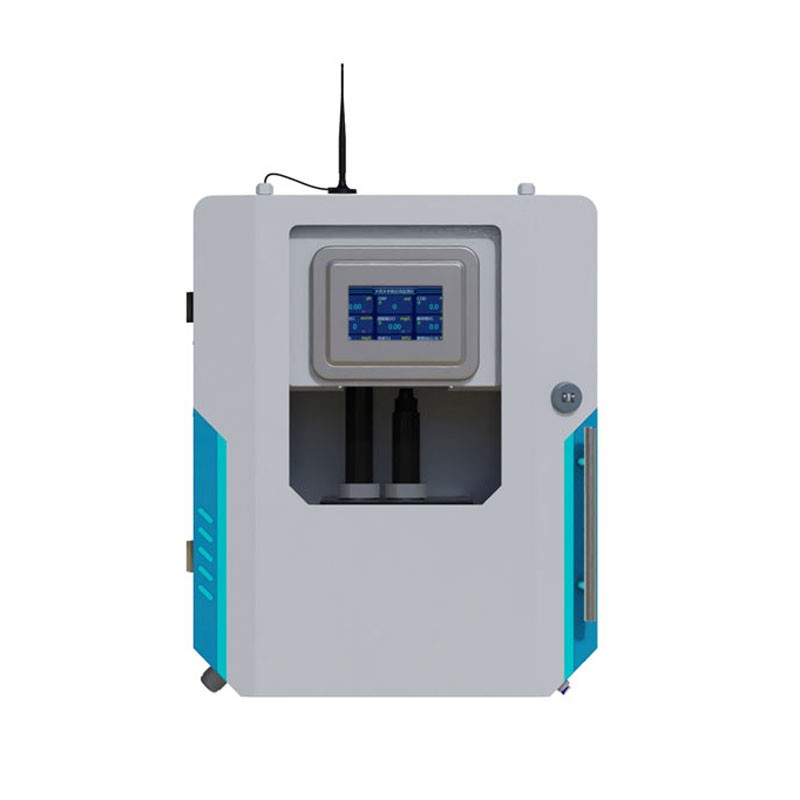
Online Turbidity Monitor utilizes IoT technology to build a micro-system for water quality monitoring, integrating flow stabilization and venting, sensing, control, and communication units. It can collect turbidity and temperature data, which can be viewed in real-time on the cloud, and is suitable for various water quality monitoring scenarios, including water supply terminals.
Online Turbidity Monitor is a micro-system for water quality monitoring built on IoT technology. The device consists of a flow stabilization and venting unit, an analysis and monitoring sensor unit, a system control unit, and a remote communication unit. It is equipped with complete power supply and network communication modules, enabling sensor data acquisition, local data display, and historical curve storage. It also supports uploading monitoring data to the cloud, allowing staff to perform real-time data observation and analysis on the cloud platform. This device is suitable for water supply terminals with a pipe pressure of 0.3 MPa and can operate stably in rural and urban water supply scenarios.
The Online Turbidity Monitor system is equipped with both temperature and turbidity sensors. Turbidity measurement utilizes the scattered light method, covering a range of 0-1000 NTU with an accuracy of ±1%. Temperature measurement ranges from 0-85℃ with an accuracy of ±0.1℃. These hardware parameters meet the accuracy requirements for daily online analysis in water supply systems. The entire system eliminates the need for frequent manual sampling, relying on hardware units to stabilize water flow and remove air bubbles, reducing data interference from air bubbles and ensuring the collected data has practical reference value.
The Online Turbidity Monitor system has a wide range of applications. It can be deployed in waterworks, water supply networks, secondary water supply stations, and individual water supply points. It can also be installed in indoor swimming pools, large-scale water purification equipment, and direct drinking water systems for water quality monitoring. In practical applications, this equipment serves water plant process control, water management, and sanitation supervision, providing continuous and reliable on-site monitoring data for these operations.
Traditional water quality testing relies heavily on manual on-site sampling and testing, resulting in data lag and difficulty in capturing instantaneous changes in water quality within the pipe network. Online Turbidity Monitor enables long-term, uninterrupted on-site monitoring, providing historical curves to fully record water quality trends. Remote communication capabilities reduce the frequency of on-site inspections, helping water management personnel to promptly grasp the water quality status at various points within the pipe network, thus providing hardware support for safe water supply management.
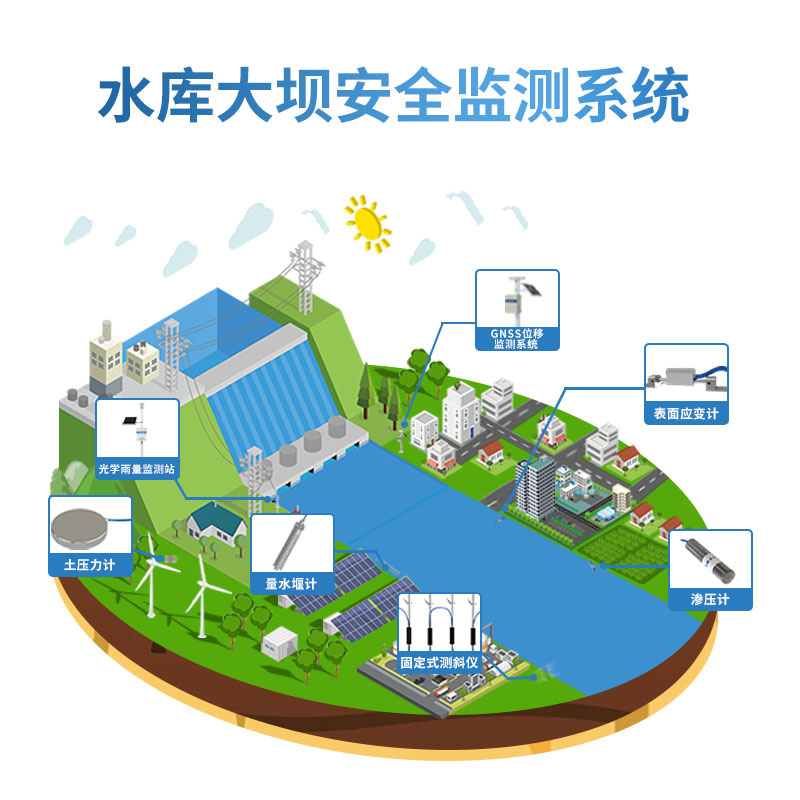
As the impacts of climate change continue to intensify, the frequency and destructive scale of flood disasters are on the rise, posing severe threats to public safety and socio-economic development. Summer is inherently a high-risk period for disasters such as floods and droughts. To further enhance...
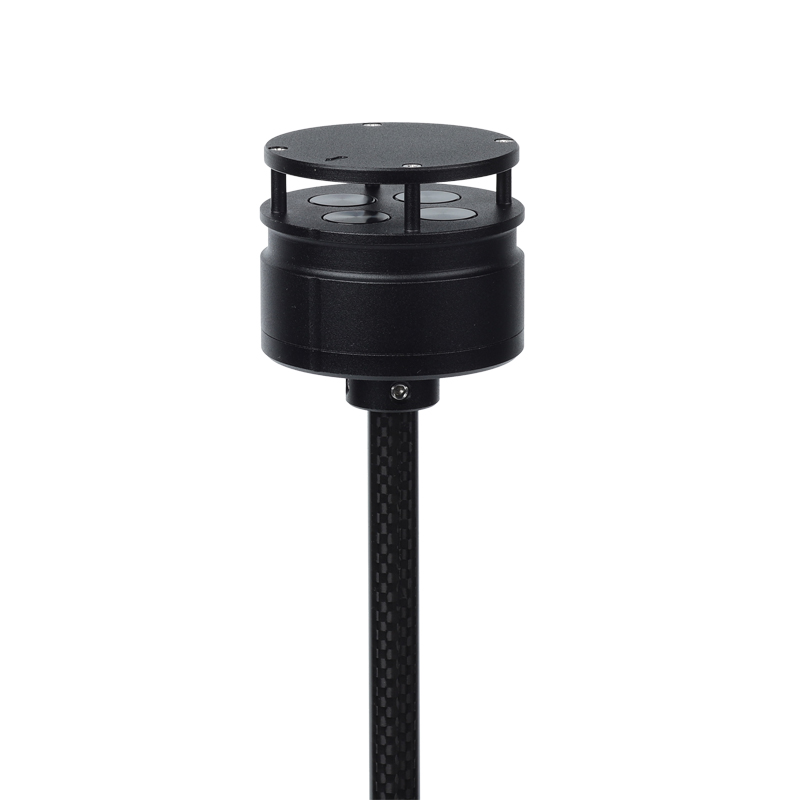
Meteorological monitoring system is a high-precision automatic meteorological observation device integrating temperature, humidity, wind speed, wind direction, and atmospheric pressure sensors. This device combines ultrasonic detection technology to achieve accurate all-weather monitoring of meteorological elements....
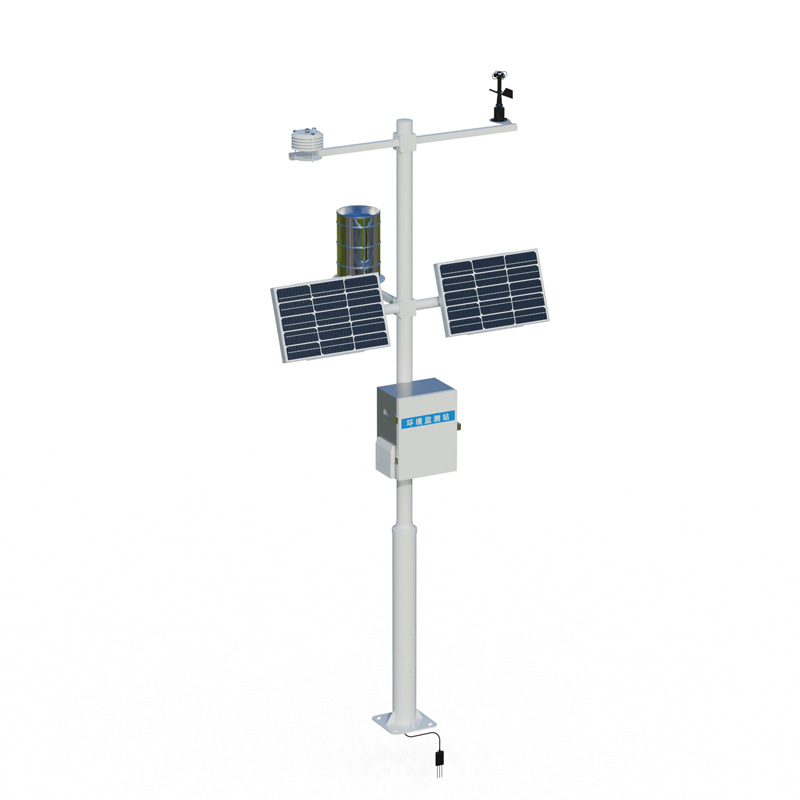
The traditional meteorological monitoring stations have limited distribution, making it difficult to comprehensively and real-timely grasp the complex and changeable meteorological conditions. However, combining drones with meteorological instruments has unexpectedly become a solution to make up for...
Negative oxygen ion monitoring stations collect real - time data on negative oxygen ion concentrations in the environment through sensors, and transmit the data to the background for processing and display via communication technologies. The core of this system lies in its precise perception of the...


 Skype
Skype
 whatsapp
 mail
mail